Biohazard Decontamination location coverage standards
Why a city name alone is not local expertise.
We have not published city pages for this specialty yet. Pages stay unpublished until they contain researched local context and useful decision support. Use the form to ask about your area.
Get an email reply about biohazard decontamination
Send a short message to the follow-up inbox. A coordinator can reply by email. This form does not send emergency help; call 911 first if anyone is in danger.
Research before reach
A location is published only when its page includes meaningful local property, access, climate, jurisdiction, or documentation considerations.
Everything for one city on one page
Planning, safety, insurance, provider questions, sources, and documentation for each city sit together on a single guide.
No invented local offices
A city guide does not claim a storefront, parked crew, guaranteed arrival, job count, rating, or credential that has not been independently verified.
Use the national service guidance
The service and article libraries explain hazard controls, documentation, insurance questions, and provider verification without pretending those requirements are identical in every jurisdiction.
Not sure where to start?
Send a short message about your situation. Your request is sent to the follow-up inbox. A coordinator can reply by email.
Your request is sent to the follow-up inbox. A coordinator can reply by email.
If anyone is hurt or in danger, call 911 first.
Why location matters for biohazard decontamination
Biohazard cleanup covers a wide range of events. It might be a blood spill in a school hallway or sewage backing up into a finished basement. Your address shapes almost every choice along the way. States draw different lines between regulated medical waste and normal trash. Some counties add their own rules for how a home or business may set out bagged material for pickup. The age of the plumbing and the sewer design affect how often sewage water reaches living space. Older city systems that mix storm water and sewage can push dirty water indoors during heavy rain. Building type matters too. A clinic, a daycare, a food plant, and a split-level home each have their own rules for use and for reopening. Warm, damp areas give bacteria and mold a head start after a spill, so drying targets become part of the local picture.
The offices that matter depend on what kind of event you face. For sewage coming in, the city water or sewer utility can tell you whether the backup started on the public side of the line. The local health department can advise on using the space and on food safety. For blood or other body fluids that can carry disease at work, the employer's safety staff set the rules for protecting workers. So does the federal or state job safety office. The state environmental agency usually oversees medical waste haulers and treatment sites. Licensed places such as schools, care homes, and restaurants may also answer to a licensing or inspection office that wants notice before reopening. When you are unsure where to start, call the county health department. Describe the material and ask which agency keeps records for that type of event.
A provider who handles one kind of biohazard well may not be set up for another. So your checks should match your event. Ask the company to describe a recent job like yours. It might have been a blood cleanup, a disinfecting job after an illness, or a sewage loss. Listen for real details about the order of steps and about drying. Ask for the names and EPA numbers of the disinfectants they plan to use. Then confirm on the label that the product covers your surfaces and the germs you are worried about. Ask which hauler will carry any regulated waste, and check that hauler's standing with your state environmental agency. If the job involves a licensed facility, ask whether the provider has worked with the inspector or licensing office before. Rules vary by state and county, so confirm each answer with the local authority. Do not rely on a directory listing.
What to verify locally
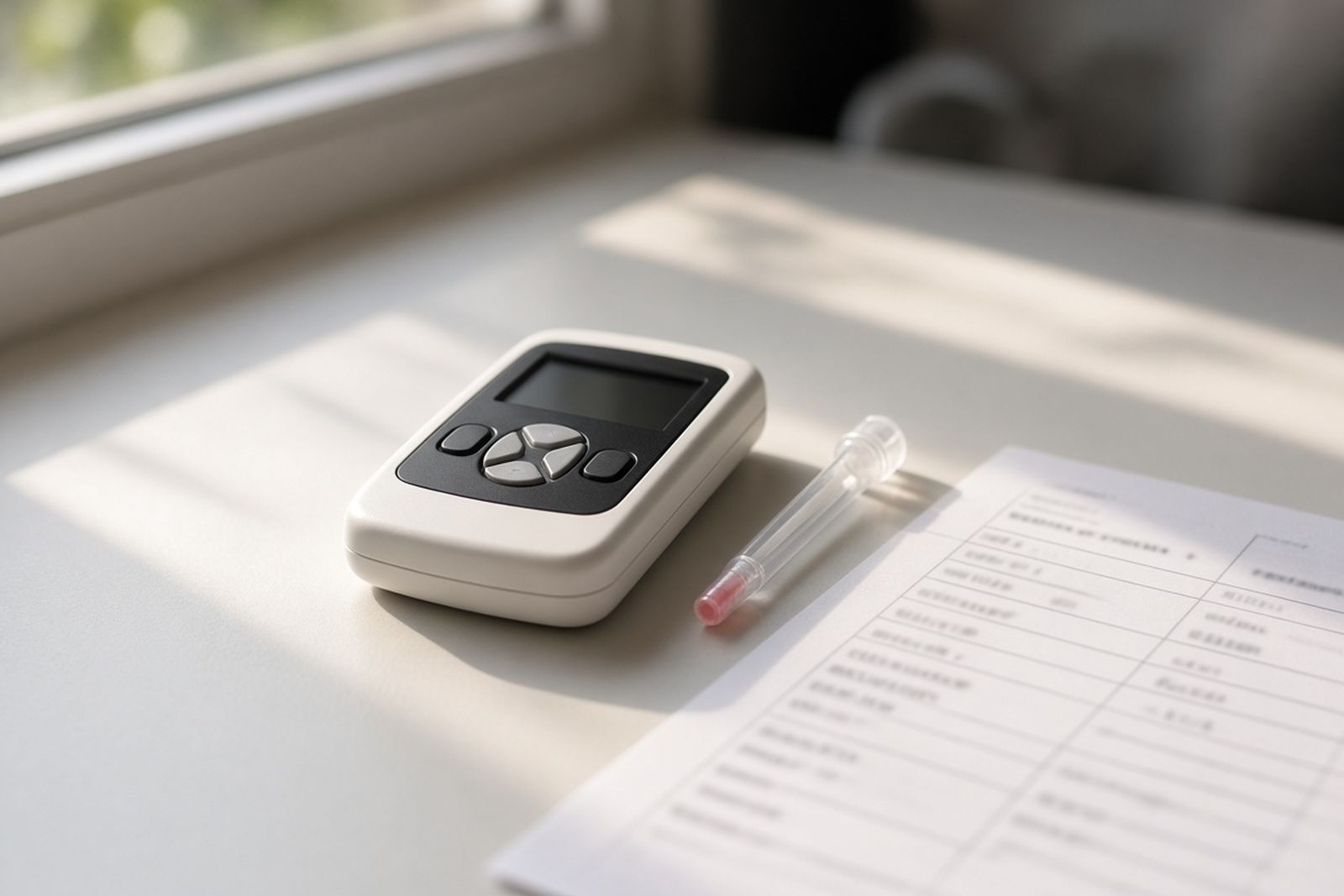
- Whether your state treats the thrown-out materials from this event as regulated medical waste, special waste, or normal trash, and who makes that call.
- The EPA number and label claims of each proposed disinfectant, checked against the germs of concern and the surfaces in your building.
- For sewage events, whether the utility or a plumber has confirmed the source is stopped before water removal and tear-out begin at your address.
- Whether a licensed place such as a school, clinic, daycare, or food business must tell an inspector before the affected area reopens.
- The moisture or drying goals the provider will use for walls and subfloors, and how readings will be recorded for your local climate.
- Which hauler will remove bagged or boxed biohazard waste, its permit status with the state environmental agency, and what disposal record you will get.
National figures for context
These are national or research figures, not data for any one city.
- 2%
BLS projects employment of hazardous materials removal workers to grow 2% from 2025 to 2035, slower than average, with a high school diploma as typical entry education.
Read with care: Projection for the broad occupation, not biohazard cleanup specifically.
Source: U.S. Bureau of Labor Statistics (2025)United States, 2025-2035 projection
- 4,000
More than 4,000 antimicrobial products containing about 275 different active ingredients are registered with EPA.
Read with care: Count includes sanitizers and sterilants beyond hospital disinfectants.
Source: U.S. Environmental Protection Agency (2024)United States, EPA-registered antimicrobial pesticide products
- 34,696
Federal OSHA conducted 34,696 inspections in fiscal year 2024 and has roughly one compliance officer for every 70,000 workers.
Read with care: Excludes inspections by state-plan agencies.
Source: OSHA (2024)United States, federal OSHA, FY2024
These figures are public research and agency data, not this network's own job records. Keep each number with its population, year and limits; none of them predicts cost, timing or outcome at a specific property.
Local questions about biohazard decontamination
Does a sewage backup in my basement count as a biohazard where I live?
In practice, sewage that reaches living space is treated as badly contaminated water. It can carry bacteria, viruses, and parasites. Whether a local rule formally calls it a biohazard depends on where you live. But the cleanup is much the same either way. Stop the source and remove the water. Tear out soft materials that soaked it up. Then clean, disinfect, and dry. Ask your county health department if it has advice for sewage events in homes. Ask your utility whether the backup began on the public side of the line.
Who should I call first if a biological spill happens at a daycare or school?
Start with the facility's own administrator and its written exposure plan, since the employer is responsible for protecting staff. Keep children and staff away from the area. If anyone touched blood or body fluids, get a medical provider involved quickly. Then ask the licensing or inspection office that oversees the facility whether it expects notice before the space reopens. A provider can manage the cleanup. But those notices usually belong to the facility's leaders, not the contractor.
Can my local trash service collect bags from a biohazard cleanup?
Sometimes yes, and sometimes no. Many states let households put small amounts of lightly soiled material in normal trash if it is bagged securely. Businesses and larger amounts often must go through a permitted medical waste path. Soaked materials, sharps, and anything from a workplace exposure usually have stricter rules. Ask your city or county trash office what it accepts. Ask your provider how it will sort each type of waste from your job before anything leaves the property.
Does climate affect how quickly biohazard decontamination should begin?
It can. In warm, humid areas, body fluids and wet building materials feed bacteria and mold sooner. So delays tend to make the job bigger. Cold areas bring other worries, such as frozen pipes that caused the loss or unheated spaces where drying machines struggle. In dry areas, fluids may dry into a residue that spreads as dust when disturbed. Ask any provider how it adjusts drying, dehumidifying, and product wet times for your area and season.
Are the rules different for a commercial kitchen than for a home?
Often they are. Food businesses usually answer to a local health inspector. The inspector may have rules about which surfaces must be cleaned and sanitized, what food must be thrown out, and when service can start again. Disinfectants used on surfaces that touch food also need label directions that allow that use. That may include a rinse step. Contact your health department's food program before reopening. Share the provider's product list and work plan with the inspector if asked.
How can I tell whether my building's shared plumbing spread contamination to other units?
In condos, apartments, and mixed-use buildings, one blocked drain stack can push sewage into more than one unit or into shared storage areas. Ask the property manager or association whether other units reported water at the same time. Ask the plumber where the blockage was. The provider should check nearby spaces, lower floors, and common areas, not only the unit that called. Who is responsible for shared lines often depends on the building's governing papers and local rules. So ask before assuming who pays.
What should I ask a provider coming from outside my area?
Ask how it will meet the waste rules where your property is. Ask which local hauler or disposal site it will use, and whether it has worked with your health department or facility inspector before. Ask how long machines such as dehumidifiers will stay on site, and who will check readings if the crew is based far away. A provider from far away can still do good work. But the plan should show clear local arrangements, not vague promises.
More on biohazard decontamination
Biohazard Decontamination services
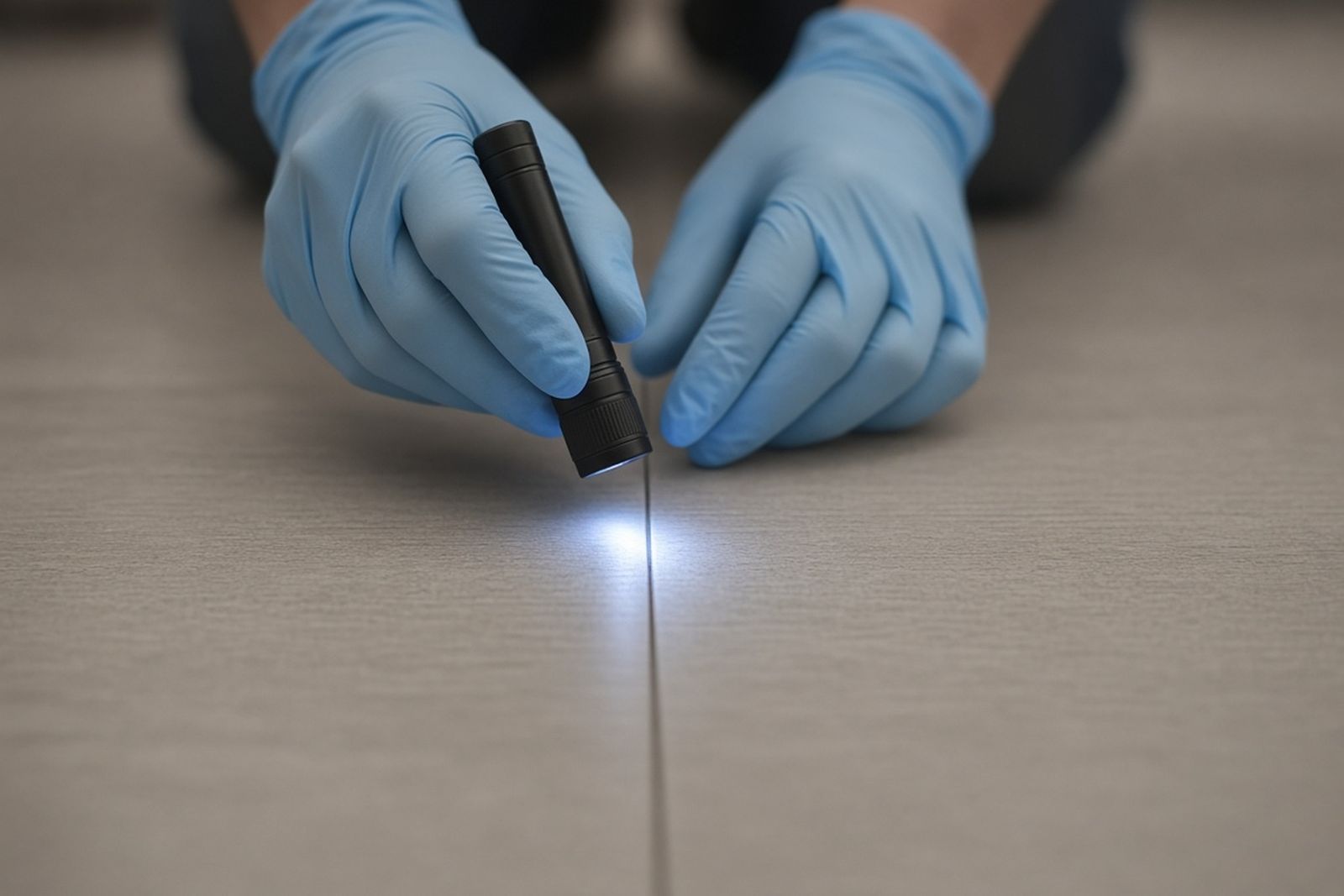
Learn how pro cleanup handles blood, body fluids, and germs in homes, workplaces, and schools. See each step, from the first visit to checked disinfecting and recorded waste removal.
Costs explained
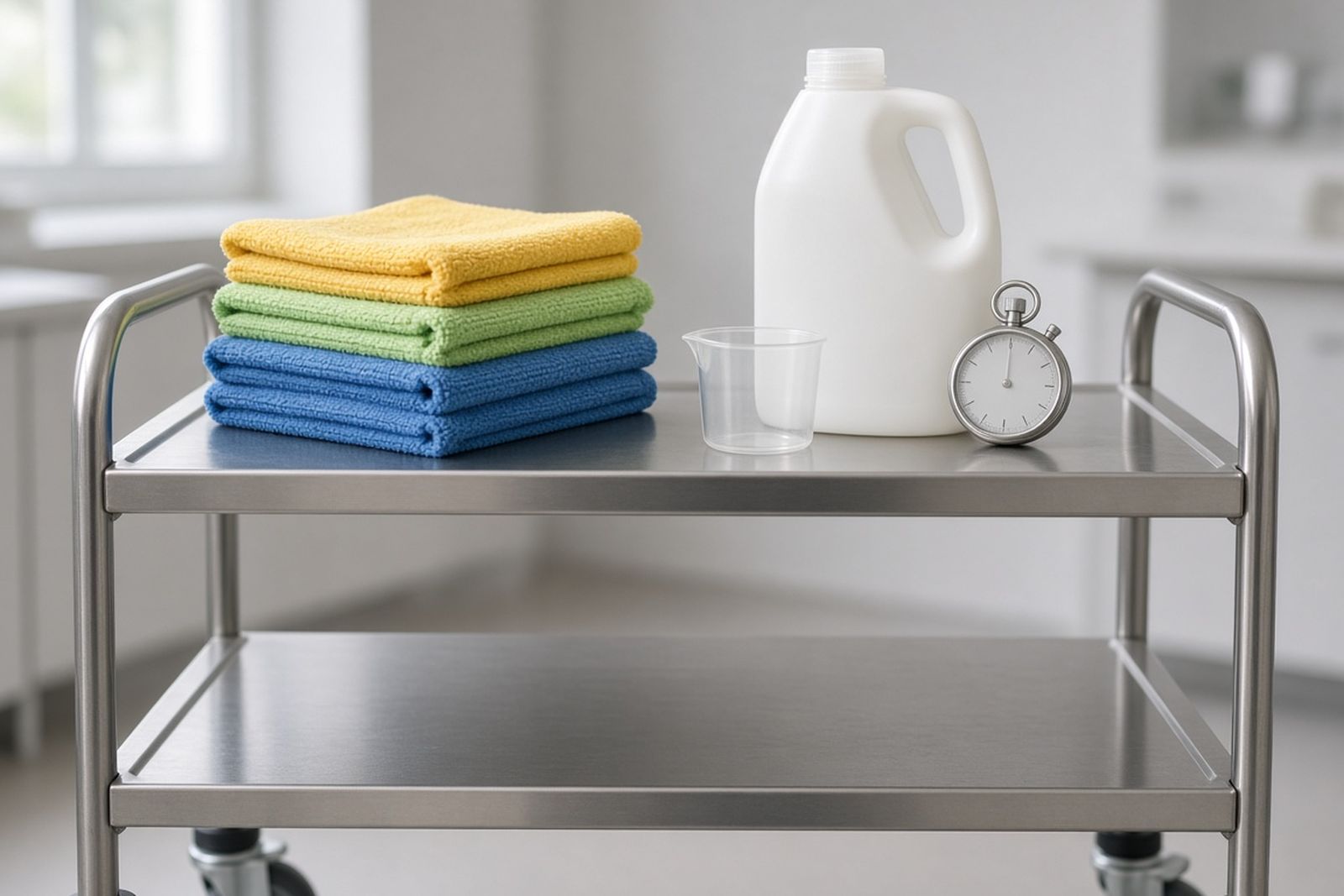
What drives the price, published cost ranges, and how to read a written quote line by line.
Insurance and payment
Which policies may respond, how to document a claim, and what to do if coverage is denied.
Planning tools
Use checklists and planners that help you judge the hazard, plan the first day, sort waste types, and get ready to talk with providers and insurers.
Community polls
See how other owners and managers made choices about body-fluid messes. Compare their instincts with the sourced advice elsewhere on the site.
Knowledge quiz
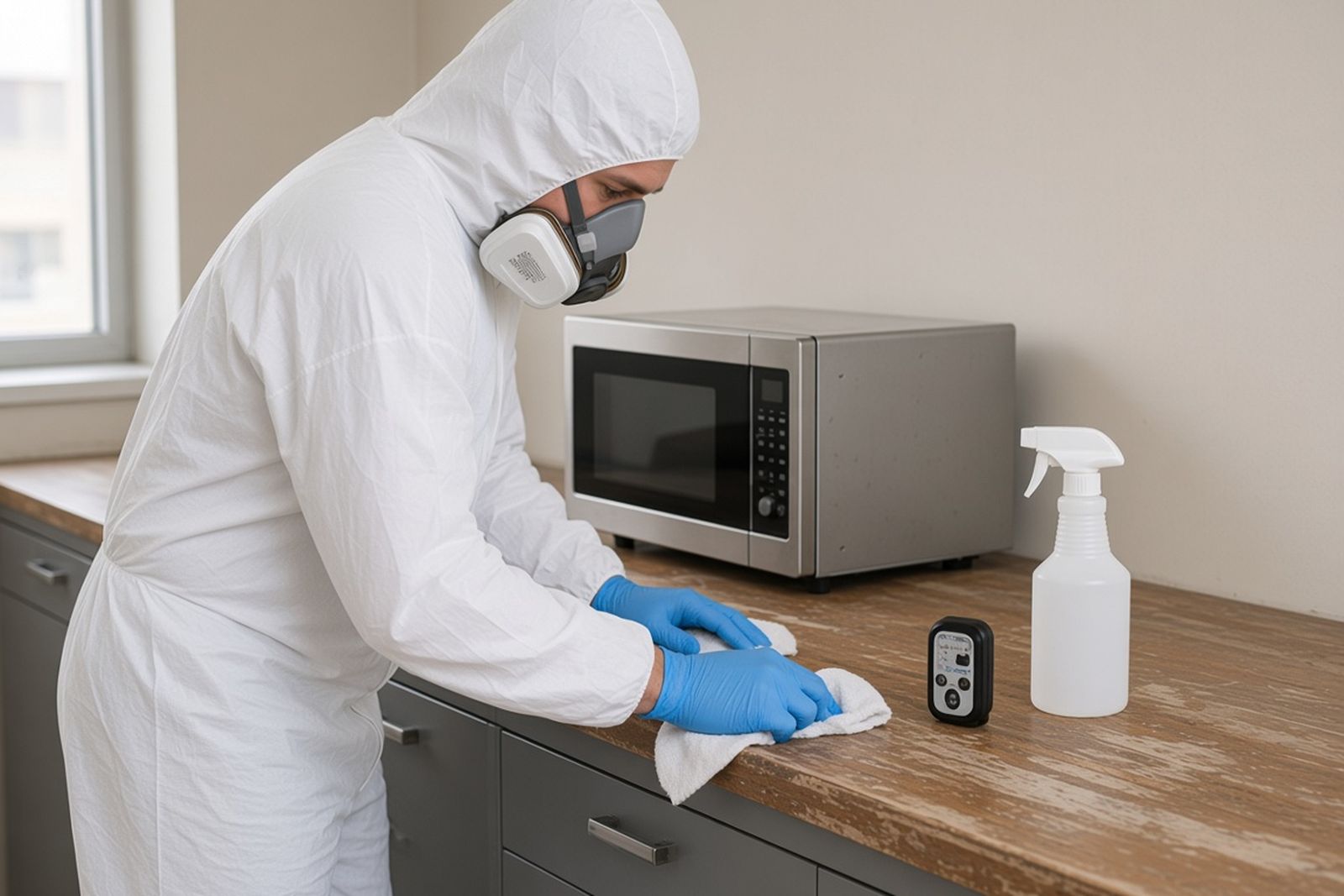
Test what you know about spotting hazards, scene release, containing a mess, disinfecting, waste, and records. A short quiz and study guide explain each idea.
Articles and resources
Read articles on new disinfectant advice, workplace exposure planning, and lessons from real cleanup cases in homes and businesses.