Biohazard Decontamination articles and resources
Deeper reads on scope, safety, insurance and hiring, written for property owners.
Read articles on new disinfectant advice, workplace exposure planning, and lessons from real cleanup cases in homes and businesses.
Get an email reply about biohazard decontamination
Send a short message to the follow-up inbox. A coordinator can reply by email. This form does not send emergency help; call 911 first if anyone is in danger.
Browse biohazard decontamination articles

Evidence-led educational articles about biohazard decontamination. Stay informed about safety standards, best practices, and what to expect from professional remediation.
What to Expect During Professional Biohazard Decontamination
From hazard identification to disinfectant dwell time and waste manifests, here is how a professional biohazard decontamination visit usuall...
The Science Behind Biohazard Decontamination
Why cleaning comes before disinfecting, how contact time and soil load decide results, and what dried blood teaches about pathogen survival ...
How Long Does Biohazard Decontamination Take?
Scene size, porous materials, contact time, waste pickup and verification all shape how long biohazard decontamination takes. Here is how to...
How to Evaluate Equipment Proposed for Biohazard Decontamination
Respirators, fluid-resistant suits, List S disinfectants, HEPA units, foggers and ATP meters: how to judge whether proposed biohazard equipm...
DIY vs Professional Biohazard Decontamination: The Critical Differences
When a small blood spill is safe to handle at home, when it is not, and the real gaps between DIY and professional biohazard work in gear, m...
10 Biohazard Decontamination Safety Risks to Assess Before Work Begins
Bloodborne pathogens, hidden sharps, chemical fumes, saturated subfloors and heat stress: ten biohazard decontamination risks to size up bef...
OSHA Regulations and Biohazard Decontamination
Which OSHA standards shape biohazard decontamination work, what a compliant crew should show you, and why worker rules still matter to prope...
PPE Planning for Biohazard Decontamination: Start With the Hazard Assessment
Why PPE for biohazard decontamination starts with a written hazard assessment, how crews match gloves, suits and respirators to fluids, and ...
What Drives Biohazard Decontamination Cost?
Soil load, porous materials, disinfectant contact time and regulated waste all move the price of biohazard decontamination. Learn how to rea...
Does Homeowners Insurance Cover Biohazard Decontamination?
Blood, sewage backups and infectious soils raise different insurance questions. Learn how the cause of loss shapes a biohazard decontaminati...
How to Compare Low and High Biohazard Decontamination Bids
How to line up low and high biohazard decontamination bids by scope, disinfectant, waste handling, verification and insurance so you compare...
Which Federal, State, and Local Rules Apply to Biohazard Decontamination?
A step-by-step guide to the federal, state and local rules behind biohazard cleanup. It covers worker safety, disinfectants, medical waste a...
How to Research Waste Rules for Biohazard Decontamination
A step-by-step way to research the waste rules behind biohazard decontamination: federal context, state medical waste programs, transporters...
10 Questions to Ask Before Hiring a Biohazard Decontamination Company
Ask about bloodborne pathogen training, labeled disinfectants, porous-material decisions and waste records before you hire a biohazard decon...
Red Flags When Hiring Biohazard Decontamination Services
Vague disinfectant claims, no bloodborne pathogen training, no waste manifest, pressure to sign: warning signs to catch before a biohazard c...
Training, Documentation, and Credentials for Biohazard Decontamination
What bloodborne pathogen training, exposure control plans, waste permits and job records really tell you about a biohazard decontamination c...
Managing Stress and Disruption During Biohazard Decontamination
Fear of infection, a sealed-off room, strangers in protective suits: practical ways to manage the stress and disruption of a biohazard decon...
How Biohazard Decontamination Practice Has Changed
From bleach and mops to treating all blood as risky, official disinfectant lists and pandemic-era questions: how biohazard cleanup has chang...
The Difference Between Cleaning and Disinfection in Biohazard Decontamination
Cleaning removes blood and soil; disinfection kills what remains. Why biohazard decontamination needs both, in order, with the right product...
Biohazard Decontamination for Property Managers: What You Need to Know
A property manager's guide to blood and body-fluid events: securing units, tenant notices, vendor scopes, disinfectant records and closeout ...
When ATP Testing Helps—and When It Does Not—in Biohazard Decontamination
ATP swabs measure leftover organic soil, not germs. Learn where they help after blood or body-fluid cleanup and where the numbers can mislea...
Biohazard Decontamination Planning Example: Building a Defensible Scope
A step-by-step, fictional planning walkthrough showing how a biohazard decontamination scope is built, challenged and documented from first ...
Urgent Biohazard Decontamination: What to Do Before a Provider Arrives
Found blood, sewage or bodily fluids and waiting on help? Here is how to protect people, isolate the area and preserve records before a crew...
Commercial vs Residential Biohazard Decontamination
How blood and fluid decontamination differs in a home versus an office, store or clinic: who is responsible, how work is scheduled and what ...
Environmental Responsibility in Biohazard Decontamination
How a biohazard decontamination job can limit chemical use, landfill waste and runoff without cutting corners on blood and body-fluid safety...
How to Evaluate Technology Used in Biohazard Decontamination
UV-C robots, electrostatic sprayers, foggers, ATP meters and more: a practical way to judge which technologies actually help a biohazard dec...
Mental Health Resources During Biohazard Decontamination
Finding blood or body fluids at home or work can shake anyone. Here is how to protect your mental health while biohazard decontamination is ...
When Enzymes or Microbial Products Fit Biohazard Decontamination
Enzyme cleaners and microbial products can lift blood and odor residue, but they are not disinfectants. Learn where they fit in biohazard de...
How to Compare Local and National Biohazard Decontamination Providers
Independent local crew or national brand? How to compare biohazard decontamination providers on response, training, disinfectant records and...
Questions about biohazard decontamination?
If the articles did not answer your question, send a short message and a coordinator will reply by email.
Your request is sent to the follow-up inbox. A coordinator can reply by email.
If anyone is hurt or in danger, call 911 first.
Biohazard Decontamination figures our articles draw on
- 98.1%
Manual wiping met the study's disinfection-success criterion on 98.1% of surfaces versus 75.5% for UV-C.
Read with care: Specific device, protocol and success criterion; no patient infection endpoint.
Source: Knobling et al. (2023)Naturally contaminated surfaces in a comparative field test.
- 81%
81% reported bleach use on high-touch surfaces in contact-isolation rooms.
Read with care: 47 of 273 contacted participated; practices were reported rather than observed.
Source: Han et al. (2021)47 US hospital environmental-services respondents across 26 states; 2019 survey.
- 8
Products above pH 8 accounted for 74% of failures in the experiment.
Read with care: Accelerated test conditions; not a failure rate for installed equipment.
Source: Jennings et al. (2024)Eight wipe formulations tested on healthcare plastics under fixed strain for seven days.
These figures are public research and agency data, not this network's own job records. Keep each number with its population, year and limits; none of them predicts cost, timing or outcome at a specific property.
How to use these articles
Where should I start if I have just discovered a contamination?
Begin with the article on what to do first in an urgent situation. Then use the First 24 Hours Planner to organize your next steps. Those two focus on keeping people safe, stopping the spread, and gathering facts. Once things are under control, move on to articles about choosing a provider, costs, and what to expect during the work.
Which articles help most when I am comparing providers?
Read the articles on questions to ask before hiring, red flags, comparing bids, and why credentials matter. Together they cover what to ask, what answers to expect, and how to line up competing work plans. Pair them with the provider vetting checklist. It turns those ideas into a list you can fill in during calls.
How do the articles relate to the tools on this site?
The articles explain the reasons behind choices. The tools help you apply those reasons to your own situation. For example, the cost articles explain what drives price, and the cost estimator lets you try different cases. Reading an article first often makes the related tool easier to use and its results easier to understand.
Can these articles replace advice from a professional?
No. They are meant to help you understand the work, ask better questions, and make informed choices. But they cannot assess your property. Every situation has details that a provider, doctor, insurer, or local agency needs to look at directly. Use the articles to prepare. Then rely on qualified people for choices that affect health, safety, or legal duties.
How are the articles organized?
Articles are grouped into topics. These include process and what to expect, safety, regulations, costs and insurance, choosing a company, health and wellness, education, and industry insights. Each topic page gathers related articles and answers common questions. If you are not sure where to look, start with the topic closest to your most pressing worry.
Which articles should I read if I am worried about paying for cleanup?
Start with the articles on cost factors and homeowners insurance coverage. Then read the one on comparing bids. They explain what drives the price, how insurers usually view these events, and how to tell whether two quotes cover the same work. The insurance claim organizer can then help you keep your records in order.
Are there articles for people who manage workplaces or rental properties?
Yes. The property manager article covers who can enter, how to talk with tenants, and final records. The articles on commercial versus home jobs and workplace safety rules explain employer duties and working with staff. They are useful for building managers, landlords, and anyone in charge of a shared building. They also pair well with the provider vetting checklist when you are building a list of vendors ahead of time.
More on biohazard decontamination
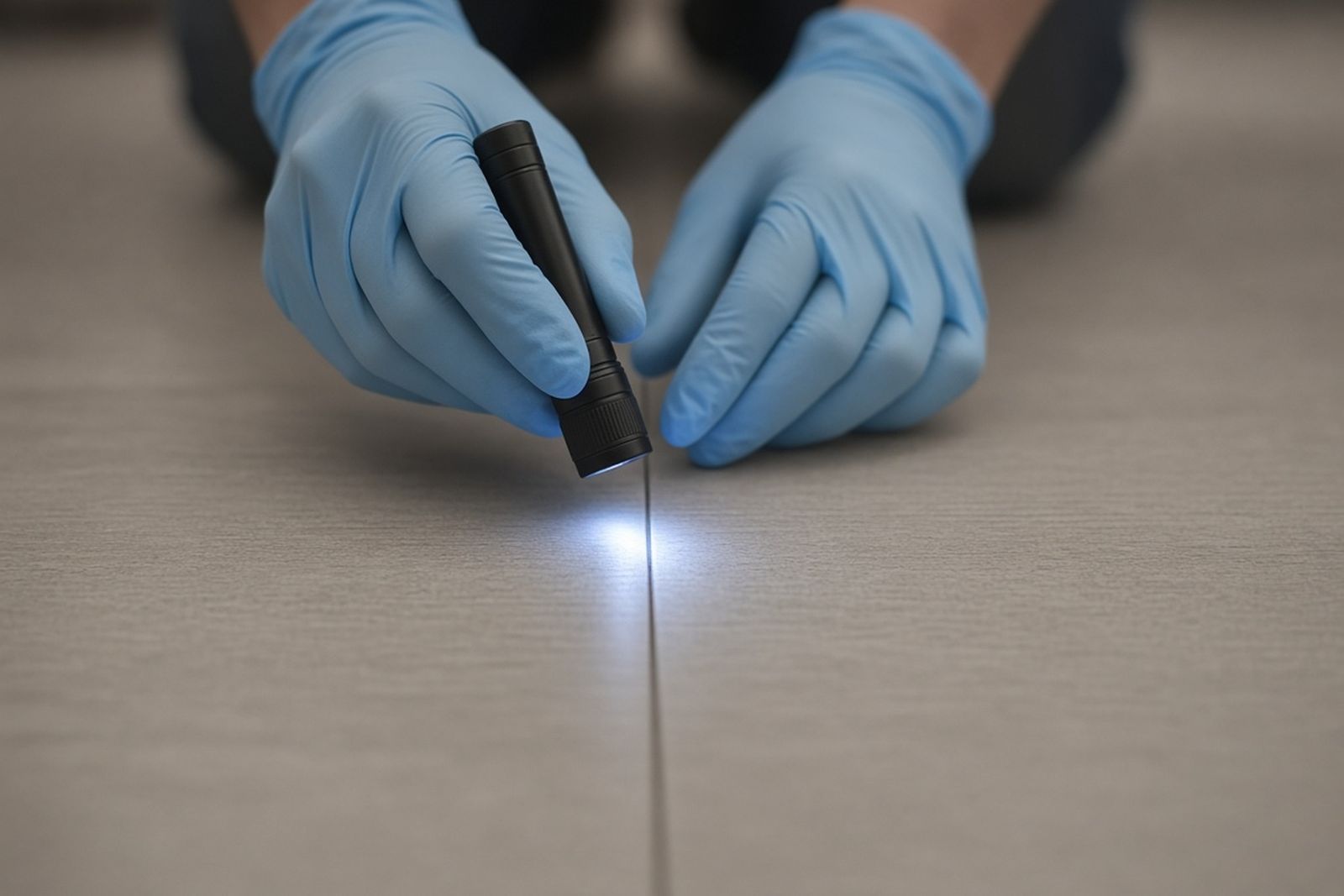
Biohazard Decontamination services
Learn how pro cleanup handles blood, body fluids, and germs in homes, workplaces, and schools. See each step, from the first visit to checked disinfecting and recorded waste removal.
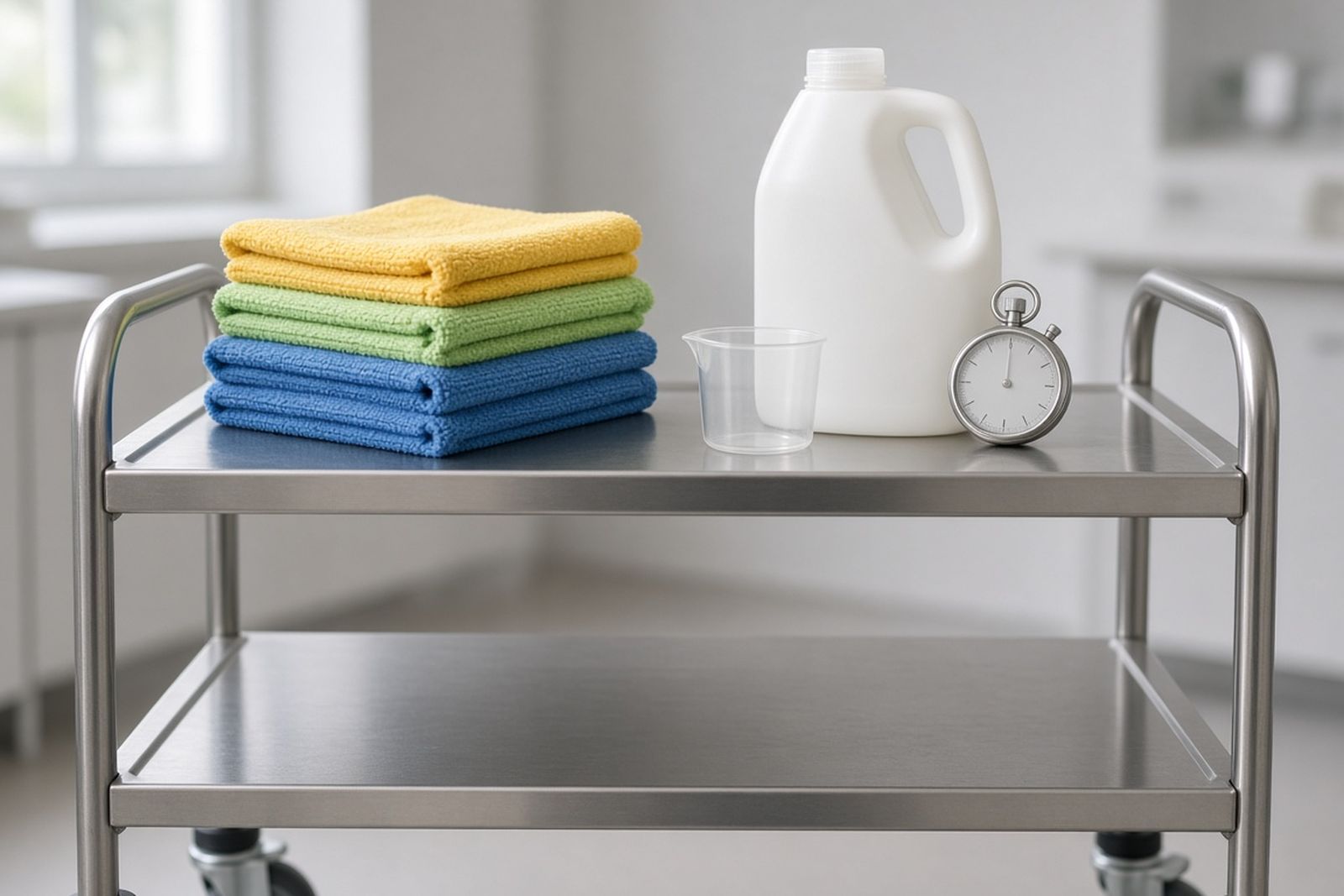
Costs explained
What drives the price, published cost ranges, and how to read a written quote line by line.
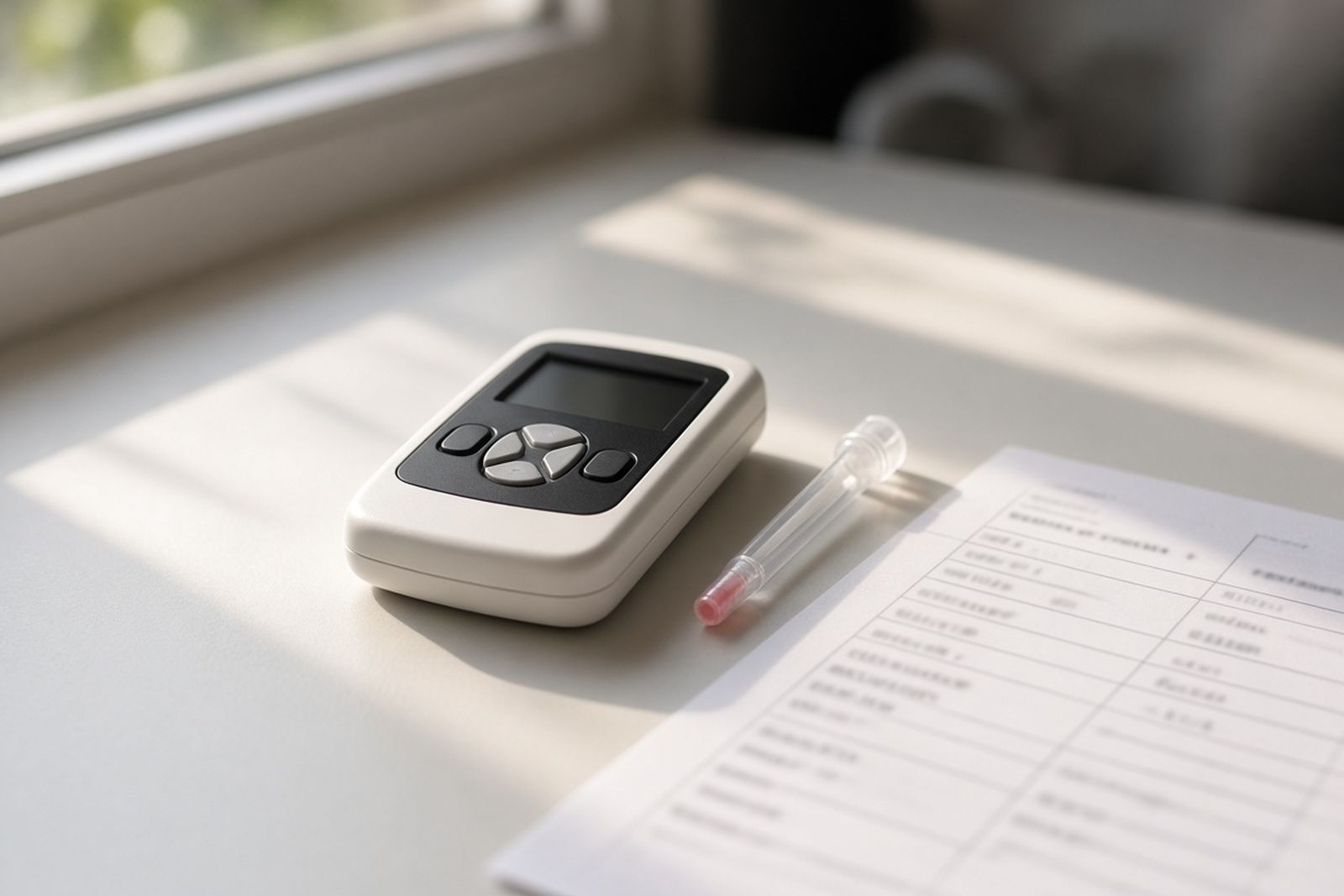
Insurance and payment
Which policies may respond, how to document a claim, and what to do if coverage is denied.
Planning tools
Use checklists and planners that help you judge the hazard, plan the first day, sort waste types, and get ready to talk with providers and insurers.
Community polls
See how other owners and managers made choices about body-fluid messes. Compare their instincts with the sourced advice elsewhere on the site.
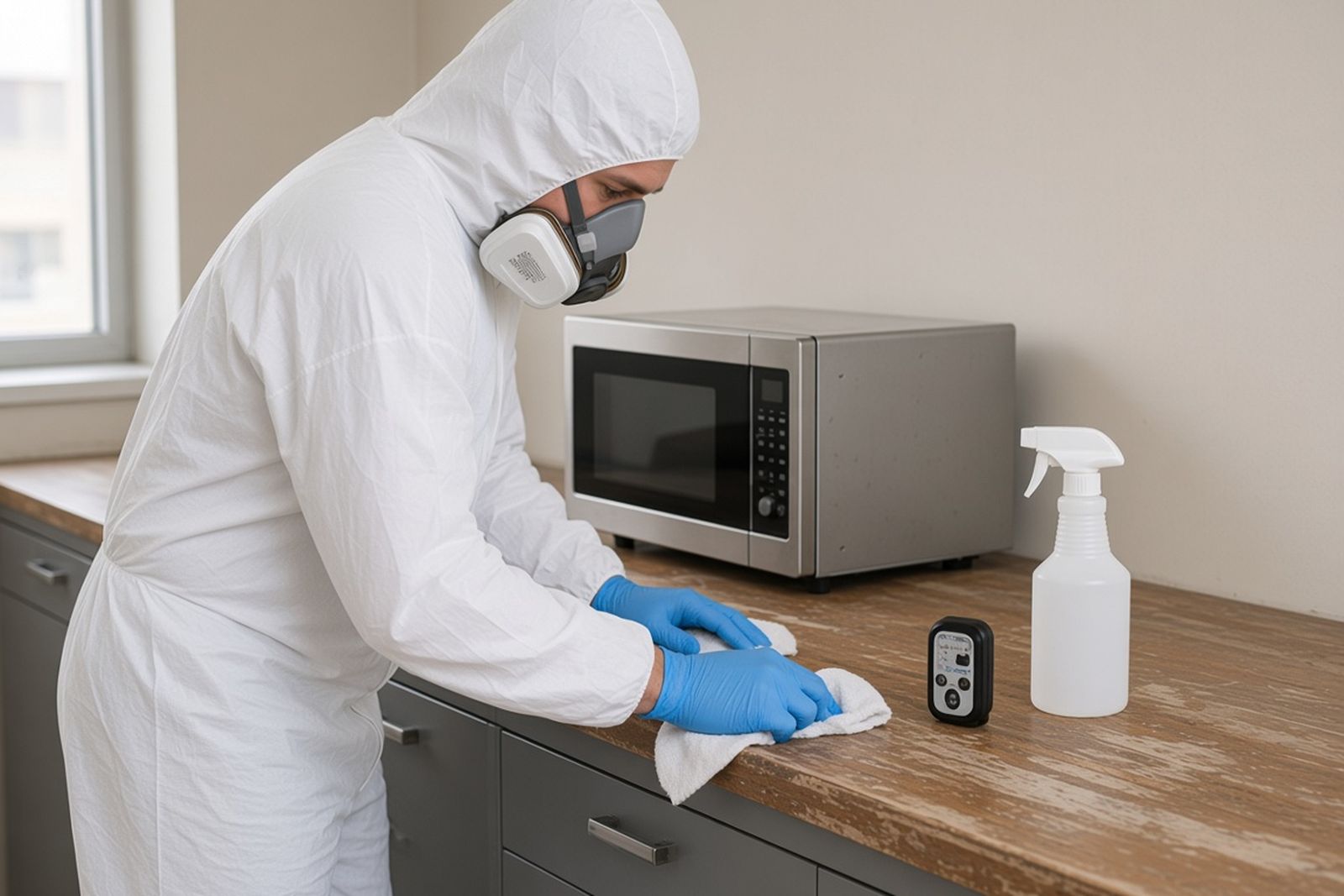
Knowledge quiz
Test what you know about spotting hazards, scene release, containing a mess, disinfecting, waste, and records. A short quiz and study guide explain each idea.