Here are the four main kinds of biohazard work, explained in plain language. Each entry says who it fits, what the crew does, and what you should have in hand when they finish.
Get an email reply about biohazard decontamination
Send a short message to the follow-up inbox. A coordinator can reply by email. This form does not send emergency help; call 911 first if anyone is in danger.
Matching the service to the problem
Many cleanup calls start with a vague feeling that something is dirty and unsafe. Naming the source helps a company send the right people and supplies. Blood from an injury, a virus moving through a staff room, a machine accident, and a drain backup each need their own tools and waste plan.
Some events mix these. A sewage leak can soak into a room where someone also cut themselves, and a factory injury can happen near oils or chemicals. Tell the company everything you know when you call, even details that seem minor, so they can plan for it.
The services, one by one
Bloodborne Pathogen Decontamination
Who it is for: Homes, offices, stores, and vehicles where blood or other body fluids landed after an injury, a fall, or a medical emergency.
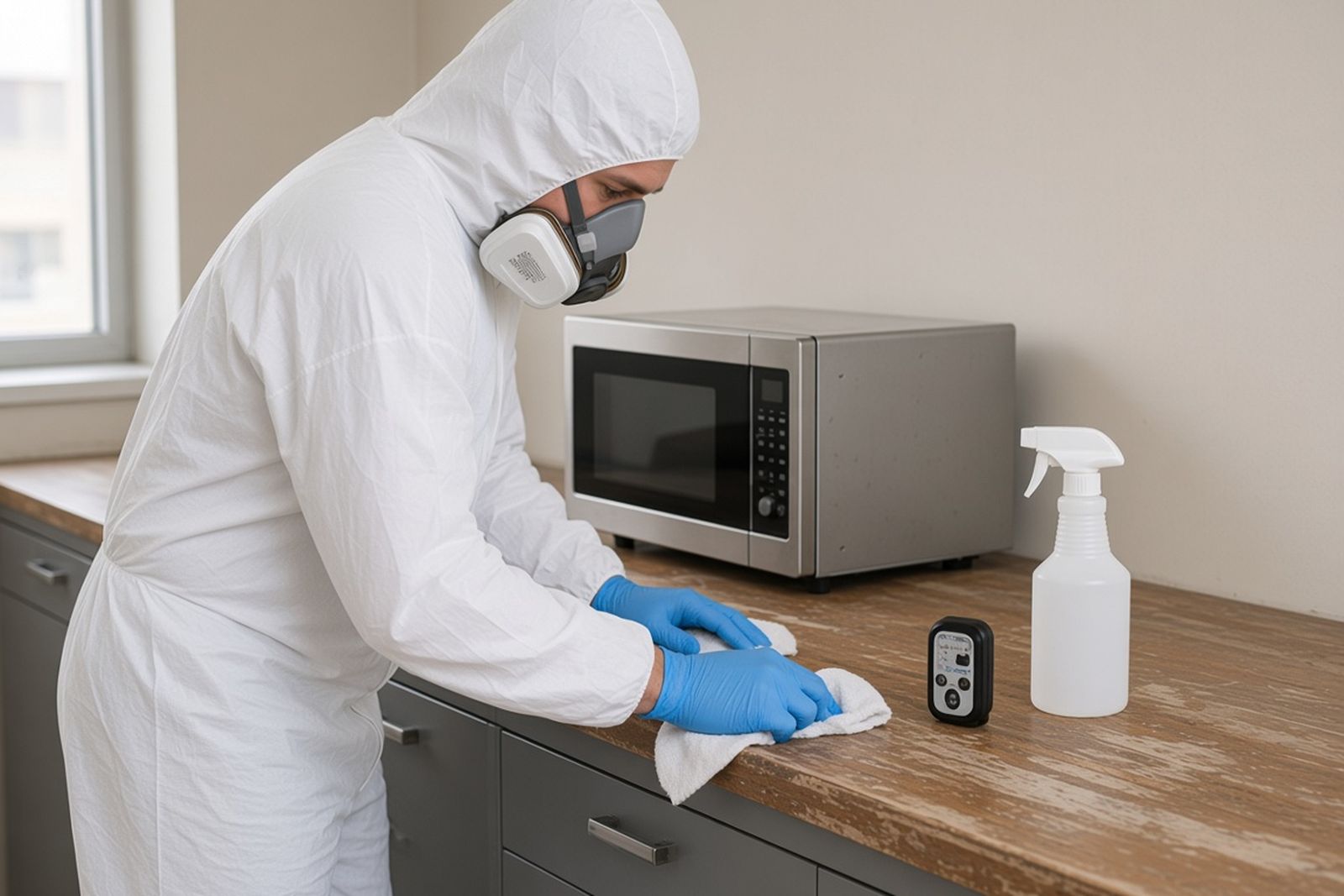
The crew finds every spot the blood reached, including under rugs, behind trim, and inside seat cushions. Soaked items are bagged and removed. Hard surfaces are cleaned first and then treated with a germ-killer that stays wet for its full label time. Workers wear gear that keeps fluids off skin, eyes, and mouth.
What you should get: A list of what was removed, the name of the product used, photos, and a record showing where the waste went.
Viral & Bacterial Decontamination
Who it is for: Schools, gyms, care homes, offices, and homes after a contagious illness like a stomach virus or a skin infection spread among people.
The crew maps the surfaces people touch most, such as door handles, rails, faucets, and shared keyboards. Dirt comes off first so the disinfectant can work. Each surface gets a product whose label lists the germ of concern. Misting machines may be used after wiping, but never in place of it.
What you should get: A written note of which rooms and surfaces were treated, the product used, and when people can safely return.
Industrial Biohazard Cleanup
Who it is for: Plants, warehouses, and shops where a worker was injured and blood reached machines, tools, or walkways.
Before entering, the crew works with the site safety lead to shut down and lock out equipment. Blood is cleaned from floors, guards, and tool handles while keeping it apart from any oils or chemicals nearby. Tools used in the cleanup are cleaned or bagged. The site and crew agree on what must be true before the line restarts.
What you should get: Photos and a record of the work that can go into the incident file, plus waste records.
Sewage & Black Water Remediation
Who it is for: Homes and buildings where a toilet, sewer line, or floor drain backed up, or where flood water carried sewage inside.
After a plumber stops the source, the crew pumps out standing water and checks how far moisture spread into walls and floors. Carpet, pad, and lower drywall touched by sewage usually come out. Remaining surfaces are cleaned and disinfected. Fans and dryers run until readings show the building is dry.
What you should get: Moisture readings from start to finish, photos, and a list of removed materials for your insurer.
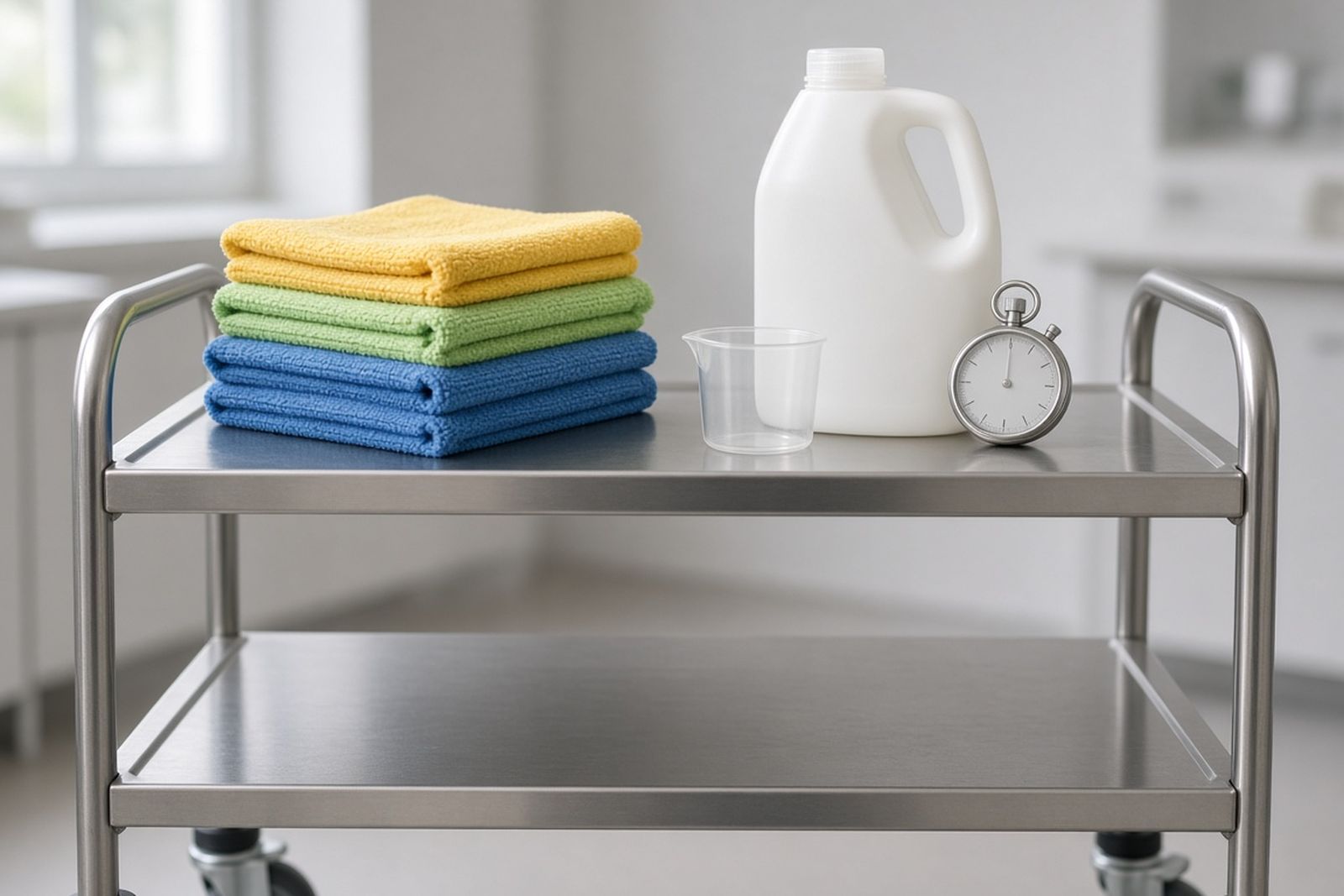
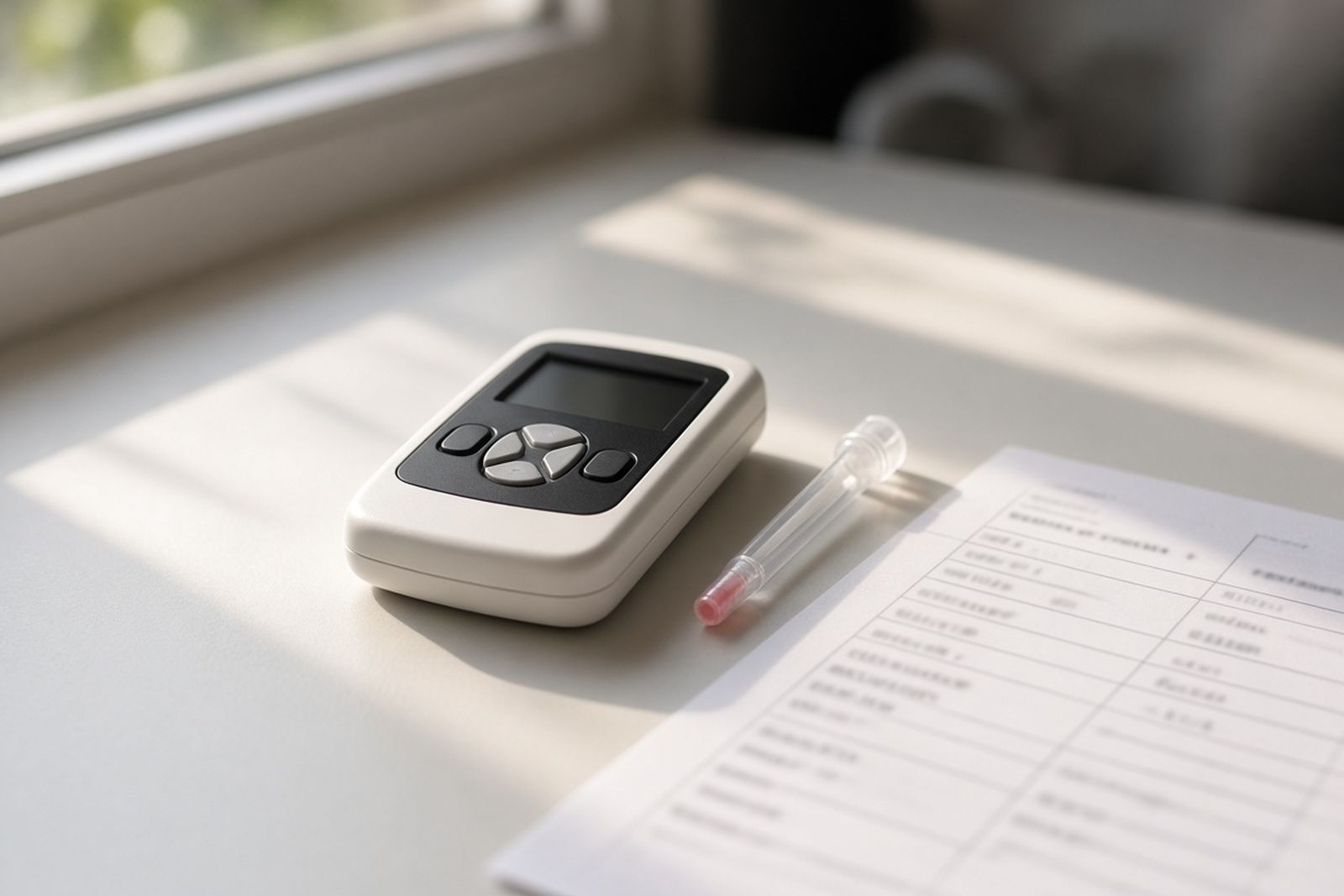
Illustrative photo, not a job record. Color-coded microfiber cloths, a disinfectant jug, a measuring cup and a stopwatch on a steel cart.Illustrative photo, not a job record. Handheld ATP meter beside a swab tube and a printed log sheet on a clean counter.
Biohazard Decontamination in numbers
11
Eight of 11 interviewees were unaware of asthma risk associated with cleaning work.
Read with care: Small voluntary sample; no causal inference; survey item nonresponse substantial.
Source: Wilson et al. (2023)59 Arizona survey respondents and 11 interviewees from maid services and a school district.
70.8%
70.8% favoured combining methods for cleaning and disinfection.
Read with care: Reported knowledge and practices, not observed compliance or infection outcomes.
Source: Centeleghe et al. (2024)137 healthcare-professional respondents; convenience/purposive online sample across the pandemic.
8
Products above pH 8 accounted for 74% of failures in the experiment.
Read with care: Accelerated test conditions; not a failure rate for installed equipment.
Source: Jennings et al. (2024)Eight wipe formulations tested on healthcare plastics under fixed strain for seven days.
98.1%
Manual wiping met the study's disinfection-success criterion on 98.1% of surfaces versus 75.5% for UV-C.
Read with care: Specific device, protocol and success criterion; no patient infection endpoint.
Source: Knobling et al. (2023)Naturally contaminated surfaces in a comparative field test.
These figures are public research and agency data, not this network's own job records. Keep each number with its population, year and limits; none of them predicts cost, timing or outcome at a specific property.
What these services do not cover
Fixing the broken pipe or sewer line. A plumber handles that.
Putting back drywall, flooring, or cabinets after removal. A general contractor does the rebuild.
Medical care for people exposed to blood or sewage. See a doctor, urgent care, or your workplace clinic.
Mold growth that shows up long after a leak with no sewage involved. A mold specialist handles that work.
Deciding who is at fault for a spill or injury. Your insurer, employer, or a lawyer can help with that.
When the crew is done
Expect bare spots where materials were removed. Walls may be open at the bottom, and floors may be down to concrete or wood. A faint cleaning smell for a day or two is normal. A sour or musty smell that grows is not, and you should call the company back. Hold off on painting or new flooring until everything is fully dry.
File the photos, product names, moisture readings, and waste records with your insurance papers. If people were exposed, keep notes on any doctor visits. A sewage flood or a workplace injury can leave people shaken, so check in with family members or staff, and point them to your employee assistance program if you have one.
Findings from published studies of people and properties in situations like this one. They describe what researchers observed in a specific group; they are not predictions for your case.
Surface nicotine remained high during the first month despite improved air quality.
Every count is a real visitor vote; nothing is seeded or padded. One vote per poll per device, and you can change your answer.
Your experience
When you found a biohazard mess, what was your first instinct?
No visitor votes yet
Safety
What would most likely make you hire a provider instead of cleaning up yourself?
No visitor votes yet
Cost
What part of the cost of pro cleanup surprised you most?
No visitor votes yet
Before you hire: biohazard decontamination questions
Can the same company handle blood cleanup and sewage cleanup?▼
Many can, but ask. Blood work leans on careful search and removal of soaked items, while sewage work also needs pumps, moisture meters, and drying gear. A company that does both should be able to describe how each job differs. If they only have the gear for one, they may bring in a partner. Ask who will actually be on site and who is responsible for the final result.
Why does a disinfectant label matter so much?▼
The label is the legal instruction sheet. It says which germs the product kills, on which surfaces, at what strength, and how long it must stay wet. Using it any other way means the claim on the label may not hold. Ask the crew to show you the label or send a link. If they will not, that tells you something about how carefully they work.
What happens to a factory line after a blood incident?▼
The machine stays locked out until it is cleaned and the site's safety lead agrees it is ready. Guards, handles, belts, and floor areas are cleaned and disinfected. Some parts may need to be taken off to reach hidden spots. The factory's own rules on restart come first. Keep the cleanup record with the injury report, since regulators or insurers may ask for both.
How do crews decide what to throw away after a sewage backup?▼
Items that soak up water and cannot be washed hot, like carpet pad, mattresses, stuffed furniture, and cardboard boxes, usually go. Hard items like metal, glass, and sealed plastic can often be cleaned. Clothing may be washable if it is only lightly soiled. Wood furniture depends on how long it sat in water. The crew should list each item and the reason, so you can decide with your insurer.
Do misting or fogging machines have a place in this work?▼
They can add a final layer after surfaces have been wiped clean. They do not replace wiping, because they cannot lift dirt or reach under objects well. Some products used in foggers can irritate lungs, so the space must stay empty for the time the label gives. Ask the company what product they fog with and how long before people and pets can come back.
What should a business tell staff after an outbreak cleanup?▼
Tell them which areas were cleaned, when they can return, and what was used, in case anyone has allergies or asthma. Remind everyone to wash hands and stay home when sick. Keep medical details private. If staff have questions about the illness itself, point them to your local health department rather than guessing. Clear, calm notes help people feel safe coming back to work.
Is a written plan really needed for a small job?▼
A short written note still helps. It should say what area will be cleaned, what will be thrown away, and the total price. Even a small blood job can grow once the crew lifts a rug and finds more underneath. A written plan lets you approve any added work before it happens, and it gives you something to show your landlord, boss, or insurer.