Short answer
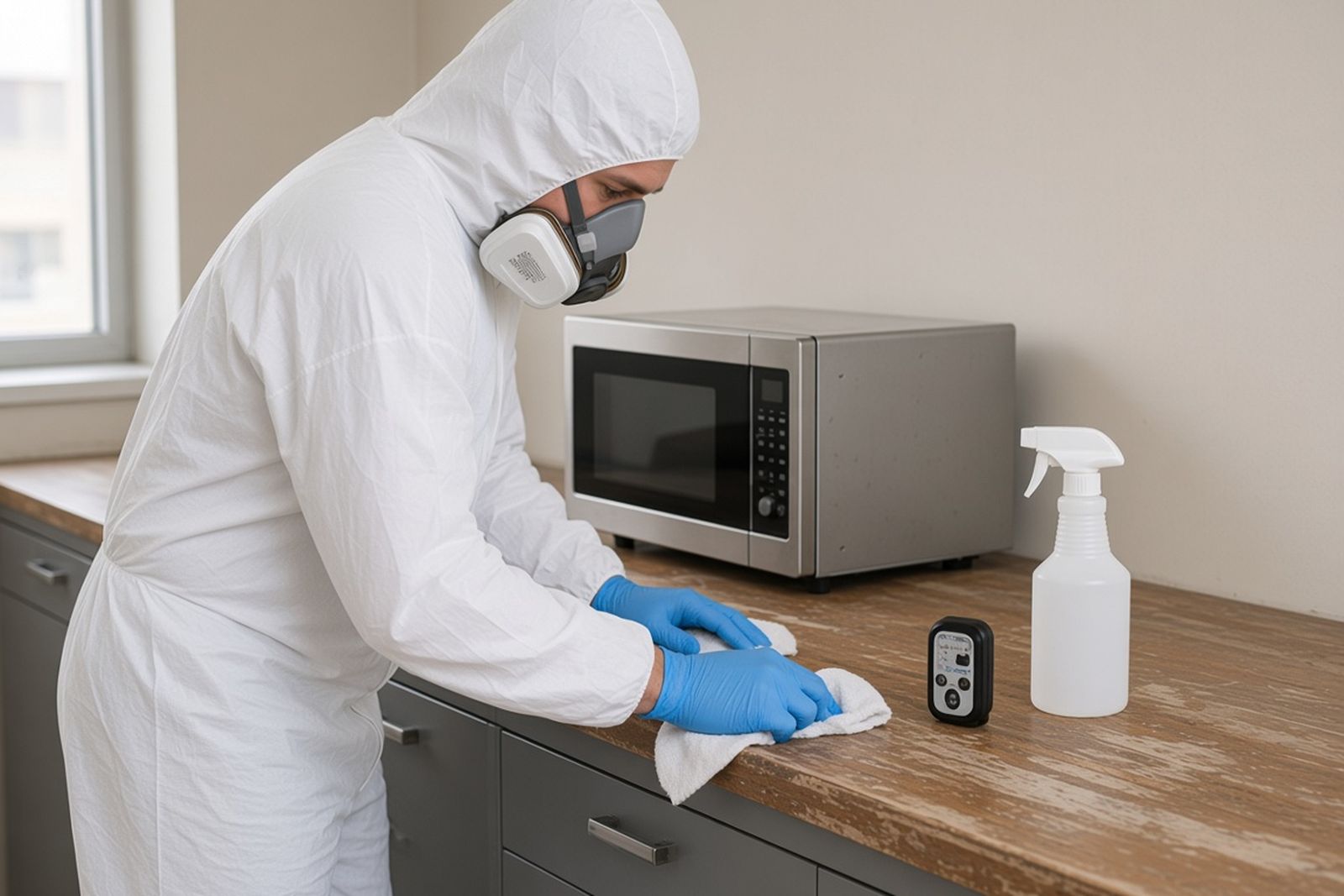
Before a biohazard decontamination provider arrives, make sure anyone injured has medical help, keep people and pets away from the contaminated area, avoid touching fluids or soiled items without protection, close off the space without spreading material, turn off fans or air handlers that could move droplets, photograph the scene from a distance, and gather information the crew and your insurer will need.
The first few minutes
Start with people. If someone is injured, ill or unresponsive, call 911 and follow the dispatcher's instructions. Medical care and any police response come before cleanup of any kind.
Once any emergency is handled, step back and look at the situation. Where is the contamination? Is it blood, vomit, feces, sewage or something you cannot identify? Is it contained to a hard floor, or has it reached carpet, furniture or walls? Is anything still leaking or spreading?
Your goal right now is not to clean. It is to keep the problem from getting bigger and to keep anyone else from being exposed. Those two priorities guide every step that follows.
If you are shaken, that is normal. Take a moment, ask someone to stay with you if you can, and work through the steps below one at a time.
How do you keep other people from being exposed?
Close doors to the affected area if you can do so without walking through contamination. If there is no door, block the entrance with a chair, a box or tape, and tell everyone in the household or building to stay out.
Pay special attention to children, pets, older adults and anyone with a weakened immune system. Pets in particular can walk through fluids and carry them to other rooms, so move them to a separate space or ask a neighbor to take them for the day.
In a workplace, redirect foot traffic and let coworkers know the area is off limits. If your employer has a bloodborne pathogens exposure control plan, follow it and notify the person responsible.
If someone may have had direct contact with another person's blood, such as through a cut or a splash to the eyes or mouth, wash the area with soap and water or flush eyes with clean water, and contact a healthcare provider promptly for advice.
Why shouldn't you just clean it up yourself?
It is tempting to grab paper towels and a spray bottle. For a very small amount of blood on a hard, nonporous surface, and with proper gloves, some people do handle it themselves. For anything larger, anything that soaked into porous materials, or anything you cannot identify, waiting for a professional is usually safer.
Pathogens behave differently, and some viruses survive on surfaces far longer than others. Because you often cannot know what is present, professionals treat all blood and bodily fluids as potentially infectious.
Household cleaning can also make things worse. Scrubbing can spread fluid into grout and carpet backing. Carpet cleaners can push contamination into the pad and subfloor. Mixing cleaning products can create harmful fumes. Waiting a few hours for a trained crew rarely causes as much harm as a well-meant but improper cleanup.
Quick actions that help while you wait
There are a few safe steps that limit damage without disturbing the contamination.
- Turn off ceiling fans, portable fans and, where practical, the heating or cooling system serving the area, so droplets and odors are not circulated.
- If fluid is spreading toward a doorway or drain, place a towel or absorbent pad at the edge without stepping into it, and leave it in place for the crew.
- For a sewage backup, stop using sinks, toilets and appliances that drain into the affected line.
- Keep windows closed unless you need fresh air for comfort, and keep interior doors shut.
- Leave soiled items where they are rather than moving them to another room or a trash can.
Records to gather, and questions to expect on the phone
Documentation helps the provider plan the work and helps your insurer or landlord understand what happened. You do not need to do anything elaborate.
From the doorway, take a few wide photographs of the affected area and any nearby rooms that might be involved. If it is safe to do so, take a couple of closer photos showing the edges of the contamination. Avoid taking photos that you would find distressing later, and do not share them publicly.
Write down the approximate time the event happened or was discovered, what you know about its cause, who has been in the area and anything that was moved. If a medical event or police response was involved, note the agency and any report or incident number.
Keep this information together on your phone or on paper. The crew will ask for most of it, and your insurer will ask for the rest.
When you call, expect the provider to ask what kind of contamination is involved, roughly how large the area is, what the flooring and wall surfaces are, whether anyone is still living or working in the space and whether any agency has restricted access.
They may also ask about parking, building access, elevators and whether a property manager needs to approve their entry. Have that information ready so the crew can come prepared.
Ask them what they expect to do on the first visit, whether they will provide a written scope before starting major work and how they will document the job. A reputable provider should be able to answer clearly, even on short notice.
Be careful about arrival promises. A provider may give you an estimated time, but traffic, other emergencies and staffing can change it. Ask them to call or text if their timing shifts, and keep following the steps above in the meantime rather than deciding to start the cleanup yourself.
Putting it together: a late-night discovery in a rental unit
To show how these steps fit together, here is a made-up case. A landlord gets a call at night from a tenant who came home to find that a guest had been injured in the bathroom and taken to the hospital. There is blood on the tile floor, the edge of a bath mat and the hallway carpet.
The landlord asks the tenant to keep the bathroom door closed, keep the family dog in a bedroom and turn off the hallway air return. The tenant takes a few photos from the doorway and places a towel at the edge of the hallway carpet stain without stepping on it.
The landlord contacts a biohazard decontamination provider, shares the photos and the building entry details and arranges for the crew to come the next morning. The tenant stays with a relative for the night.
When the crew arrives, they find that the tenant's quick actions kept the contamination from reaching two other rooms. A few calm steps made the professional work simpler.
Rules, reporting and paperwork
Depending on where the event happened, you may have obligations to report it. Employers may need to record workplace exposures, landlords may need to notify tenants or insurers, and some events involve law enforcement or health departments. If you are unsure whether a report is required, ask your local health department before assuming none is needed.
Contact your insurer early, especially if the contamination affected flooring, walls or furniture. Ask what documentation they need and whether they have preferences about when work begins.
If a police investigation is involved, the scene may not be yours to clean until officers release it. Ask the responding agency when that will happen and whether anything must stay in place. A decontamination provider should never start work on a scene that is still under investigation.
Keep copies of everything the provider sends you, including the estimate, any work authorization you sign and the closeout report. If you manage a rental or a business, file them where you keep other property or safety records, since questions sometimes arise months later.
How do you look after yourself while you wait?
Discovering a biohazard, especially one involving someone you care about, can be deeply upsetting. Give yourself permission to step away and let professionals handle the physical work.
Wash your hands thoroughly if you touched anything in the area, change clothes if they may have been splashed and eat or drink something. If the event involved a suicide attempt or a death, or if you are struggling with thoughts of self-harm, you can call or text the 988 Suicide and Crisis Lifeline at any hour.