Biohazard Decontamination: Choosing a Company
Evidence to request from biohazard decontamination providers: business identity, applicable training, insurance, scope assumptions, waste routing, verification, availability, and responsibility for subcontractors.
Posts here help you pick a biohazard cleanup provider whose skills fit your event. You will find question lists for the first call and red flags that suggest a company may cut corners. You will also find advice on checking training, records, and credentials. Articles compare local and national providers and explain how to confirm a company's waste hauler. They describe how to judge whether its disinfectant choices and drying plans match the materials in your building. You will also see how to read a sample final report. Then you know what a finished job should look like on paper before you commit to anyone.
Get an email reply about biohazard decontamination
Send a short message to the follow-up inbox. A coordinator can reply by email. This form does not send emergency help; call 911 first if anyone is in danger.
Matching the provider to the event matters because biohazard work is broad. A firm that is great at trauma cleanup may have little sewage drying experience. A water damage contractor may lack blood safety training. Learning what to ask helps you find a company that can explain its steps, product labels, and waste handling for your situation. It also helps you walk away from one that answers every question with the same vague promise. Posts also explain how to ask about subcontractors, since some firms send a separate drying or hauling crew. Knowing who will really be in your building, and who answers for the result, protects both your property and your records.
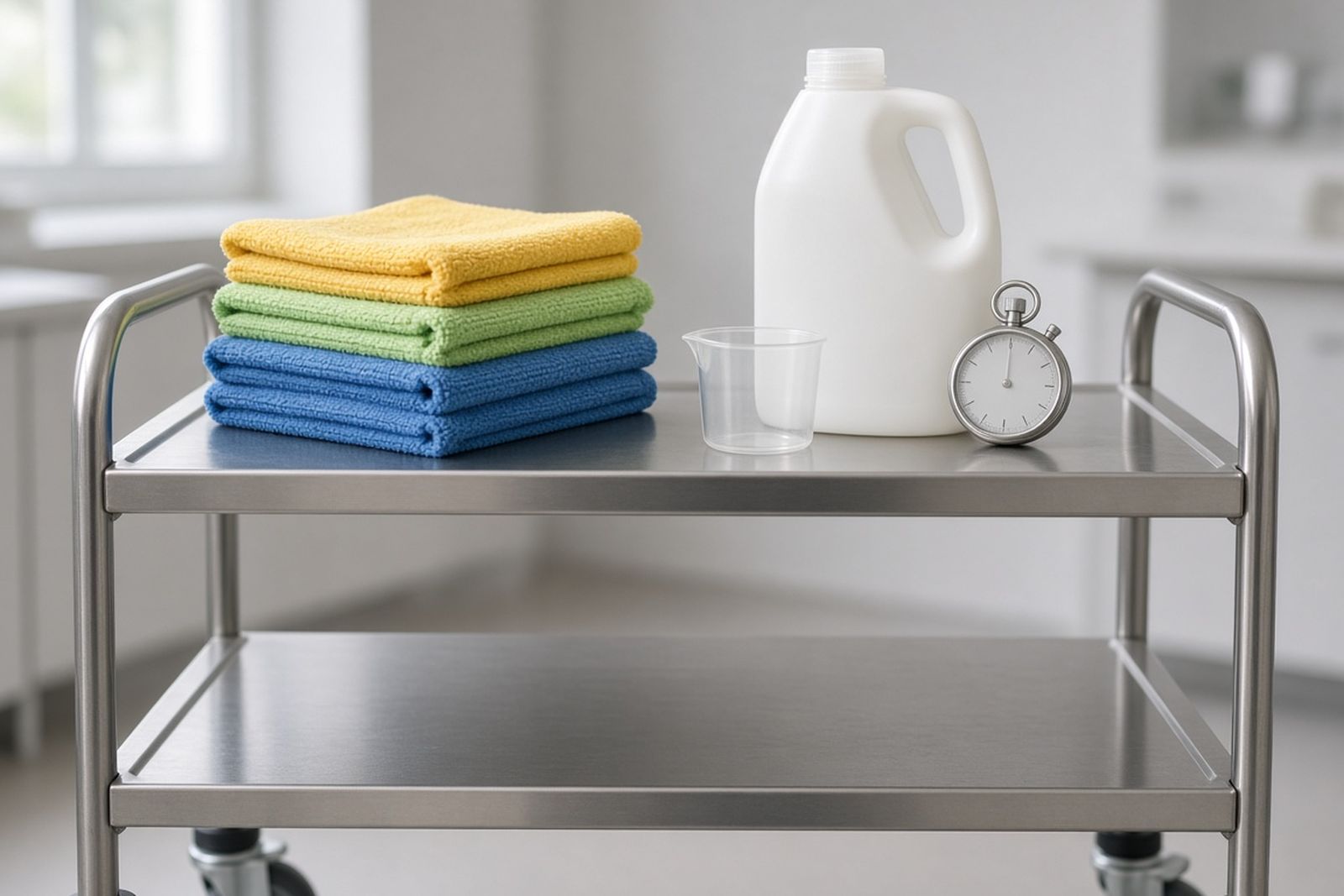
10 Questions to Ask Before Hiring a Biohazard Decontamination Company
Ask about bloodborne pathogen training, labeled disinfectants, porous-material decisions and waste records before you hire a biohazard decontamination firm.
Before hiring a biohazard decontamination company, ask how its workers are trained under the OSHA bloodborne pathogens standard, which disinfectants it uses and why, how it decides what to remove, how regulated waste leaves your property, what verification and records you will receive, what insurance it carries, how it prices changes, and who will actually do the work. Clear, specific answers matter more than slogans.
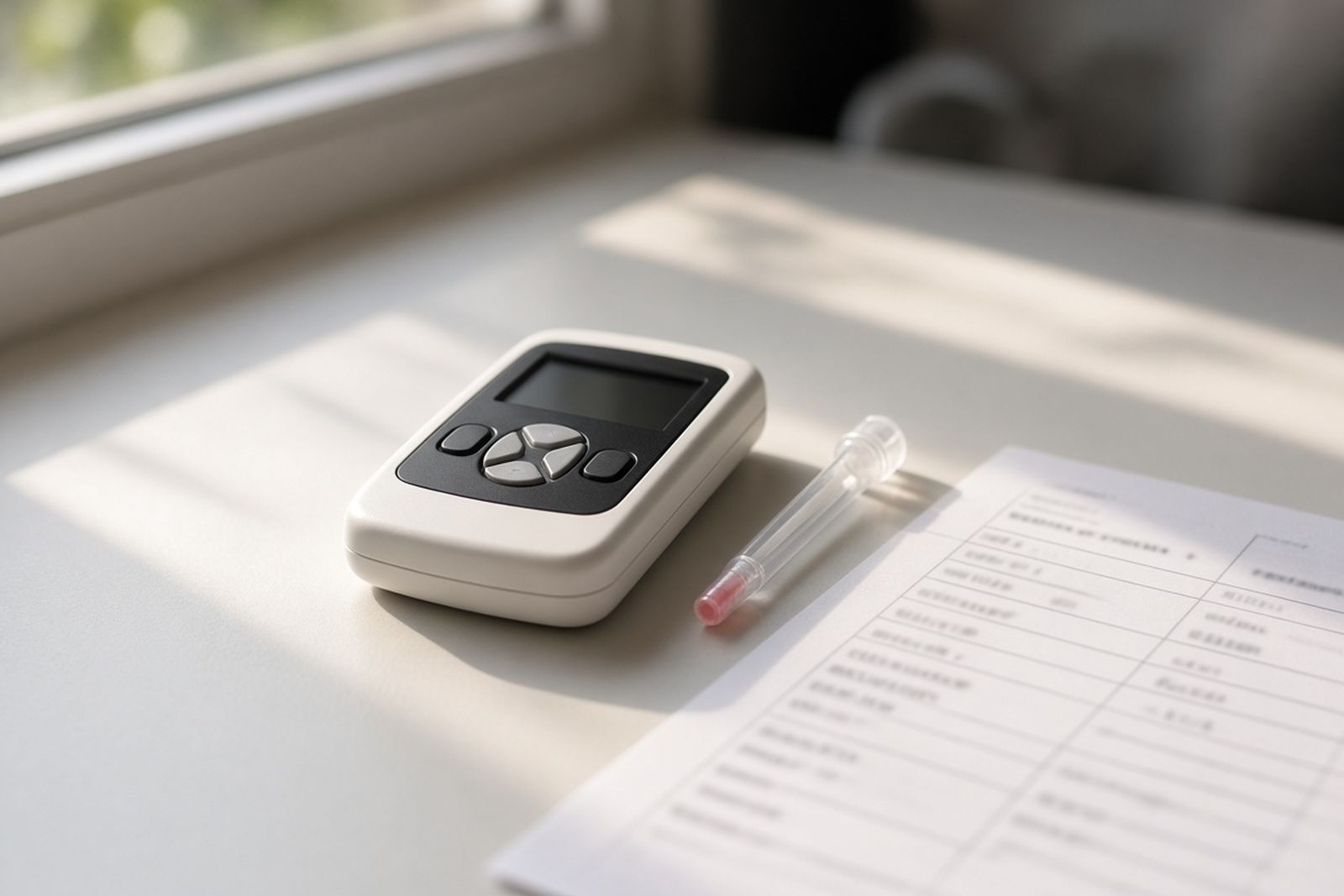
Red Flags When Hiring Biohazard Decontamination Services
Vague disinfectant claims, no bloodborne pathogen training, no waste manifest, pressure to sign: warning signs to catch before a biohazard crew enters.
The clearest red flags when hiring a biohazard decontamination company are an inability to name the registered disinfectant and its contact time, no proof of bloodborne pathogen training, no plan for regulated waste, a price given without seeing the site, pressure to sign quickly, and reluctance to put scope, exclusions and documentation in writing. Even a single one is worth pressing on before you agree to anything.
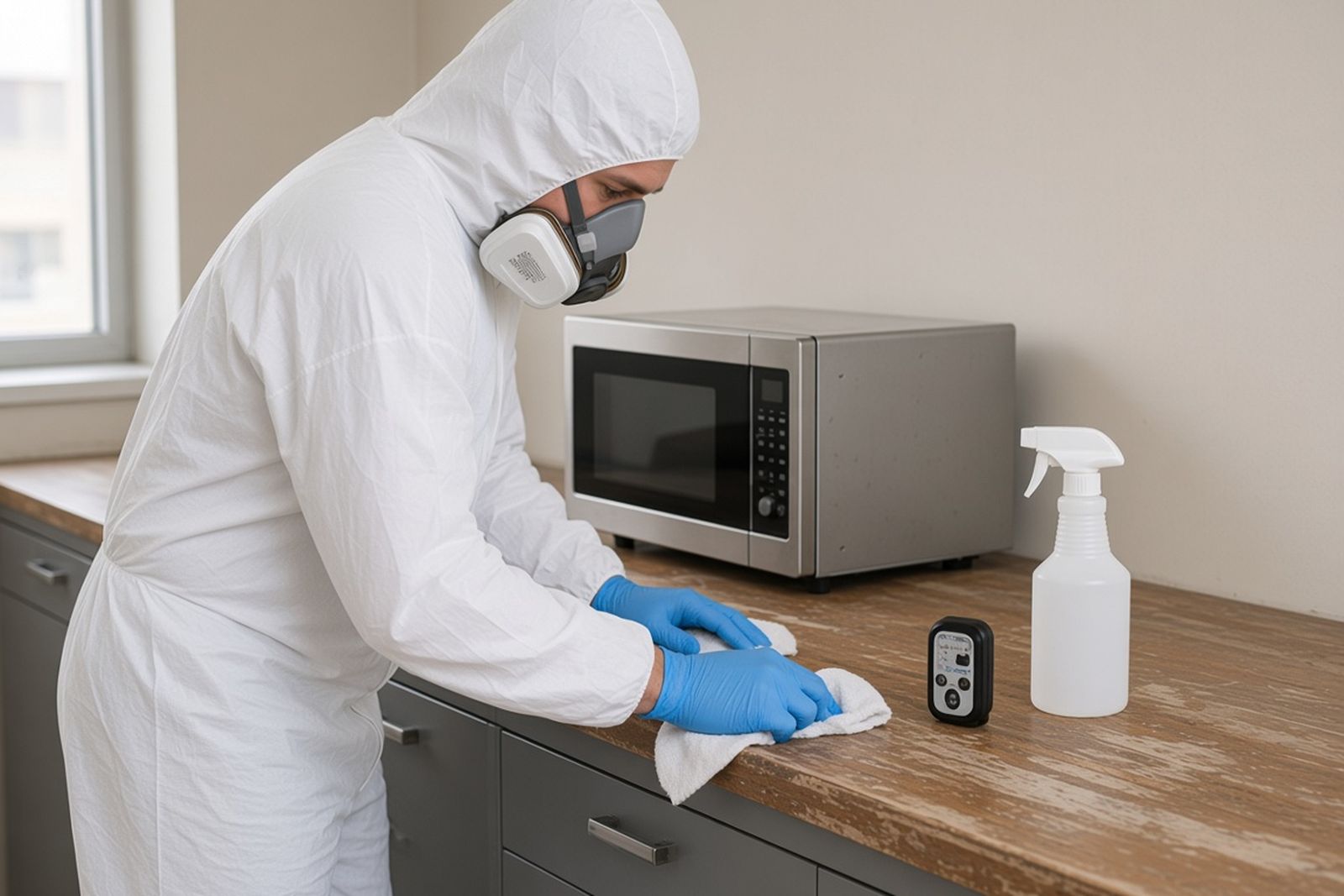
Training, Documentation, and Credentials for Biohazard Decontamination
What bloodborne pathogen training, exposure control plans, waste permits and job records really tell you about a biohazard decontamination company.
Credentials in biohazard decontamination matter because the work cannot be judged by appearance. Look for proof of annual OSHA bloodborne pathogen training, a written exposure control plan, a hepatitis B vaccination program, any state or local registration for handling or transporting regulated waste, and a habit of producing job records. Certificates on a website mean less than documents the company can show you for your job.
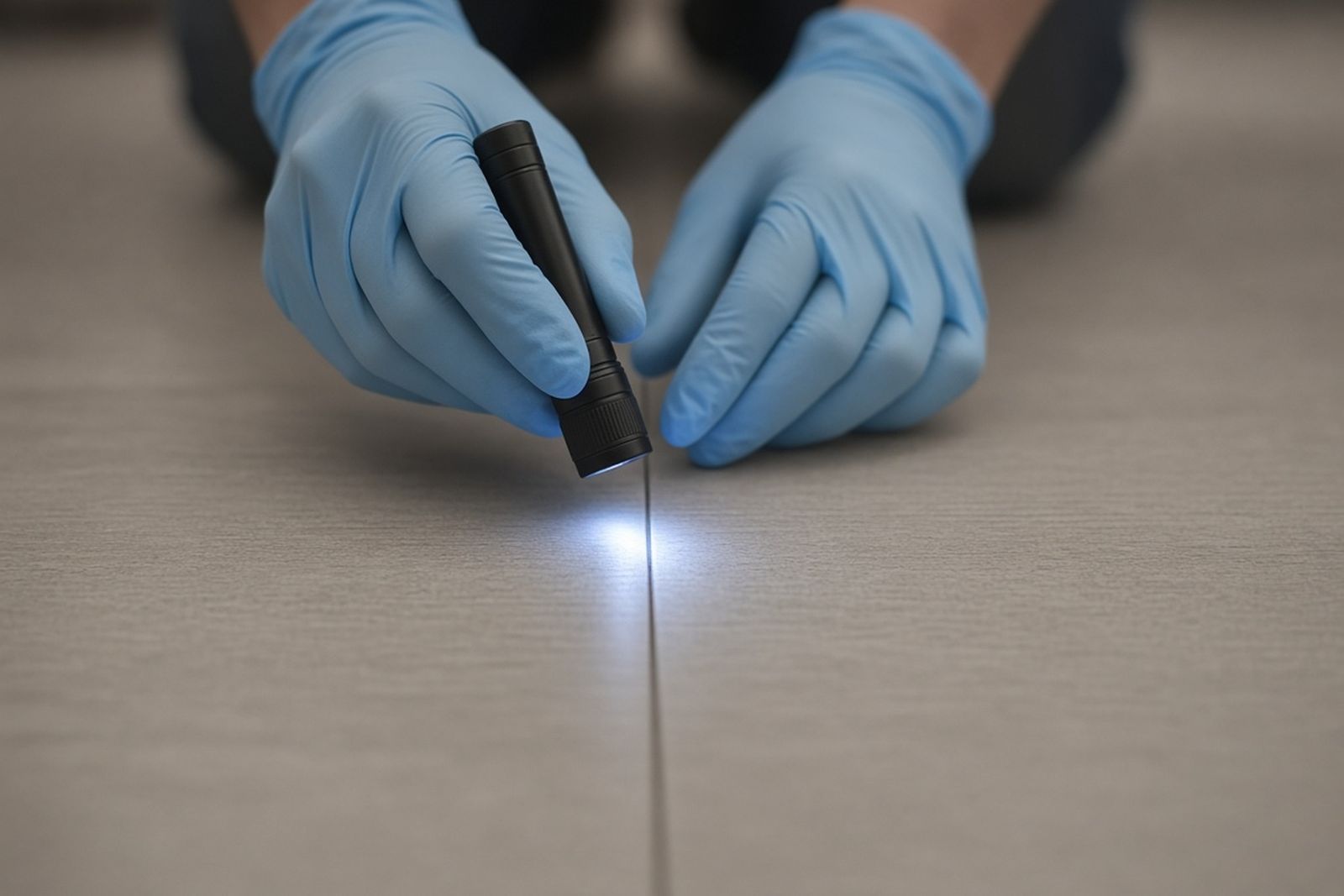
How to Compare Local and National Biohazard Decontamination Providers
Independent local crew or national brand? How to compare biohazard decontamination providers on response, training, disinfectant records and waste handling.
Neither local nor national biohazard decontamination companies are automatically better. Local independents often offer direct owner contact and flexible scheduling; national brands and franchise networks may offer broader coverage, standardized procedures and capacity for large jobs. Compare the people who will actually arrive, their bloodborne pathogen training, disinfectant and waste documentation, written scope and how they handle insurers.
Sourced figures on choosing a company
- 52,700
Hazardous materials removal workers held about 52,700 U.S. jobs in 2025 with median annual pay of $49,450.
Read with care: BLS category covers asbestos, lead, mold and hazardous waste; biohazard cleanup is not broken out.
Source: U.S. Bureau of Labor Statistics (2025)United States, occupation 47-4041, May 2025 wages
- 4,000
More than 4,000 antimicrobial products containing about 275 different active ingredients are registered with EPA.
Read with care: Count includes sanitizers and sterilants beyond hospital disinfectants.
Source: U.S. Environmental Protection Agency (2024)United States, EPA-registered antimicrobial pesticide products
- 1:10 bleach
In the same study, a 1:10 bleach dilution eliminated infectious HCV from dried blood spots after one minute, whereas 70% ethanol left 13% of spots infectious.
Read with care: Laboratory study using cell-culture-derived HCV dried in blood spots; real-world infectivity depends on volume, surface and conditions.
Source: Journal of Infectious Diseases (Paintsil et al.) (2014)Laboratory disinfection test, 1-minute contact time
These figures are public research and agency data, not this network's own job records. Keep each number with its population, year and limits; none of them predicts cost, timing or outcome at a specific property.
What research has found
Findings from published studies of people and properties in situations like this one. They describe what researchers observed in a specific group; they are not predictions for your case.
All tested formulations contained agents capable of environmental stress cracking.
Both methods reduced cultured bacterial contamination.
Choosing a Company: common questions
Should I hire a water damage company or a biohazard company for sewage?
Either may be a good fit if it has the right experience. Sewage cleanup takes water removal and drying skills. It also takes an understanding of removing soiled materials, safety gear, and disinfecting. Ask each company to describe its sewage process step by step. That should include what it removes, how it disinfects, and how it confirms drying.
What training records can I reasonably ask a provider to show?
You can ask whether workers receive blood safety training and whether the company has a written exposure plan. You can also ask whether it runs a breathing protection program when respirators are used. Some companies share summaries instead of personal records. Clear answers about how training is kept current are a good sign.
Is a guarantee of complete sterilization a warning sign?
Yes. Cleanup aims to remove dirt, apply a labeled disinfectant properly, and record the results. But no honest provider can promise a building free of every germ. Be careful with companies that use all-or-nothing language instead of explaining their method, products, and checks in writing. A clear written plan is worth more than a bold promise.
How do I weigh a friend's recommendation against a company I found online?
A personal tip tells you how a company treated someone you trust, and that has value. Still, ask both companies the same questions, since your job may differ from your friend's. Compare their answers about training, products, waste, and records. The tip can tip the balance if both companies answer well.
What if no local company answers after hours?
Leave clear messages with a few providers, including your name, number, and a short description. In the meantime, keep the area closed off and follow the first-hours steps. Many situations can wait until morning if no one is at risk. If someone is hurt or in danger, call 911. Some regional or national companies also offer after-hours dispatch.
Is it better to hire one company for both cleanup and rebuilding?
One company can make planning and scheduling simpler, and a single contact may help with insurance. But the best cleanup company is not always the best builder. Think about getting separate quotes for each part so you can compare. If you use one company, check that its work plan clearly separates cleanup from rebuilding.
How can I check a company's complaint history?
Search the company name along with words such as complaint or review. Check your state attorney general's consumer protection office and local business bureaus. Look for patterns, not single events. Also ask the company directly how they handle complaints. A thoughtful answer about fixing problems can tell you as much as a clean record.
Related community polls
Every count is a real visitor vote; nothing is seeded or padded. One vote per poll per device, and you can change your answer.
When you found a biohazard mess, what was your first instinct?
What would most likely make you hire a provider instead of cleaning up yourself?
More on biohazard decontamination
Biohazard Decontamination services
Learn how pro cleanup handles blood, body fluids, and germs in homes, workplaces, and schools. See each step, from the first visit to checked disinfecting and recorded waste removal.
Costs explained
What drives the price, published cost ranges, and how to read a written quote line by line.
Insurance and payment
Which policies may respond, how to document a claim, and what to do if coverage is denied.
Planning tools
Use checklists and planners that help you judge the hazard, plan the first day, sort waste types, and get ready to talk with providers and insurers.
Community polls
See how other owners and managers made choices about body-fluid messes. Compare their instincts with the sourced advice elsewhere on the site.
Knowledge quiz
Test what you know about spotting hazards, scene release, containing a mess, disinfecting, waste, and records. A short quiz and study guide explain each idea.