Biohazard Decontamination: Health & Wellness
Privacy, decision-load, trauma-aware communication, and verified support resources for people managing biohazard decontamination. Educational remediation content is not mental-health treatment.
This category deals with the stress, disruption, and health questions that follow a biohazard mess at home or work. Posts cover practical ways to cope when a room is closed off and you cannot use it. They cover how to talk with children or staff about what happened without scaring them. They also show where to find mental health help when an event is tied to illness, injury, or loss. Articles also discuss when to get medical advice after possible contact with blood, body fluids, or sewage. You will also find advice on protecting people in the home who are pregnant, elderly, or medically fragile while soiled areas are cleaned.
Get an email reply about biohazard decontamination
Send a short message to the follow-up inbox. A coordinator can reply by email. This form does not send emergency help; call 911 first if anyone is in danger.
Biohazard events can be upsetting even when no one was badly hurt. A sewage loss may push a family out of its basement. An outbreak at work can leave staff anxious about coming back. These posts treat those reactions as normal. They help you keep property choices apart from personal recovery, so you can hand off work where you can and care for the people involved. Some articles focus on sleep, routines, and talking things through during a disruptive repair period. Others suggest ways to ask neighbors, coworkers, or relatives for help when you are managing both a damaged space and a worried household.
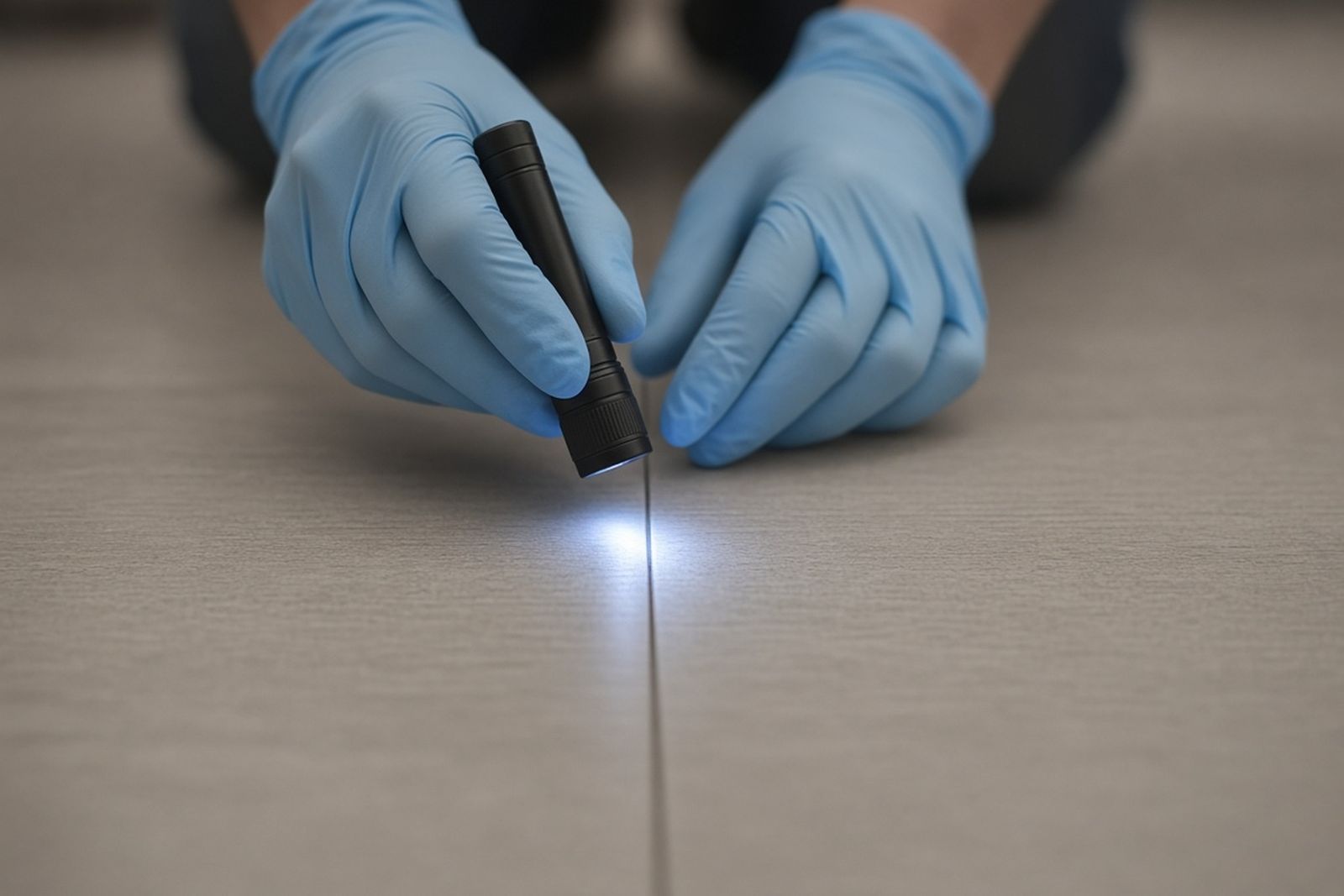
Managing Stress and Disruption During Biohazard Decontamination
Fear of infection, a sealed-off room, strangers in protective suits: practical ways to manage the stress and disruption of a biohazard decontamination job.
Biohazard decontamination is stressful because it combines an upsetting event, fear of infection, loss of part of your home and decisions made under time pressure. You can ease the strain by getting clear facts about actual risk, agreeing on a written plan and timeline, choosing what you want to see, delegating calls to one trusted person, keeping routines where possible and asking for emotional support early.
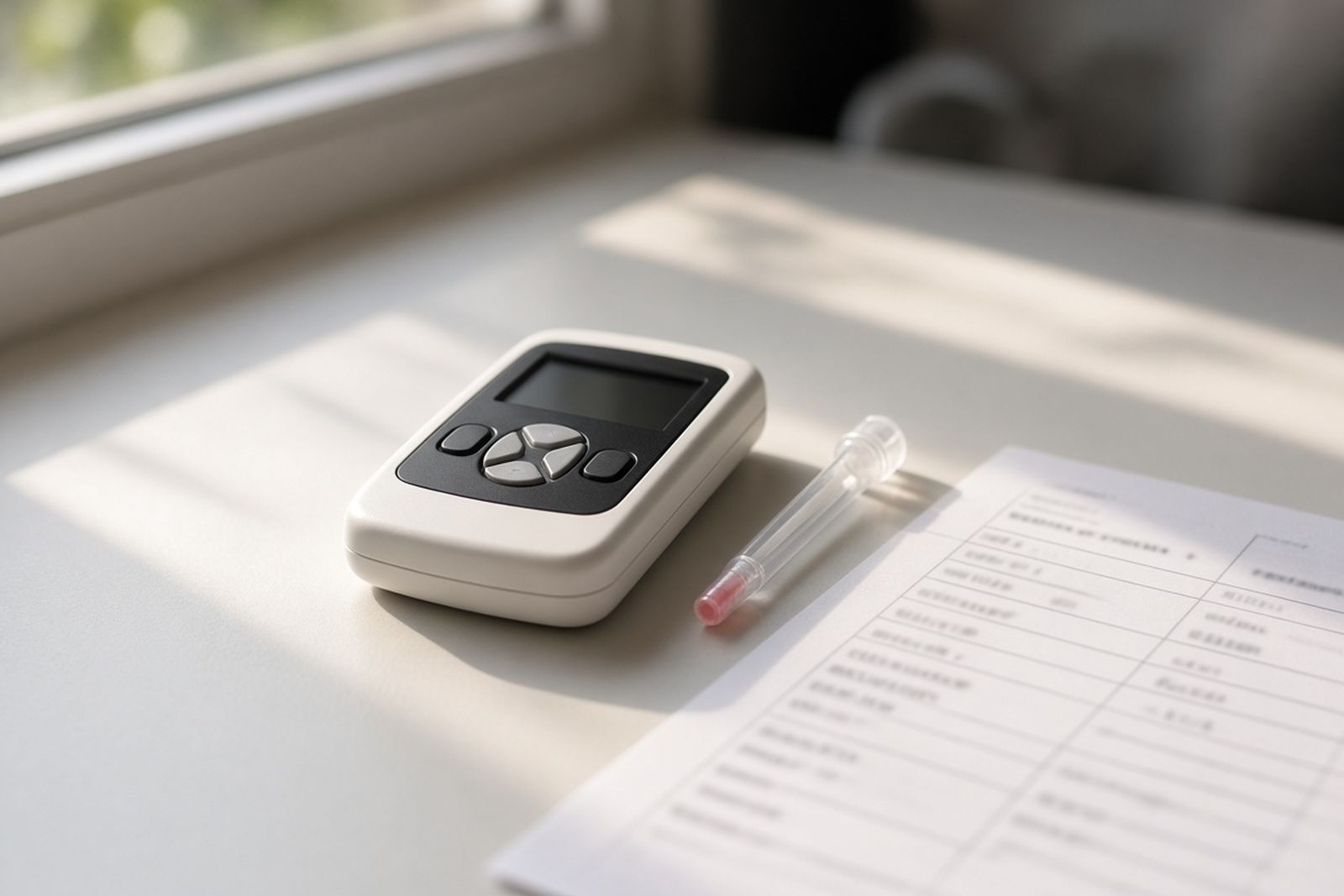
Mental Health Resources During Biohazard Decontamination
Finding blood or body fluids at home or work can shake anyone. Here is how to protect your mental health while biohazard decontamination is underway.
It is normal to feel shaken, numb, anxious or unable to sleep after a biohazard event, whether it involved an injury, an illness or a death. Step back from the scene, let professionals handle the cleanup, lean on people you trust and reach out for support early. If you or someone near you is in crisis, call or text 988 to reach the 988 Suicide and Crisis Lifeline.
Sourced figures on health & wellness
- 60%
Dust nicotine loading fell about 60% immediately after cleaning.
Read with care: Nicotine markers, not odor scores or disease outcomes; continuing smoke intrusion possible.
Source: Matt et al. (2021)48 homes with strict indoor smoking bans assigned to cleaning sequences.
- 18 million
OSHA counts approximately 18 million workers in the U.S. health care industry, many of whom are at risk of occupational exposure to bloodborne pathogens.
Read with care: Not all 18 million have occupational exposure.
Source: OSHA (2024)United States, health care industry workforce
- 69,000
In 2023, 4,966 acute hepatitis C cases were reported in the United States, while CDC estimates about 69,000 infections occurred.
Read with care: Modeled estimate.
Source: CDC (2023)United States, 2023 surveillance with underreporting adjustment
These figures are public research and agency data, not this network's own job records. Keep each number with its population, year and limits; none of them predicts cost, timing or outcome at a specific property.
What research has found
Findings from published studies of people and properties in situations like this one. They describe what researchers observed in a specific group; they are not predictions for your case.
Conferences and study days were a major source of biofilm knowledge.
Floors were disinfected less consistently than high-touch surfaces.
Health & Wellness: common questions
Should I see a doctor after cleaning up sewage without protection?
Contact a medical provider if you get an upset stomach, fever, skin rash, or an infected cut after touching sewage. Describe how you were exposed. Wash your skin well with soap and water right away. People with weak immune systems or open wounds should be extra careful. They may want advice even if they have no symptoms.
How can I ease staff worries after a workplace biohazard event?
Share clear facts about what happened, what was cleaned, and when areas were cleared for use. Leave out graphic details. Offer access to employee help or counseling services if the event was upsetting. Invite questions, and let staff know who to contact with concerns. Being open usually builds more trust than staying silent.
Is it normal to feel uneasy using a room after decontamination?
Yes. Even after a thorough cleaning, many people feel uneasy in a space linked to illness or a biohazard. Looking over the final records, rearranging the room, or waiting a little before using it again can help. If the feeling lasts or gets in the way of daily life, think about talking with a counselor.
Can disinfectant residue bother people with asthma or allergies?
Some people react to disinfectant fumes or residue, especially from products with strong scents or certain active chemicals. Tell the provider about anyone in the home with asthma, allergies, or chemical sensitivity. Then they can choose products and air flow with care. Ask how long those people should wait before coming back, and whether surfaces should be wiped afterward.
How should I plan for an immunocompromised household member coming home?
Talk with that person's doctor about any special precautions. Tell the provider about their condition so the cleanup can be planned with extra care. Ask for clear advice about when the area is ready. Think about waiting a little longer if you are unsure. Keeping the rest of the home clean and well aired also helps.
Is it normal to have trouble sleeping after a biohazard event?
Yes. Poor sleep, racing thoughts, and vivid dreams are common after a stressful or upsetting event. They often ease with time, rest, and support. Try to keep regular routines, and limit caffeine and alcohol. If sleep problems go on or you feel overwhelmed, talk with a doctor or counselor. If you are in crisis, call or text 988.
Should I keep track of symptoms in the days after a possible exposure?
If you touched blood, sewage, or other body fluids, it makes sense to note any symptoms and when they began. Watch for things such as fever, upset stomach, or skin rash. Share this with your doctor, along with details of how you were exposed. Your notes help the doctor judge whether symptoms are linked and whether follow-up testing is needed.
Related community polls
Every count is a real visitor vote; nothing is seeded or padded. One vote per poll per device, and you can change your answer.
When you found a biohazard mess, what was your first instinct?
What would most likely make you hire a provider instead of cleaning up yourself?
More on biohazard decontamination
Biohazard Decontamination services
Learn how pro cleanup handles blood, body fluids, and germs in homes, workplaces, and schools. See each step, from the first visit to checked disinfecting and recorded waste removal.
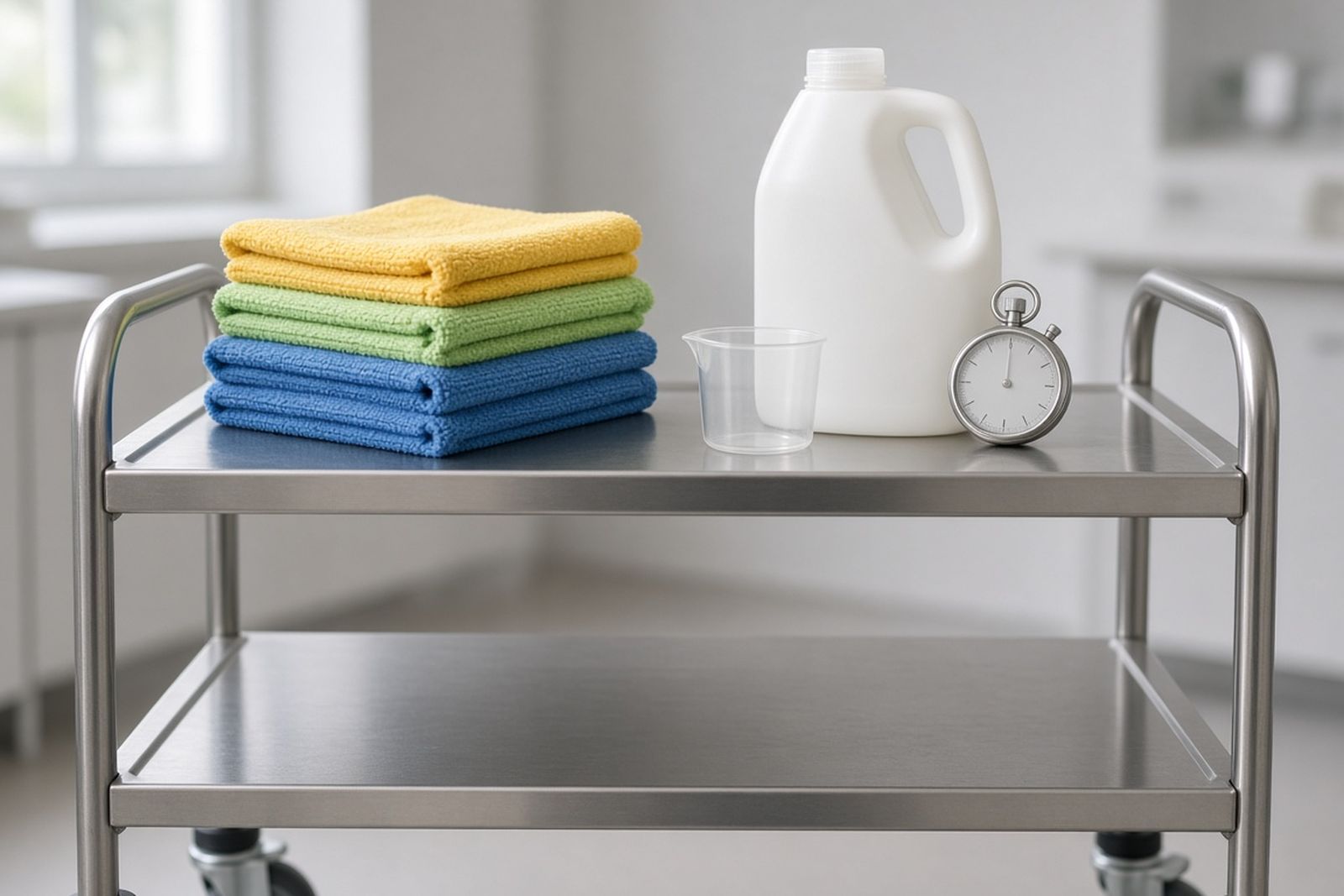
Costs explained
What drives the price, published cost ranges, and how to read a written quote line by line.
Insurance and payment
Which policies may respond, how to document a claim, and what to do if coverage is denied.
Planning tools
Use checklists and planners that help you judge the hazard, plan the first day, sort waste types, and get ready to talk with providers and insurers.
Community polls
See how other owners and managers made choices about body-fluid messes. Compare their instincts with the sourced advice elsewhere on the site.
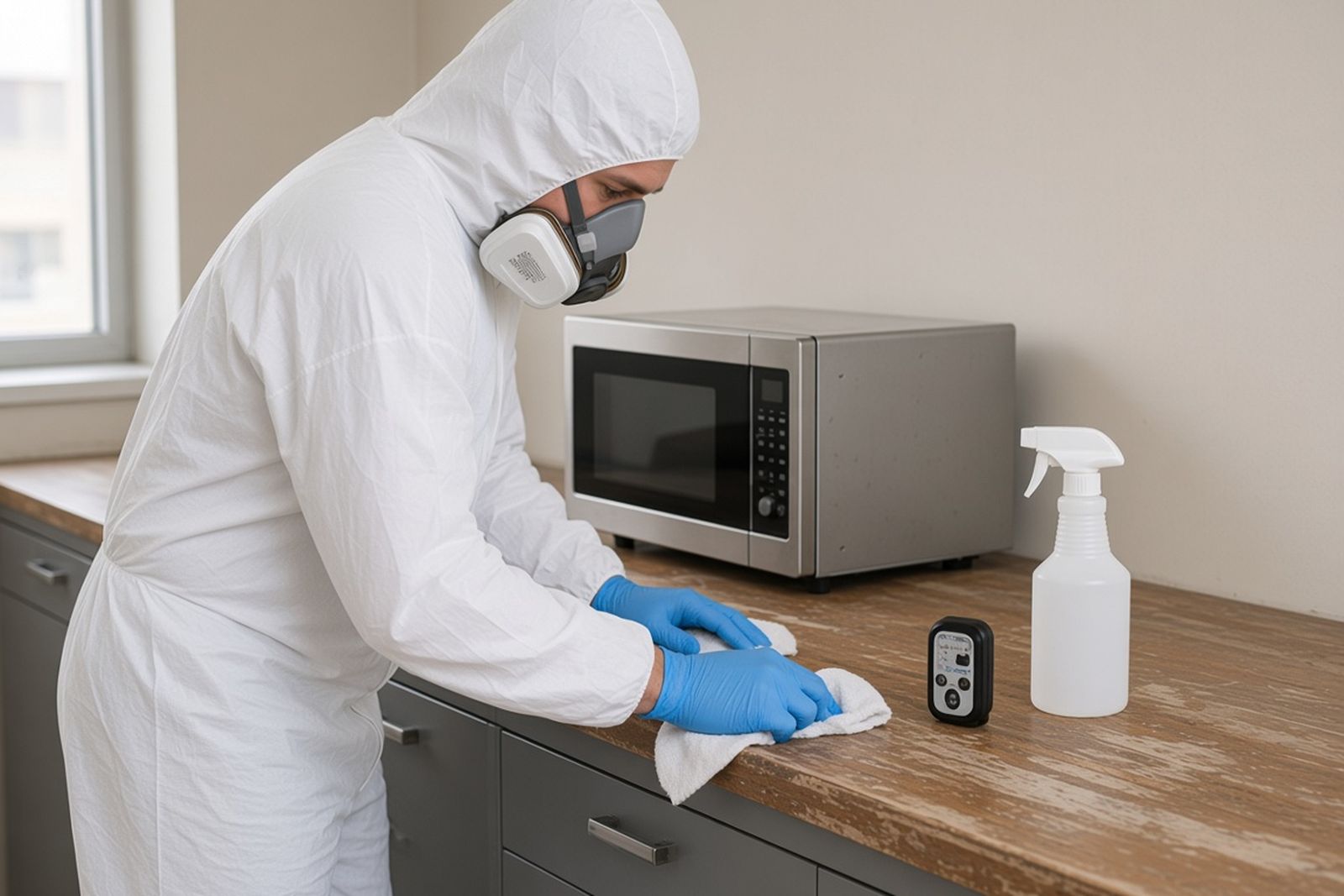
Knowledge quiz
Test what you know about spotting hazards, scene release, containing a mess, disinfecting, waste, and records. A short quiz and study guide explain each idea.