Biohazard Decontamination: Industry Insights
Operational analysis of biohazard decontamination documentation, property-type differences, technology limits, environmental decisions, and provider business models—without invented case histories.
Industry posts explain how biohazard cleanup has grown and how the business side works. Articles trace how worker safety rules, disinfectant labels, and record-keeping habits have shaped how the work is done today. Others explain what property managers need to know about who decides, how to talk with tenants, and when a space can reopen. Posts also cover how business and home jobs differ and how a work plan that holds up to review is built. They cover how providers handle their duty to the environment through waste sorting and product choices. Other posts discuss how new tools catch on. These include swab meters for leftover residue, moisture mapping, and electrostatic sprayers. The posts help you judge whether a tool serves your job or only the marketing.
Get an email reply about biohazard decontamination
Send a short message to the follow-up inbox. A coordinator can reply by email. This form does not send emergency help; call 911 first if anyone is in danger.
This background helps you understand who you are dealing with and why a proposal looks the way it does. Some firms focus on trauma work. Others focus on water and sewage losses. Others serve hospitals or factories, which have their own rules for when a space is clear. Knowing how those groups work helps you ask whether a provider's experience fits your event. It also helps you ask whether its paperwork will satisfy insurers, inspectors, or future buyers. It explains why two good companies may propose different plans for the same event. Seeing how experience, equipment, and client type shape a proposal makes it easier to ask focused questions. Then you can choose a provider whose background truly matches the mess you face.
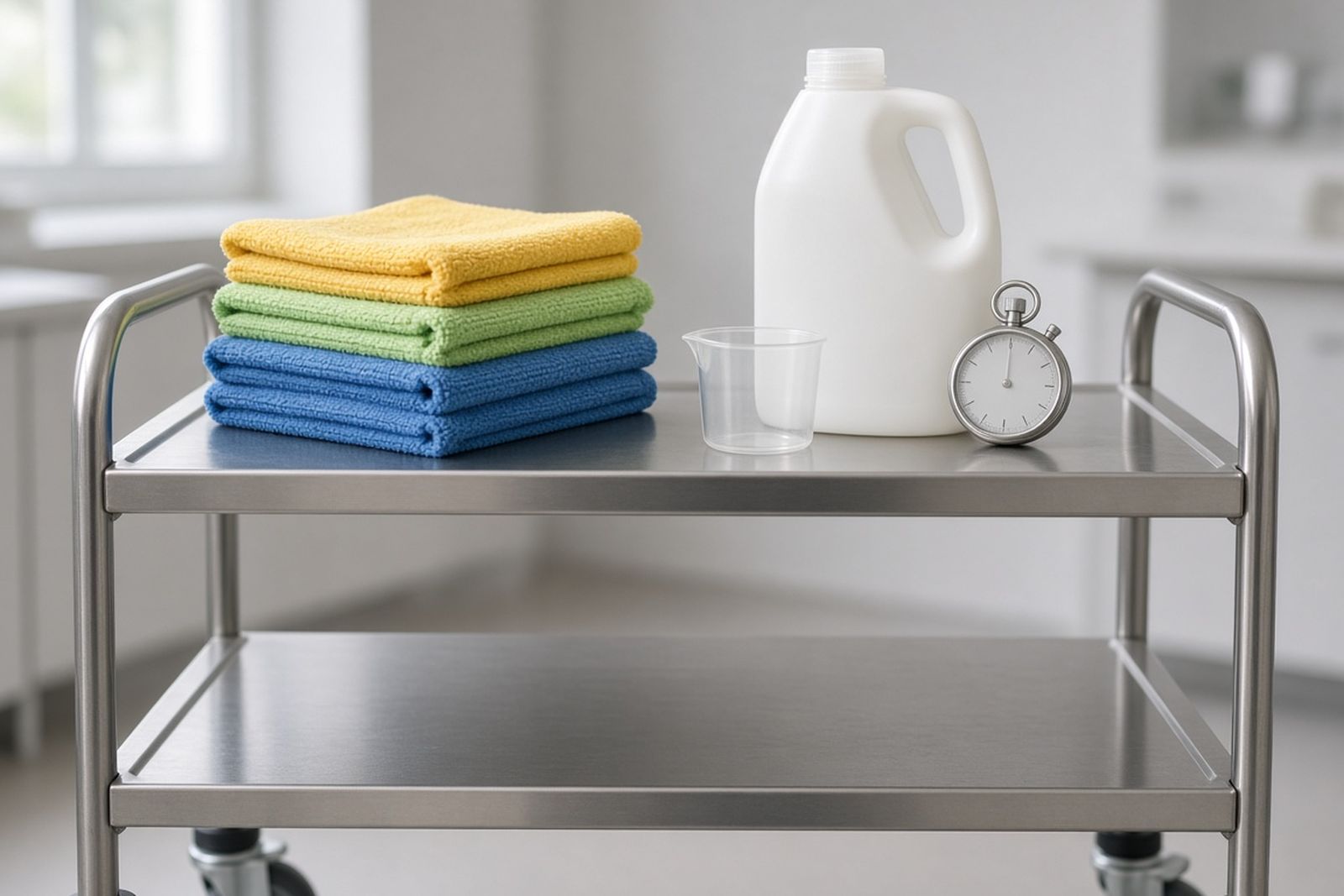
How Biohazard Decontamination Practice Has Changed
From bleach and mops to treating all blood as risky, official disinfectant lists and pandemic-era questions: how biohazard cleanup has changed over time.
Biohazard cleanup has moved away from general cleaning with strong chemicals. Today it is a planned practice. It treats all blood as able to carry disease. It follows federal worker safety rules. It uses registered disinfectants and keeps them wet as long as the label says. It handles regulated waste by the rules and puts things in writing. In recent years, people have looked harder at how products are applied, what chemicals workers breathe and which new tools really work on real surfaces.
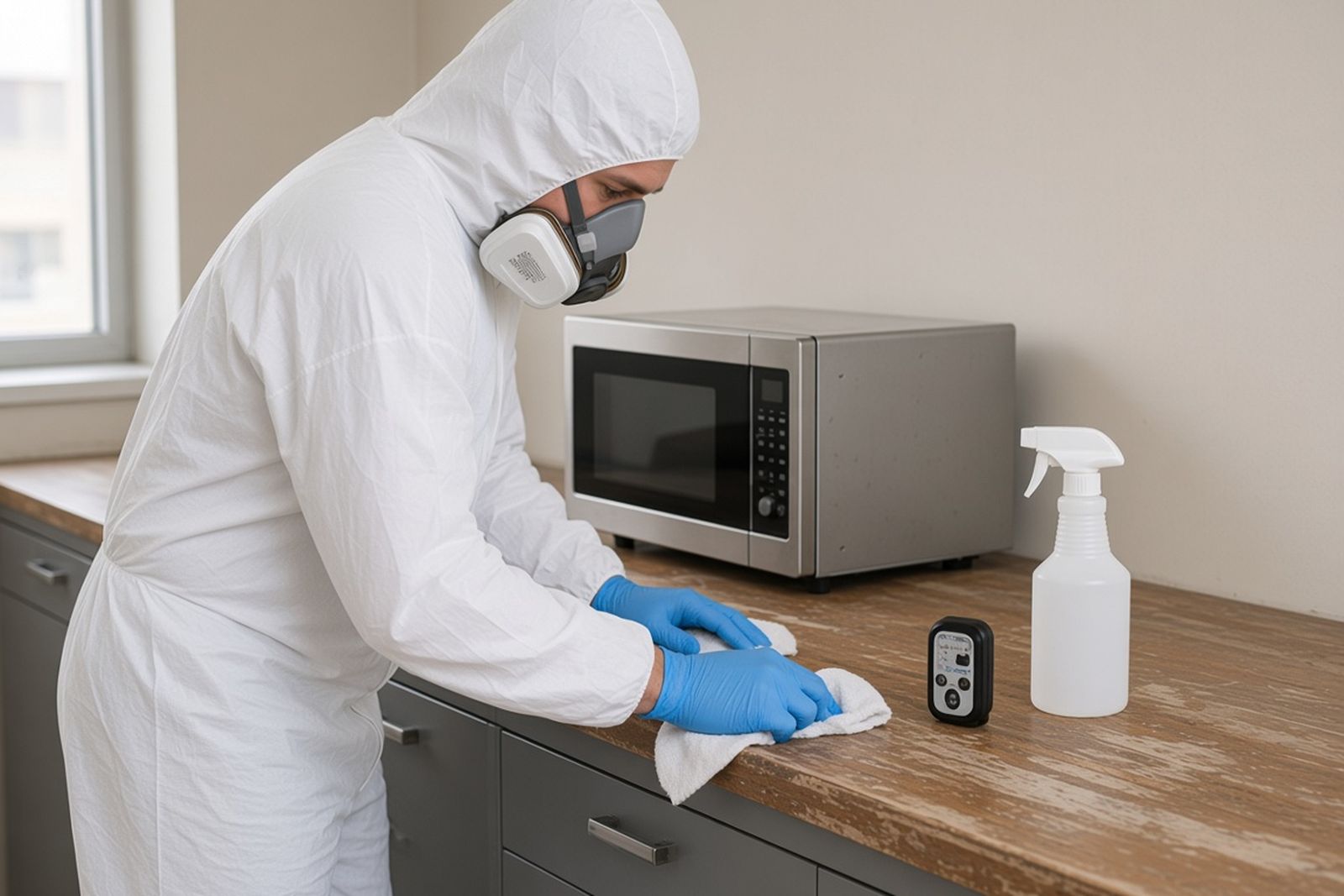
Biohazard Decontamination for Property Managers: What You Need to Know
A property manager's guide to blood and body-fluid events: securing units, tenant notices, vendor scopes, disinfectant records and closeout paperwork.
As a property manager, your job during a biohazard event is to control access, protect tenants and staff, hire a qualified decontamination provider with a written scope, and keep a clean paper trail. You do not need to become a technician, but you do need to know which areas are shared, who authorizes work, what records prove the job was done, and when a unit can be released.
Biohazard Decontamination Planning Example: Building a Defensible Scope
A step-by-step, fictional planning walkthrough showing how a biohazard decontamination scope is built, challenged and documented from first call to closeout.
A defensible biohazard decontamination scope ties every line item to something observed: where fluid went, which materials absorbed it, which disinfectant fits the surface and how waste will leave the property. This illustrative example follows one invented job from intake through closeout so you can see how each decision is made, recorded and explained to an owner, insurer or tenant.
Commercial vs Residential Biohazard Decontamination
How blood and fluid decontamination differs in a home versus an office, store or clinic: who is responsible, how work is scheduled and what records matter.
The science of biohazard decontamination is the same in a house and a business: clean first, remove what cannot be decontaminated, disinfect with a labeled product and handle waste properly. What changes is the setting. Commercial jobs add employer duties under OSHA, more stakeholders, tighter scheduling and heavier documentation, while residential jobs usually involve grieving families, personal belongings and a single decision-maker.
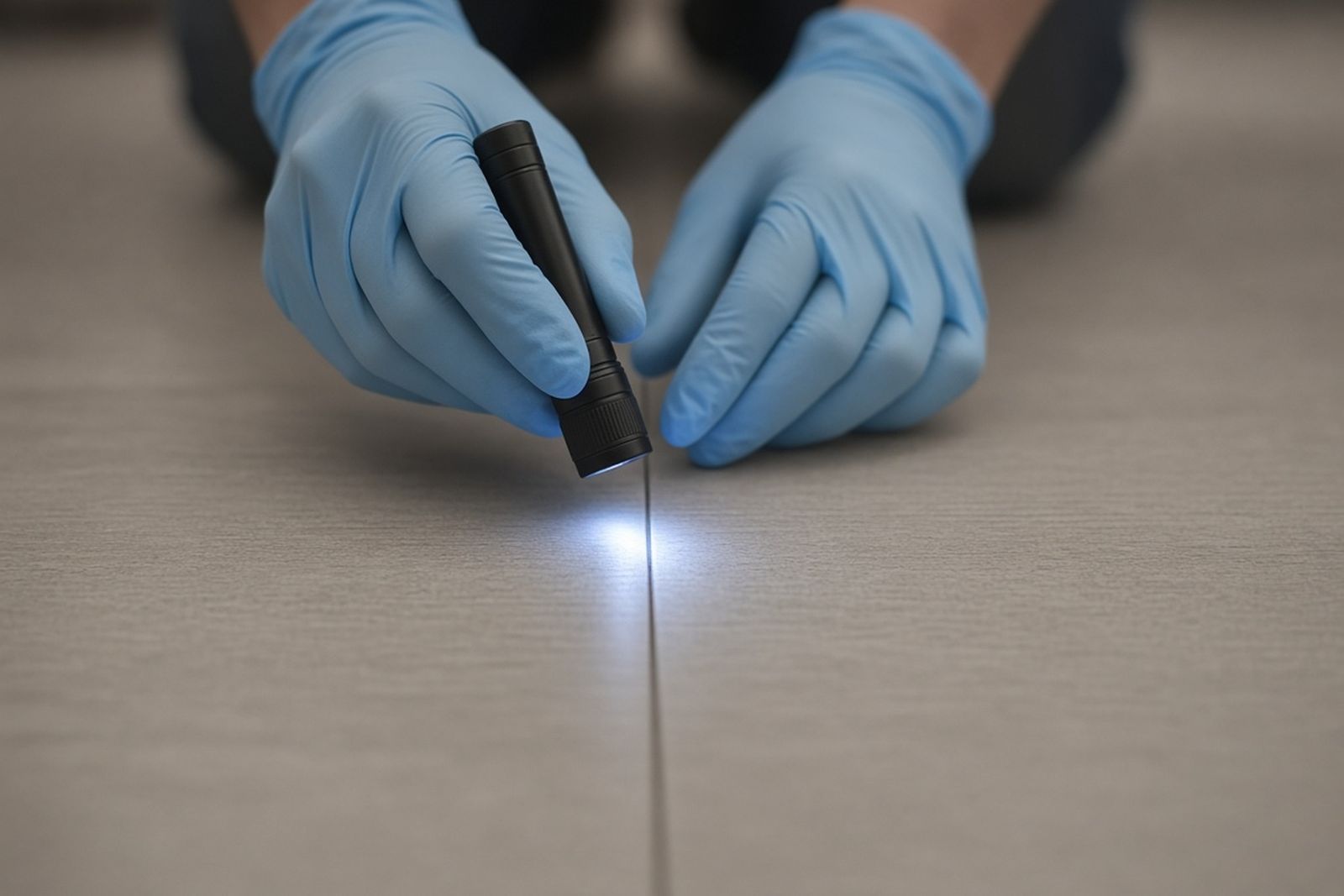
Environmental Responsibility in Biohazard Decontamination
How a biohazard decontamination job can limit chemical use, landfill waste and runoff without cutting corners on blood and body-fluid safety.
Environmental responsibility in biohazard decontamination means removing only what truly cannot be decontaminated, choosing a disinfectant that fits both the pathogen and the surface, applying it precisely rather than flooding a room, keeping wash water out of storm drains and sending regulated waste through a proper disposal channel. None of it should come at the expense of killing pathogens or protecting workers.
Sourced figures on industry insights
- 640,000
CDC estimates about 640,000 adults in the United States have chronic hepatitis B.
Read with care: Many infections are undiagnosed, so the source of any blood spill is unknown.
Source: CDC (2023)United States, adults, CDC estimate
- 2.4-4 million
An estimated 2.4 million to 4 million people in the United States had hepatitis C during 2017-2020.
Read with care: Range reflects survey undercount adjustments.
Source: CDC (2020)United States, 2017-2020 estimate
- 14,400
In 2023, 2,214 acute hepatitis B cases were reported in the United States, but CDC estimates about 14,400 infections actually occurred.
Read with care: Estimated infections are modeled from reported cases.
Source: CDC (2023)United States, 2023 surveillance with underreporting adjustment
These figures are public research and agency data, not this network's own job records. Keep each number with its population, year and limits; none of them predicts cost, timing or outcome at a specific property.
What research has found
Findings from published studies of people and properties in situations like this one. They describe what researchers observed in a specific group; they are not predictions for your case.
Changing application type was associated with being awakened by coughing episodes.
Conferences and study days were a major source of biofilm knowledge.
Industry Insights: common questions
How do commercial biohazard jobs differ from residential ones?
Business jobs often involve work schedules, safety staff, licensing inspectors, and reopening rules. Those must be agreed on before work ends. Home jobs center more on the people who live there, their belongings, and insurance claims. The hazard check may look alike. But who approves the work, how people stay informed, and what records are needed usually differ.
What makes a biohazard scope defensible to an insurer or inspector?
A work plan that holds up ties every step to a recorded condition. It shows where the mess was found and why materials were removed or kept. It shows which products were used and how long each stayed wet. It shows how waste left the site and how the finish was checked. Photos, moisture readings, and residue swab readings back up those choices.
Are providers doing anything to reduce waste in decontamination work?
Some providers try to limit needless disposal. They clean hard materials that can be saved, and they keep regulated waste apart from normal debris. They also choose products that are easier to handle when labels allow. Green claims should be backed by specifics. So ask how a company sorts waste and what records show where it went.
Why do some providers focus on sewage while others focus on blood?
The work calls for different equipment, experience, and working ties. Sewage jobs rely on water removal and drying, and they often overlap with repair companies. Blood and trauma work involves smaller areas, sensitive family situations, and regulated waste. Some companies do both, while others focus on one. Asking which type of work makes up most of their jobs helps you match a provider to your event.
How are providers responding to requests for more documentation?
Many now give standard final packets with photos, product lists, waste records, and sometimes test results. Some use software to share records online. Insurers, property managers, and businesses expect this more and more. If a provider cannot produce records, its practices may not have kept up with what customers expect. Ask to see a sample packet before you hire.
Why do some companies subcontract parts of the work?
Companies may hire out waste hauling, rebuilding, special testing, or work in areas they do not usually cover. This is common and can save time. What matters is that you know who will be on site. The subcontractor should be qualified and insured. And one party should be clearly responsible for the whole job.
What changes are customers likely to notice in this field in coming years?
Customers may see more focus on records, clearer explanations of products and methods, and closer checks on claims about new tools. Growing interest in cutting waste and chemical use may also shape the work. The core steps of cleaning, disinfecting, and proper waste handling will likely stay the same. So those remain the best yardstick for judging any provider.
Related community polls
Every count is a real visitor vote; nothing is seeded or padded. One vote per poll per device, and you can change your answer.
When you found a biohazard mess, what was your first instinct?
What would most likely make you hire a provider instead of cleaning up yourself?
More on biohazard decontamination
Biohazard Decontamination services
Learn how pro cleanup handles blood, body fluids, and germs in homes, workplaces, and schools. See each step, from the first visit to checked disinfecting and recorded waste removal.
Costs explained
What drives the price, published cost ranges, and how to read a written quote line by line.
Insurance and payment
Which policies may respond, how to document a claim, and what to do if coverage is denied.
Planning tools
Use checklists and planners that help you judge the hazard, plan the first day, sort waste types, and get ready to talk with providers and insurers.
Community polls
See how other owners and managers made choices about body-fluid messes. Compare their instincts with the sourced advice elsewhere on the site.
Knowledge quiz
Test what you know about spotting hazards, scene release, containing a mess, disinfecting, waste, and records. A short quiz and study guide explain each idea.