Short answer
Biohazard cleanup has moved away from general cleaning with strong chemicals. Today it is a planned practice. It treats all blood as able to carry disease. It follows federal worker safety rules. It uses registered disinfectants and keeps them wet as long as the label says. It handles regulated waste by the rules and puts things in writing. In recent years, people have looked harder at how products are applied, what chemicals workers breathe and which new tools really work on real surfaces.
Before it was a specialty
For a long time, cleaning up blood or body fluids in homes and regular workplaces was not seen as a special job. Family members, building maintenance staff or general janitors did it. They often used a bucket of bleach water, a mop and whatever gloves they had.
Hospitals had more careful infection control, but those habits rarely reached private homes, offices or public spaces. Stained carpet might be scrubbed instead of removed. Soiled items went out with the household trash. Few people asked whether a surface had stayed wet with disinfectant long enough, or whether the person cleaning was protected.
Those methods did not always fail, since bleach is a strong disinfectant. But they depended a lot on luck and one person's judgment. And they rarely left any record of what had been done.
Smell was often treated as the main sign of success. If a room smelled clean, people assumed it was clean. That belief hid a real problem. Perfume and strong chemical smells can cover up contamination instead of removing it.
How fear of bloodborne disease changed the field
HIV became a major public health crisis. At the same time, people learned more about hepatitis B and later hepatitis C. This changed how people thought about blood. It became clear that you usually cannot tell by looking whether blood carries a germ.
That led to an idea first called universal precautions and later widened into standard precautions. The idea is simple: treat all blood and certain body fluids as if they carry disease. This moved the focus from guessing about one person's risk to building steady habits. These include wearing gloves, shielding the eyes, nose and mouth, and throwing away soiled items with care.
The shift also changed what the public expected. Families and employers began to see that cleaning up after an injury or death carried real risk. They saw that the people doing it needed training and gear. That opened the door for companies that focused only on biohazard work outside of hospitals.
The role of federal workplace rules
OSHA's Bloodborne Pathogens Standard gave the new field a legal backbone. It applies to employers whose workers may be exposed on the job. It requires a written plan to limit exposure, protective gear and an offer of the hepatitis B shot. It also requires worker training and set ways to handle regulated waste.
For biohazard cleanup companies, the rule did more than protect workers. It set a shared starting point for how the work should be organized. A company that follows it has written steps, trained staff and records. That is just what a property owner needs when the results of the work cannot be seen.
Other OSHA rules added more layers. Some cover breathing protection. Others cover how workers learn about the dangers of cleaning chemicals. Together, these rules turned biohazard cleanup from a made-up-as-you-go task into a regulated trade with clear duties.
How the rules changed hiring and staffing
The rule also changed how companies hire and manage staff. Yearly refresher training, shot offers and steps to follow after an exposure became a normal cost of doing business. That spending helped set full-time biohazard companies apart from general cleaners who took a job now and then.
How the choice of disinfectants evolved
Early cleanup often meant grabbing the bleach and hoping it was strong enough. Over time, the focus moved to products registered with the EPA for certain germs. These are used the way the label says.
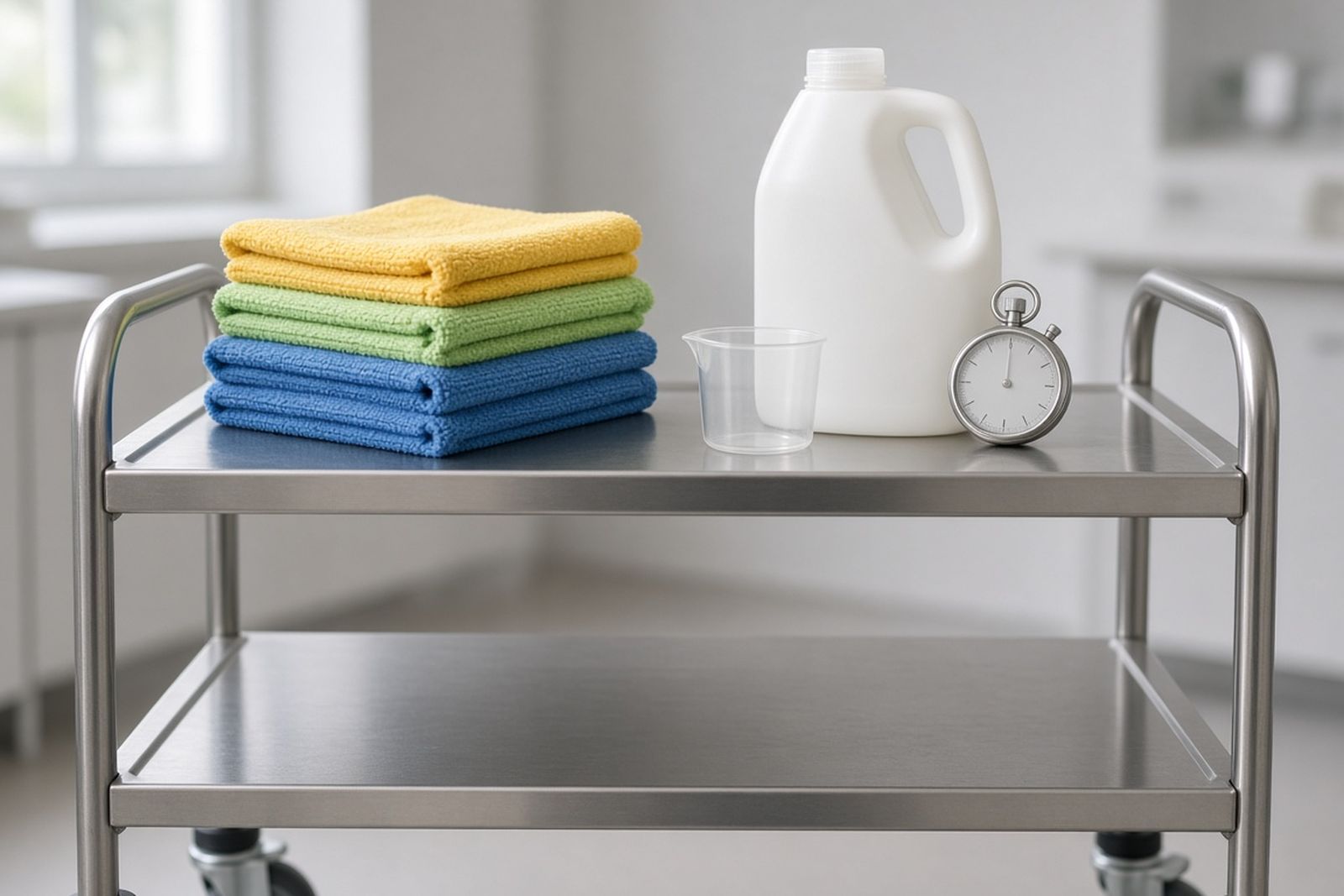
That change made contact time, meaning how long the disinfectant must stay wet, part of everyday work. Every registered disinfectant label says how long a surface must stay wet to kill the germs it claims. Modern crews plan around that number instead of spraying and wiping right away.
The EPA has also made it easier for professionals to find the right products. According to the agency in 2024, List S now combines four retired lists into one list. It covers registered disinfectants with label claims against the bloodborne germs HIV, hepatitis B and hepatitis C. That makes it easier for a company to show an owner that a product fits blood cleanup.
Crews also pay more attention to whether a product is safe for the surface. More and more, they think about whether a disinfectant will harm stone, wood, fabric or plastic. They pick products and methods that protect the property and still follow the label.
Waste handling and documentation
Rules for regulated medical waste grew over time, mostly at the state level. As they did, biohazard companies had to rethink what happened to items after removal. In many places, soaked carpet, used protective gear and needles could no longer just go into a dumpster.
Modern work often includes several steps that were once rare:
Written records grew in importance partly because insurers, landlords and employers began asking for them. A written record shows what was removed, what was disinfected and where the waste went. It became a way to settle questions that once turned into fights. For many owners today, that final packet is worth as much as the cleaning itself.
- Separating regulated waste from regular debris at the site.
- Packing regulated waste in labeled containers that resist leaks.
- Using licensed haulers and treatment sites where the rules require it.
- Keeping tracking or disposal records for each job.
- Giving owners a written scope of work, photos and product details at the end.
- Writing down which workers were on the job and what protection they wore.
What did the COVID-19 pandemic change?
The pandemic brought disinfection into public view on a scale never seen before. Businesses, schools and transit systems suddenly wanted to know how surfaces were being cleaned. Many turned to outside companies for help.
Cleaning routines changed fast. That quick change brought new methods into wider use, such as electrostatic spraying and fogging. It also brought a flood of sales claims.
The same period also raised worries about workers breathing in cleaning chemicals. People also asked whether some high-tech methods worked as well as the ads said. Those questions pushed the field to look more carefully at evidence and worker health.
Some of those changes lasted. Many businesses kept cleaning high-touch surfaces more often. Many owners became more willing to ask detailed questions about products and methods. That public know-how has, in turn, raised what people expect from biohazard companies.
What does the evidence now say about new technologies?
Ultraviolet light devices, foggers, electrostatic sprayers and similar tools are now common in ads. Research suggests they work best as add-ons. They do not replace hands-on cleaning and disinfecting.
For example, a 2023 study by Knobling and colleagues found that hand wiping met the study's goal for disinfection on 98.1 percent of surfaces, compared with 75.5 percent for UV-C light. That comparison comes from one field test on surfaces that were dirty from normal use. But it reflects a wider lesson. Removing dirt and applying disinfectant by hand is still key to reliable results.
For property owners, the practical point is to ask how any tool fits into the whole process. A company that uses a fogger after hands-on cleaning and disinfecting is using it as a helper tool. One that relies on a fogger alone may be skipping the most important steps.
Newer tools also raise their own safety questions for the people who live there and for the building. More owners now ask how long a treated room must stay empty. They ask whether a product leaves residue on surfaces children touch, and whether a device could harm finishes. Those are good questions, and a well-run company should welcome them.
Then and now: one workplace spill
The change is easiest to see in an everyday event. Say a worker is hurt in a small warehouse and bleeds on a concrete floor and a cloth office chair.
Under the older approach, a coworker mopped the floor with bleach, wiped the chair and put the rags in the trash. No one wrote down what was used or how long it stayed wet. The coworker wore only household gloves.
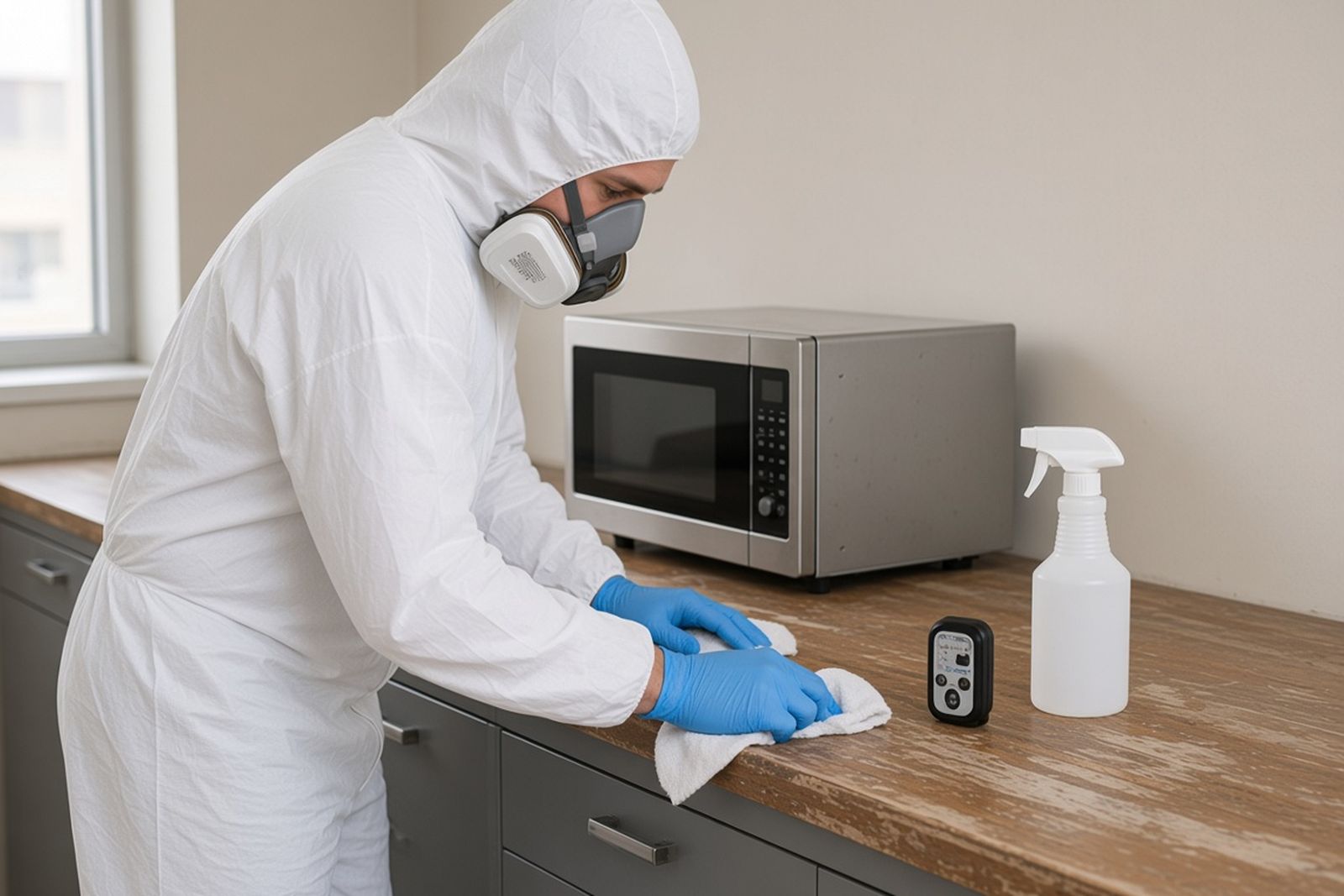
Under the modern approach, the area is closed off. A trained crew in the right protective gear removes the heavy mess and cleans the concrete. They apply a registered disinfectant listed for bloodborne germs and keep it wet for the label's contact time. They throw the chair out as regulated waste. The employer gets a written summary, photos and disposal records.
Both ways might leave the floor looking the same. Only the second shows that the risk was truly handled. That difference is the story of how the field has grown up.
Where biohazard decontamination is heading next
Several trends are shaping the field. More attention is going to dry-surface biofilms. These are thin films that can shield germs from disinfectants. There is also more interest in cleaning chemicals that work well without harming workers or the people who live there. Records are getting more detailed, often with digital photo logs and product records.
Rules are still uneven. Rules for regulated waste, company registration and reporting still vary a lot from place to place. Your state health or environmental agency is the place to confirm what applies to you.
For property owners, the history offers a simple lesson. The best modern companies join the old focus on thorough cleaning with newer habits. These include registered products, full contact times, worker protection, legal waste handling and clear records. When you hire, look for all of those pieces together.