Biohazard Decontamination: Process & What to Expect
Property-specific walkthroughs for biohazard decontamination: assessment, scope approval, hazard controls, material decisions, documentation, verification, and restoration handoff. Not every phase applies to every incident.
Posts in this category follow a biohazard cleanup job from the first call to the final records. They explain what happens during pro cleanup and how long different kinds of events tend to take. They explain why estimates change and what you can safely do in the minutes and hours before a provider arrives. You will see how the steps shift between a blood cleanup, disinfecting shared surfaces after an illness, and a sewage loss. A sewage loss needs water removal and drying of the building before any finish work can happen. Other posts describe how crews control who enters the affected zone. They also cover how crews bag and label removed materials, and what the final walk-through should cover before you sign off.
Get an email reply about biohazard decontamination
Send a short message to the follow-up inbox. A coordinator can reply by email. This form does not send emergency help; call 911 first if anyone is in danger.
Knowing the order of work helps you make the choices that fall to you along the way. You may need to approve removing soaked drywall. You may need to decide which washable items are worth laundering. You may have to accept that drying machines will run for a while after the visible mess is gone. When you know why dirt removal comes before disinfectant, and why drying goals must be met before walls are closed, you can follow the crew's thinking. You are not just waiting for them to finish. Knowing the stages also helps you plan around the disruption. That might mean moving a classroom, closing part of a kitchen, or having family members stay elsewhere while machines run.
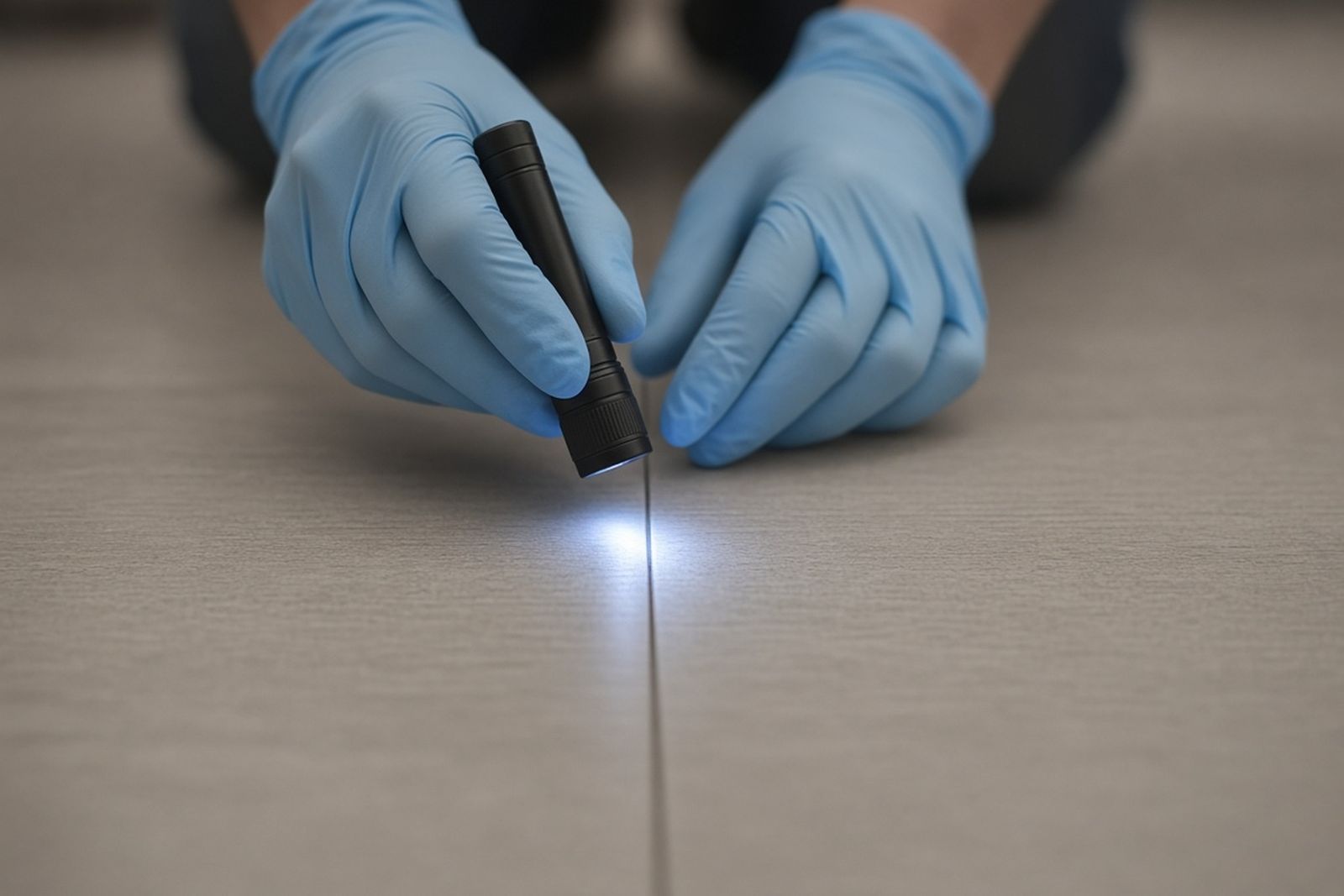
What to Expect During Professional Biohazard Decontamination
From hazard identification to disinfectant dwell time and waste manifests, here is how a professional biohazard decontamination visit usually unfolds.
Expect a professional biohazard decontamination to move through clear stages: an assessment of what the contamination is and how far it spread, setup of protective equipment and containment, removal of visible soil and unsalvageable porous materials, disinfection with a labeled product for its full contact time, optional verification, proper packaging of regulated waste, and a closeout record you can keep.
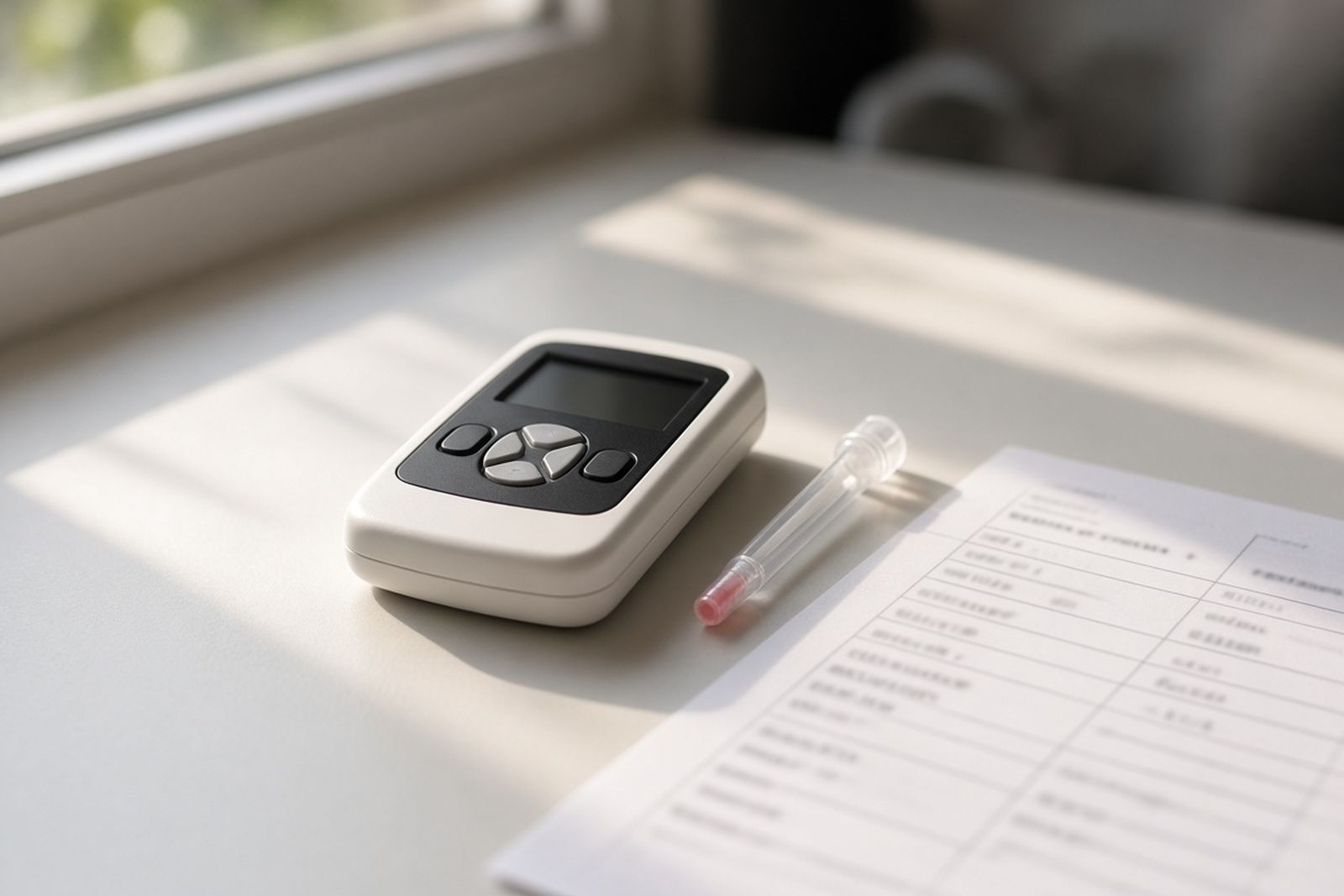
How Long Does Biohazard Decontamination Take?
Scene size, porous materials, contact time, waste pickup and verification all shape how long biohazard decontamination takes. Here is how to read a timeline.
How long biohazard decontamination takes depends on how far the contamination spread, what materials it reached, how much must be removed rather than cleaned, the contact time each disinfectant requires, and how verification and waste pickup are scheduled. A contained spill on hard surfaces may be finished in one visit, while saturated flooring, drywall or HVAC involvement can stretch the work across several days.
Urgent Biohazard Decontamination: What to Do Before a Provider Arrives
Found blood, sewage or bodily fluids and waiting on help? Here is how to protect people, isolate the area and preserve records before a crew arrives.
Before a biohazard decontamination provider arrives, make sure anyone injured has medical help, keep people and pets away from the contaminated area, avoid touching fluids or soiled items without protection, close off the space without spreading material, turn off fans or air handlers that could move droplets, photograph the scene from a distance, and gather information the crew and your insurer will need.
Sourced figures on process & what to expect
- 14,400
In 2023, 2,214 acute hepatitis B cases were reported in the United States, but CDC estimates about 14,400 infections actually occurred.
Read with care: Estimated infections are modeled from reported cases.
Source: CDC (2023)United States, 2023 surveillance with underreporting adjustment
- 2.4-4 million
An estimated 2.4 million to 4 million people in the United States had hepatitis C during 2017-2020.
Read with care: Range reflects survey undercount adjustments.
Source: CDC (2020)United States, 2017-2020 estimate
- 640,000
CDC estimates about 640,000 adults in the United States have chronic hepatitis B.
Read with care: Many infections are undiagnosed, so the source of any blood spill is unknown.
Source: CDC (2023)United States, adults, CDC estimate
These figures are public research and agency data, not this network's own job records. Keep each number with its population, year and limits; none of them predicts cost, timing or outcome at a specific property.
What research has found
Findings from published studies of people and properties in situations like this one. They describe what researchers observed in a specific group; they are not predictions for your case.
Used wipes retained spores during and after wiping.
Transfer risk varied by product chemistry.
Process & What to Expect: common questions
Why do drying machines keep running after the sewage is gone?
Water from a sewage event soaks into framing, subfloor, and the inside of walls, even when the surface looks dry. If those materials are closed up while still damp, bacteria and mold can grow out of sight. Providers use moisture meters to track readings until they reach the drying goal in the written plan. The machines stay until those readings are recorded.
Can staff return to an office while disinfection is underway in another area?
Often yes, if the provider keeps people away from the work zone and manages any shared air flow. Ask for written return instructions for each area. They should say when the disinfectant has stayed wet long enough and whether any surfaces need rinsing. Staff should stay away from the sealed-off area until the provider says it is clear.
What should I leave untouched before the decontamination team arrives?
Leave the soiled material, soaked items, and any sharps where they are. Keep people and pets out of the area. Do not spray household cleaners or run fans that could spread droplets or dust. If sewage is involved, stop using sinks and toilets that drain to the same line. Take photos of the scene from a safe distance for your records.
Will the crew explain each stage as the work moves along?
Many crews will, especially if you ask at the start. Let the crew lead know how much you want to hear. You might want a short update at each stage or only a summary at the end. Agree on how they will reach you and at what points. Clear plans for staying in touch ease worry and help you know when to plan your next steps.
What happens if work has to stop partway because of access or approvals?
The crew should secure the area before leaving. For example, they can keep the plastic walls in place, bag any removed materials, and make sure no one can wander in. Ask what will be left on site and whether anything needs watching. Get a clear plan for when work will start again. Make sure the wait does not leave the mess exposed longer than needed.
Will I be asked to sign anything before the crew leaves?
Many providers ask you to sign a form saying the job is complete. Read it before signing. It should describe what was done. It should not ask you to give up rights or accept work you have not checked. If you have not had a chance to walk through the area, you can note that on the form or ask to sign after you look.
How does the process for sewage differ from a blood cleanup?
Sewage jobs usually cover larger areas. They involve standing water, drying machines, and moisture checks, and they often mean removing more flooring and wall materials. Blood cleanups tend to focus on smaller areas, with careful mapping of where the fluid went. Both involve cleaning, disinfecting, and proper waste handling. But the tools, timeline, and records differ.
Related community polls
Every count is a real visitor vote; nothing is seeded or padded. One vote per poll per device, and you can change your answer.
When you found a biohazard mess, what was your first instinct?
What would most likely make you hire a provider instead of cleaning up yourself?
More on biohazard decontamination
Biohazard Decontamination services
Learn how pro cleanup handles blood, body fluids, and germs in homes, workplaces, and schools. See each step, from the first visit to checked disinfecting and recorded waste removal.
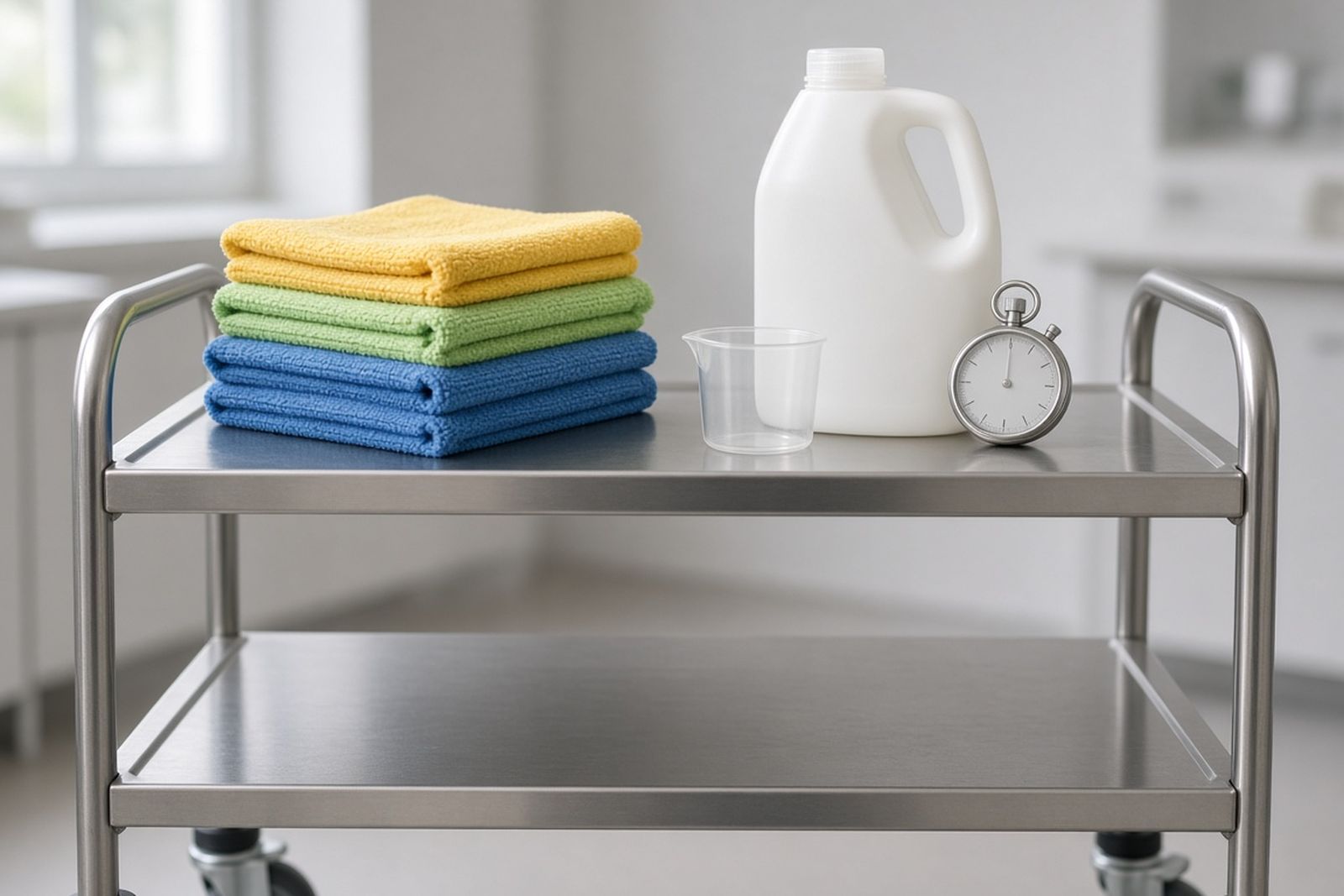
Costs explained
What drives the price, published cost ranges, and how to read a written quote line by line.
Insurance and payment
Which policies may respond, how to document a claim, and what to do if coverage is denied.
Planning tools
Use checklists and planners that help you judge the hazard, plan the first day, sort waste types, and get ready to talk with providers and insurers.
Community polls
See how other owners and managers made choices about body-fluid messes. Compare their instincts with the sourced advice elsewhere on the site.
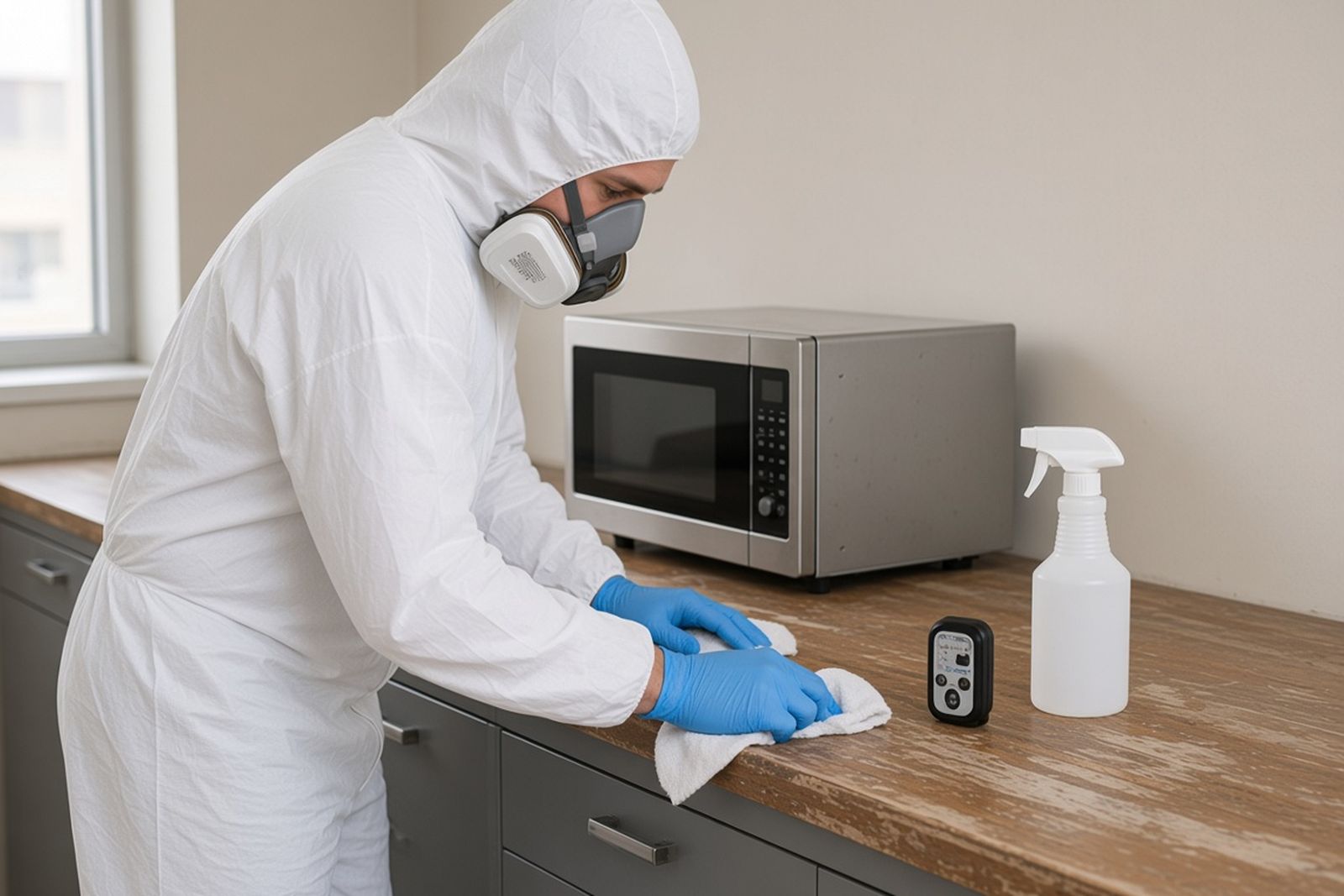
Knowledge quiz
Test what you know about spotting hazards, scene release, containing a mess, disinfecting, waste, and records. A short quiz and study guide explain each idea.