Short answer
Expect a professional biohazard decontamination to move through clear stages: an assessment of what the contamination is and how far it spread, setup of protective equipment and containment, removal of visible soil and unsalvageable porous materials, disinfection with a labeled product for its full contact time, optional verification, proper packaging of regulated waste, and a closeout record you can keep.
What happens when the crew first arrives?
The visit usually starts outside the affected area. A lead technician will ask what happened, when it happened, who has been in the space since and whether anyone tried to clean it. Those questions are not idle. They help the crew understand how far contamination might have traveled and what materials it may have reached.
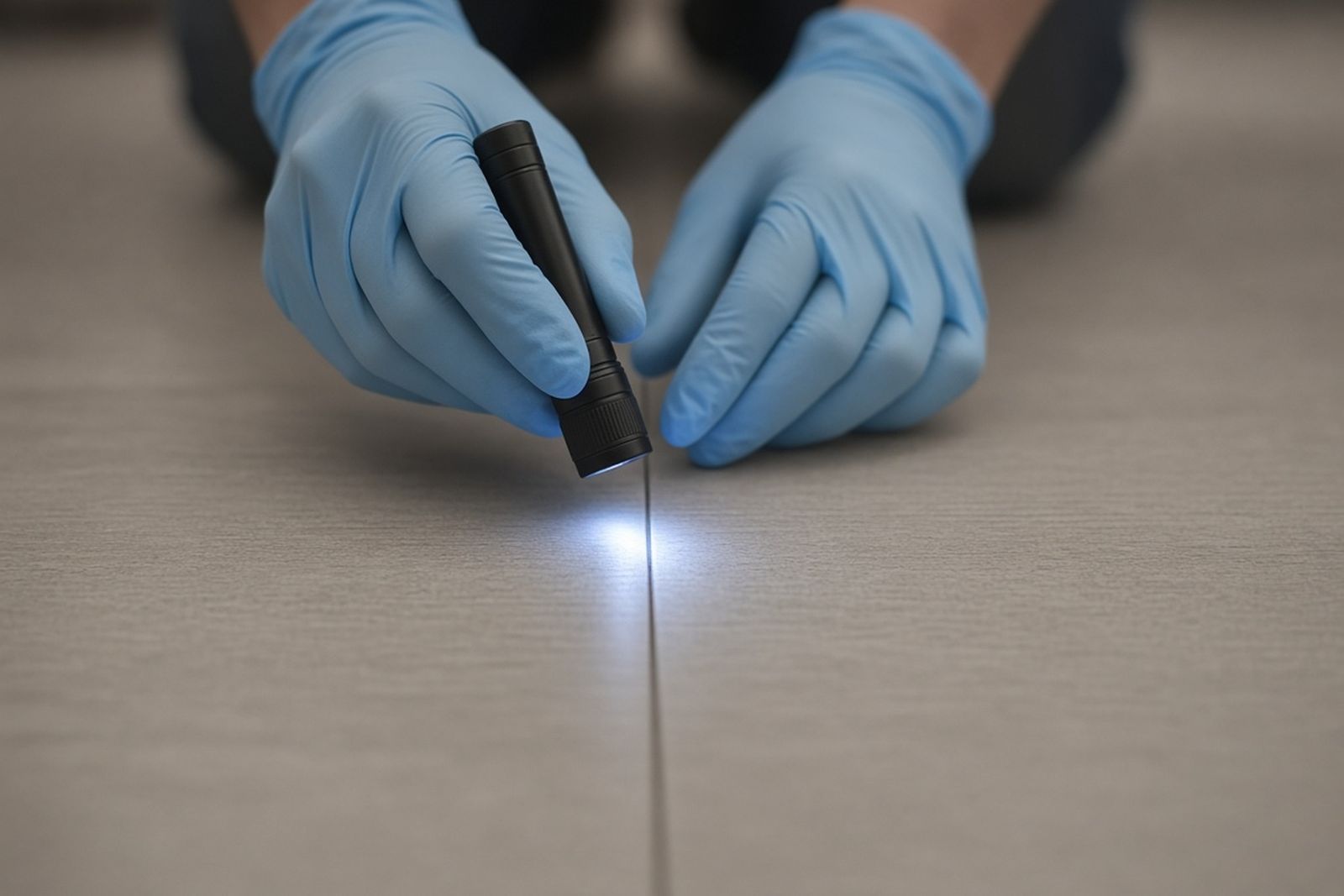
Next comes a walkthrough. The technician looks at flooring, walls, furniture, fixtures and nearby rooms, often using lighting or moisture meters to find fluid that has wicked under baseboards or into subfloor. They may photograph conditions before anything is touched.
You should come away from this stage with a verbal explanation of the plan and, ideally, a written scope. Ask questions freely. A good technician will explain what they intend to clean in place, what they expect to remove and why.
If the event involved a death or injury in your family, you do not need to be present for the walkthrough. Many providers can work with a designated contact and send photographs or updates instead.
Why crews set up barriers and wear so much gear
Biohazard decontamination assumes that blood and other potentially infectious materials may carry pathogens, even when no one knows the health status of the person involved. That assumption is the foundation of how professionals protect themselves and you.
Some pathogens can survive on surfaces for a surprisingly long time, which is one reason crews treat dried material with the same care as fresh material.
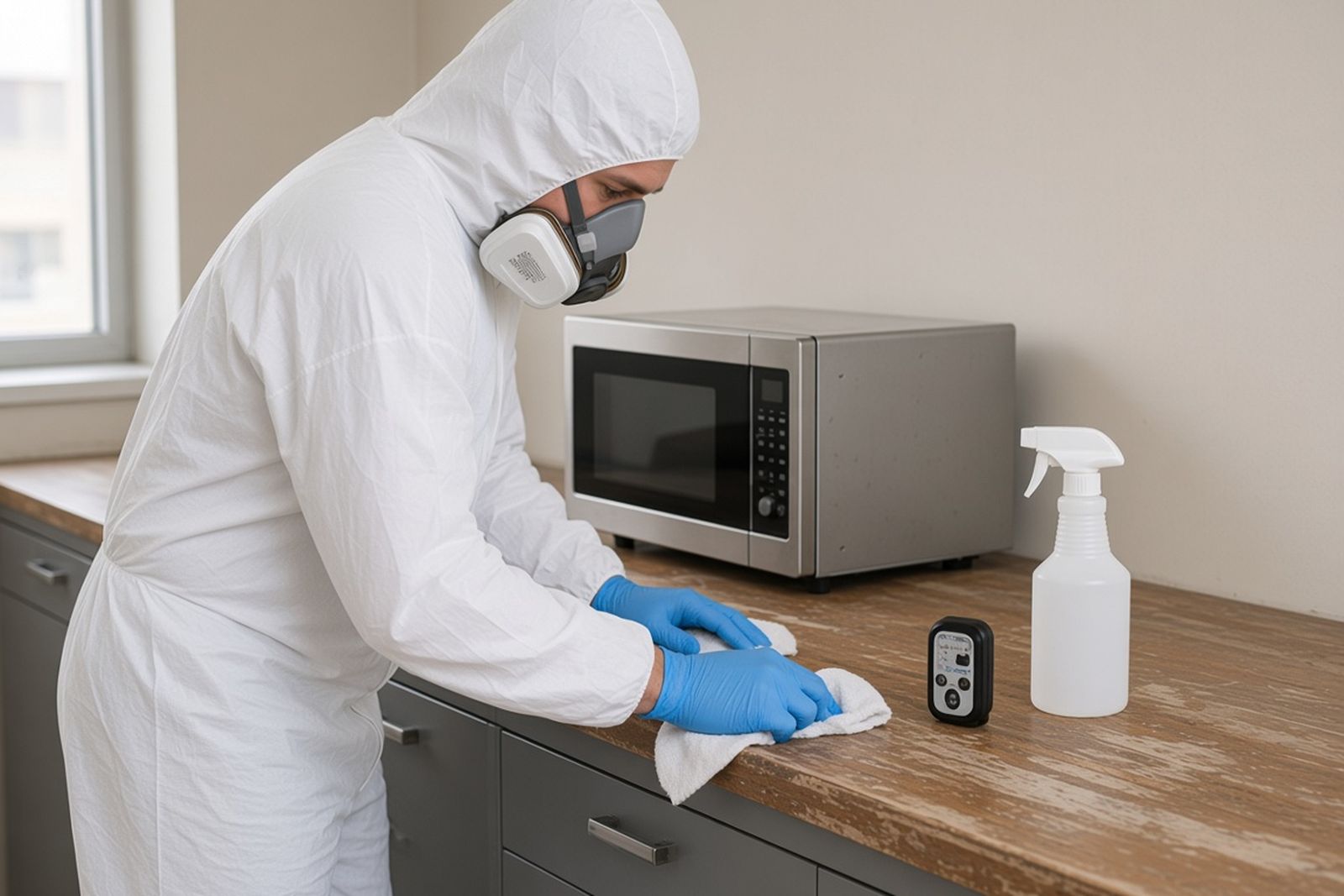
Depending on the job, you may see gloves, eye and face protection, fluid-resistant coveralls, shoe covers and respirators. Plastic sheeting may seal off the work area, and the crew may create a separate zone for putting on and removing protective equipment so contamination does not leave with them.
These precautions can look alarming, but they are routine. They are also a sign that the provider takes worker safety and cross-contamination seriously.
The cleaning and removal stage
Cleaning comes before disinfection. Visible soil, such as blood, tissue, sewage or other organic material, is removed first because it can shield pathogens and weaken many disinfectants. Crews use absorbent materials, scrapers and cleaning solutions suited to each surface.
Porous materials that absorbed fluid are evaluated one by one. Carpet, carpet pad, upholstered cushions, mattresses, drywall and some wood may be cut out and removed when they cannot be reliably decontaminated in place. The crew should tell you what they are removing and why before they do it, except in narrow cases where waiting would spread contamination.
Removed materials are packaged at the point of removal. Items considered regulated waste go into appropriate containers so they do not contaminate hallways or vehicles on the way out.
This stage can be the longest part of the job, especially when fluid migrated into subfloor or wall cavities. Patience here is what makes the next stage effective.
How is disinfection different from cleaning?
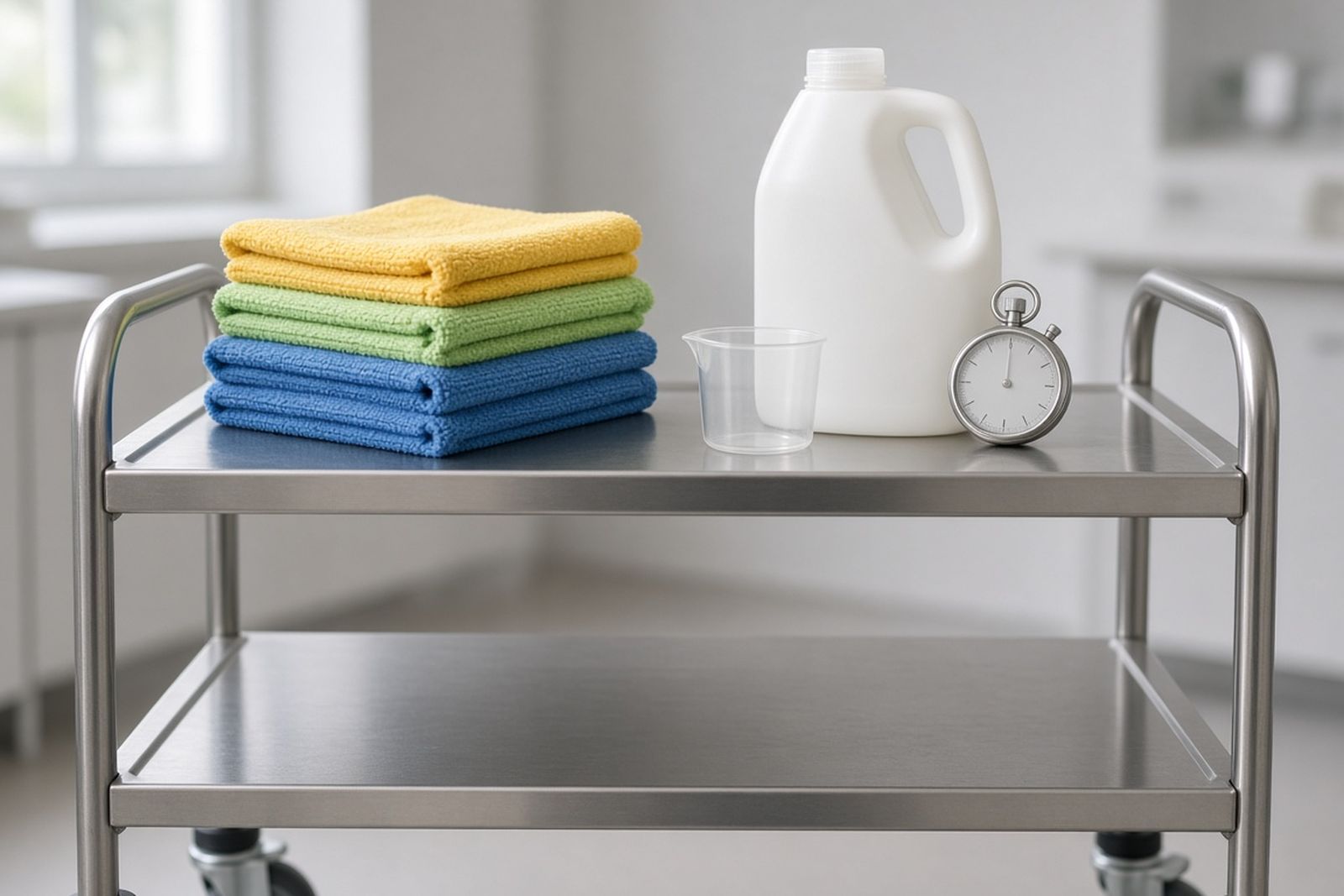
Once surfaces are clean, the crew applies a registered disinfectant chosen for the organisms of concern and the surfaces involved. The product label sets the rules: how to dilute it, which surfaces it is meant for and how long the surface must stay wet to work.
Product choice is not trivial. Products differ in which organisms they are labeled for and how quickly they work, which is why professionals rely on labeled claims instead of whatever cleaner is on hand.
Expect the crew to keep surfaces wet for the full contact time and then wipe or rinse as the label directs. On sensitive materials, they may choose a different product that is compatible with the surface while still meeting the needed claim.
Fogging or electrostatic spraying, if used, should come after cleaning, never instead of it.
Illustration: a small office after a workplace injury
Consider a small accounting office, described here as an illustration. An employee at a small accounting office cuts their hand badly on a broken glass tabletop. Coworkers call emergency services, and the employee is treated at a hospital. Blood remains on the carpet, a chair, the tabletop frame and a hallway leading to the restroom.
The office manager closes the affected area and calls a biohazard decontamination provider. The technician walks the space, notices drips on the hallway carpet that staff had missed and checks under the chair mat.
The crew removes the stained section of carpet and pad under the desk, bags the upholstered chair as regulated waste, cleans and disinfects the metal table frame and the hard flooring near the restroom, and cleans the hallway carpet with a method suited to the fibers. They document each product and its contact time.
The manager receives a closeout report the next morning and schedules a carpet installer for the patch. The sequence mirrors what many offices experience.
How will the provider show the job is complete?
There is no single universal test that proves a space is free of every pathogen. Instead, providers combine visual inspection, adherence to labeled contact times and, where appropriate, surface testing.
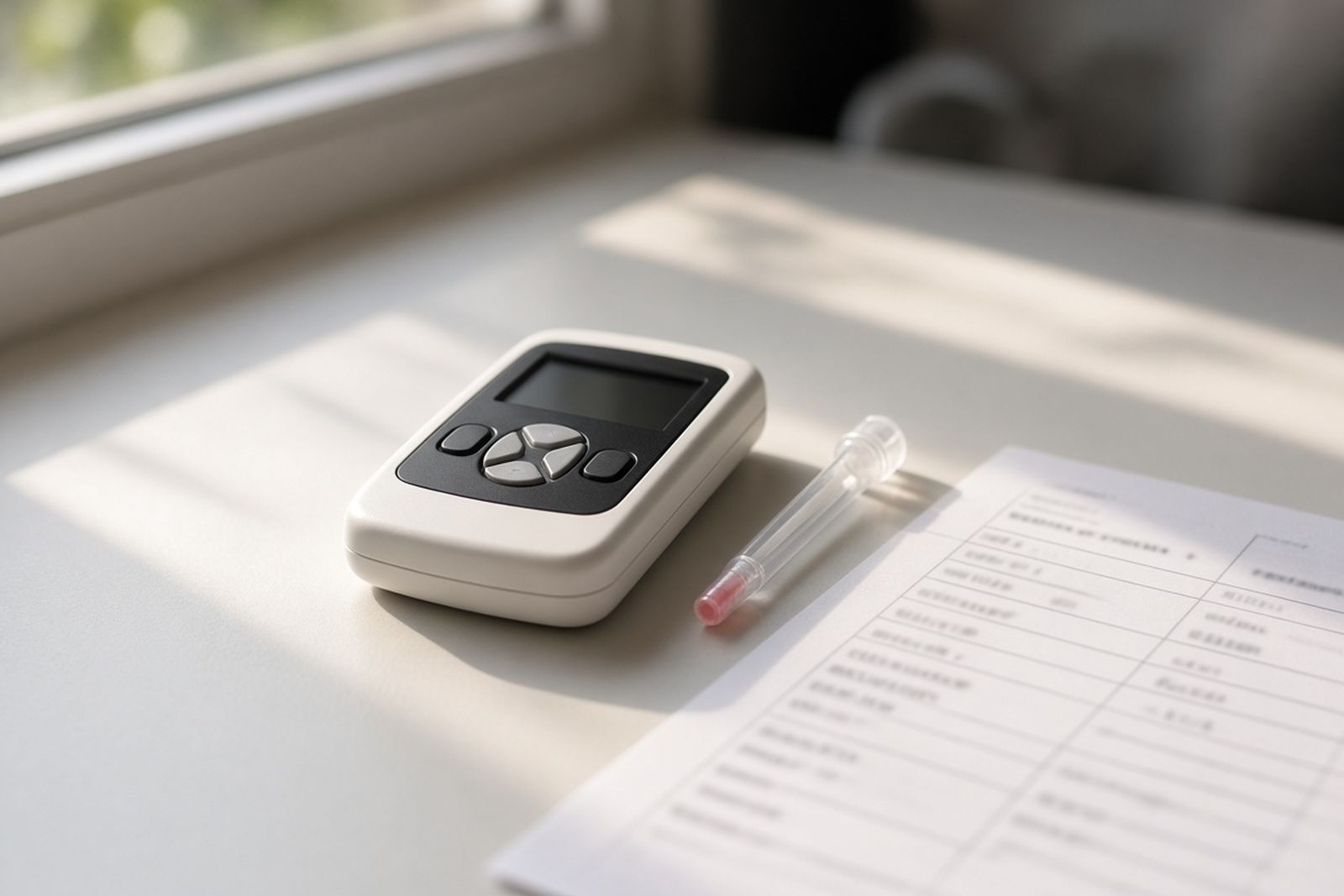
Some providers use ATP testing on critical hard surfaces. ATP readings measure organic residue, not specific pathogens, so they are best understood as a check on cleaning thoroughness rather than proof of disinfection. Ask the provider how they use the results and what they do if a reading is high.
The final walkthrough should include you or your designated contact. Look at the areas treated, ask about anything that concerns you and confirm which items were removed.
If odor remains, ask whether the source has been found. Persistent odor after biohazard work usually means some contaminated material is still present.
Records you should receive at the end
Documentation matters for your peace of mind, for insurance and, in workplaces, for safety records. Ask in advance what the closeout package will include.
- A summary of the event, the areas assessed and the areas treated.
- Before, during and after photographs, taken respectfully.
- Disinfectant product names, EPA registration numbers and contact times used.
- A list of removed materials by location.
- Waste handling records, such as manifests or disposal receipts, where applicable.
- Any verification results and how they were interpreted.
- Notes on items left for another contractor, such as rebuilding or painting.
How long the work takes
Duration depends on the size of the affected area, how deeply fluids penetrated and how much material must be removed. A contained spill on a hard floor may take a few hours. A multi-room event with saturated subfloor can stretch over more than one day, especially if the crew must wait for areas to dry before disinfecting them.
Your provider should give you a working estimate after the walkthrough and update you if they find more contamination than expected. It is reasonable to ask for a quick call or text at the end of each work period so you know where things stand.
Can you stay in the building?
Whether you can stay depends on the layout. In a house with a separate living area and its own entrance, occupants sometimes remain while the crew works behind barriers. In an apartment or a small home, it is often easier and safer to stay elsewhere until the work and any re-entry period are finished.
Pets and workplaces during the job
Pets deserve special attention. Animals can walk through barriers, lick surfaces and carry contamination to other rooms. Arrange for them to stay with a friend, a boarding facility or in a closed-off part of the home the crew is not using.
In a business, plan for the affected area to be closed to staff and visitors. Post a simple sign, redirect foot traffic and let the crew know about any shared ventilation or elevators they should account for.
What will you need to do after the crew leaves?
Most spaces can be used again once the crew confirms the work is complete and any product-specific re-entry time has passed. Ask when children, pets and anyone with a weakened immune system can return.
Rebuilding is often handled by a separate contractor. The biohazard provider should tell you when the space is ready for that handoff and whether any exposed framing or subfloor was sealed.
For questions about waste, workplace reporting or rental property requirements, start with your local health department. If the event involved a loved one's death or a crisis, you can call or text the 988 Suicide and Crisis Lifeline at any time for support.