Biohazard Decontamination: Safety
Hazard-assessment articles for biohazard decontamination, including when bloodborne, chemical, respiratory, sharps, structural, or waste controls may apply. PPE and containment must follow the actual exposure—not a universal checklist.
Safety posts focus on the hazards people underrate when a biohazard mess turns up without warning. They compare DIY and pro approaches. They outline the risks a provider should assess before work starts. They explain why safety gear has to follow a hazard check, not a one-size-fits-all kit. You will read about splashes and fine droplets in the air, hidden sharps, and slippery floors after sewage events. You will also read about the danger of mixing household chemicals while rushing to clean up. Other posts explain how germs travel on shoes, tools, and cleaning rags. They explain why a provider sets up clean and dirty zones even inside a small bathroom or break room.
Get an email reply about biohazard decontamination
Send a short message to the follow-up inbox. A coordinator can reply by email. This form does not send emergency help; call 911 first if anyone is in danger.
These topics matter because the urge to clean right away can backfire. It can spread germs to clean rooms, expose you through cuts or splashes, or create toxic fumes. Knowing which small, contained events a prepared person might handle, and which call for trained crews, helps you protect your family, tenants, or staff. The posts also explain what to watch for when you go back into a space after cleanup is done. They cover practical steps too. These include shutting off a soiled drain and keeping air systems from pulling odors into clean rooms. They also cover deciding when someone with a weak immune system should stay away until the work is finished.
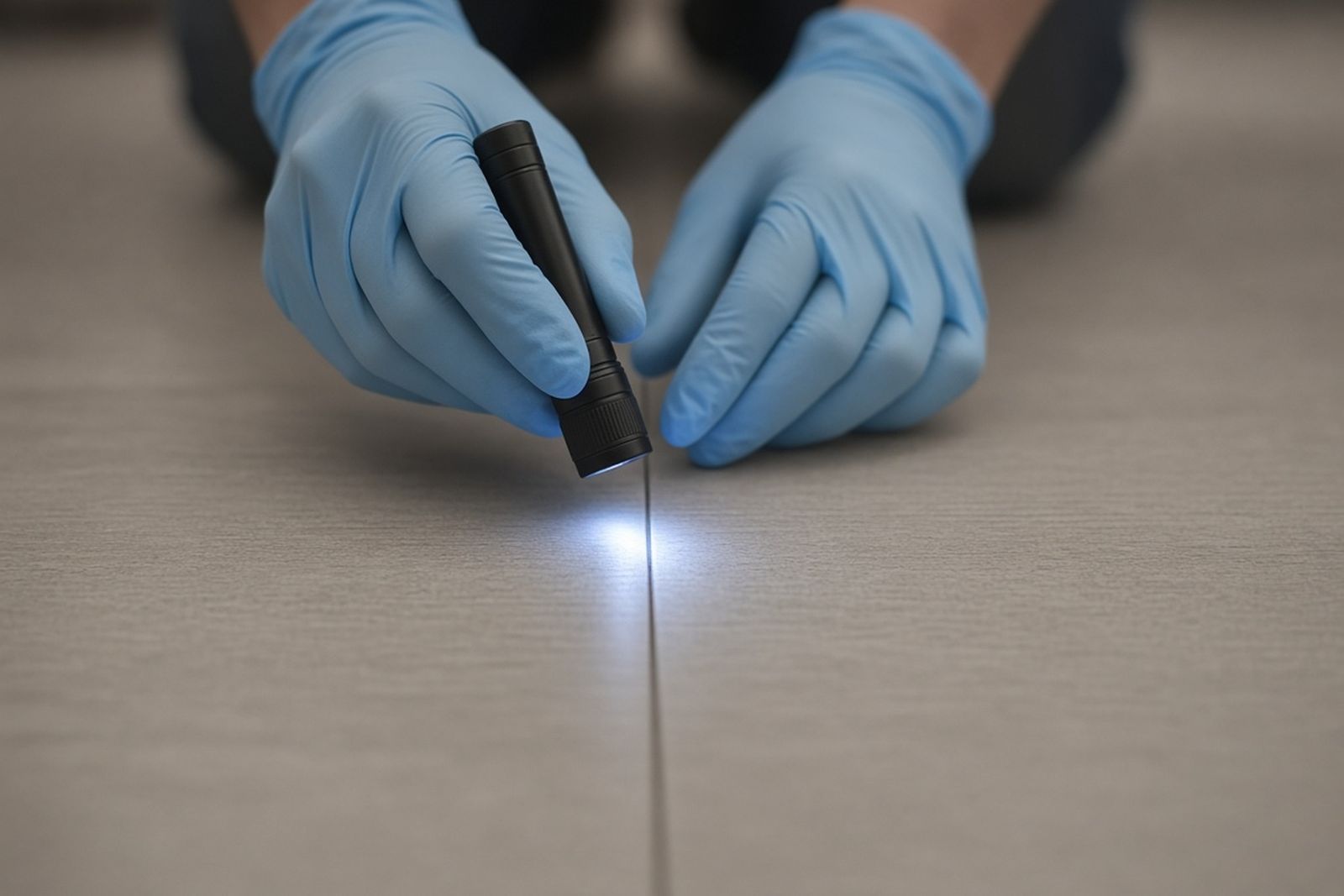
DIY vs Professional Biohazard Decontamination: The Critical Differences
When a small blood spill is safe to handle at home, when it is not, and the real gaps between DIY and professional biohazard work in gear, method and waste.
A small, fresh spill of blood or body fluid on a hard, sealed surface can often be handled safely at home with gloves, detergent, a registered disinfectant and careful disposal. Professional decontamination is the safer choice when fluids have soaked into porous materials, spread across rooms, involve sharps, or come from an unknown source, and when regulated waste handling or documentation is needed.
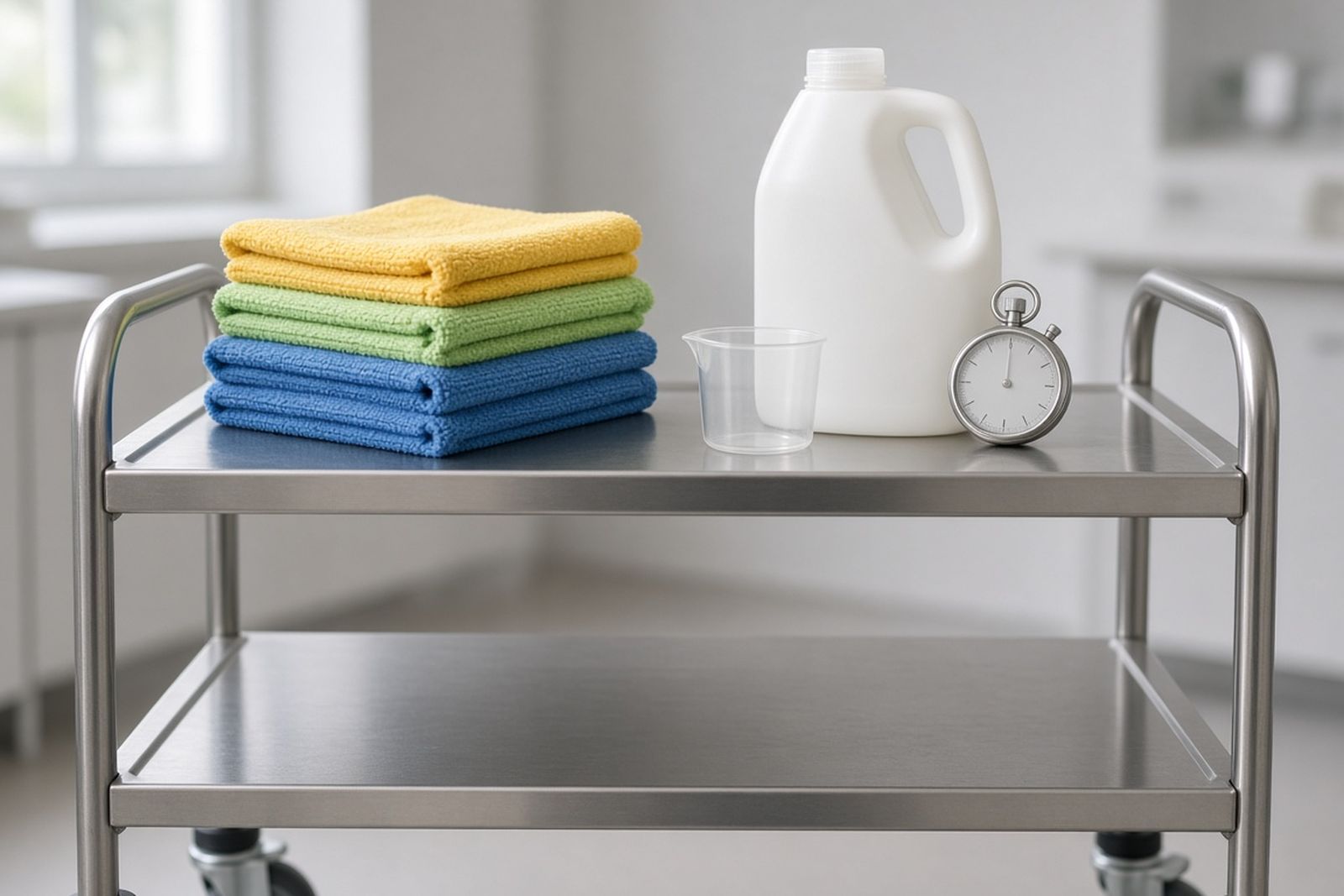
10 Biohazard Decontamination Safety Risks to Assess Before Work Begins
Bloodborne pathogens, hidden sharps, chemical fumes, saturated subfloors and heat stress: ten biohazard decontamination risks to size up before work starts.
Before biohazard decontamination begins, assess ten risks: bloodborne pathogens, hidden sharps, fluid migration into porous materials, aerosols from dried material, disinfectant fumes and chemical mixing, cross-contamination, electrical and structural hazards, heat stress in protective gear, improper waste handling, and the emotional toll on occupants. Each one shapes the protective equipment, methods and sequence the crew should use.
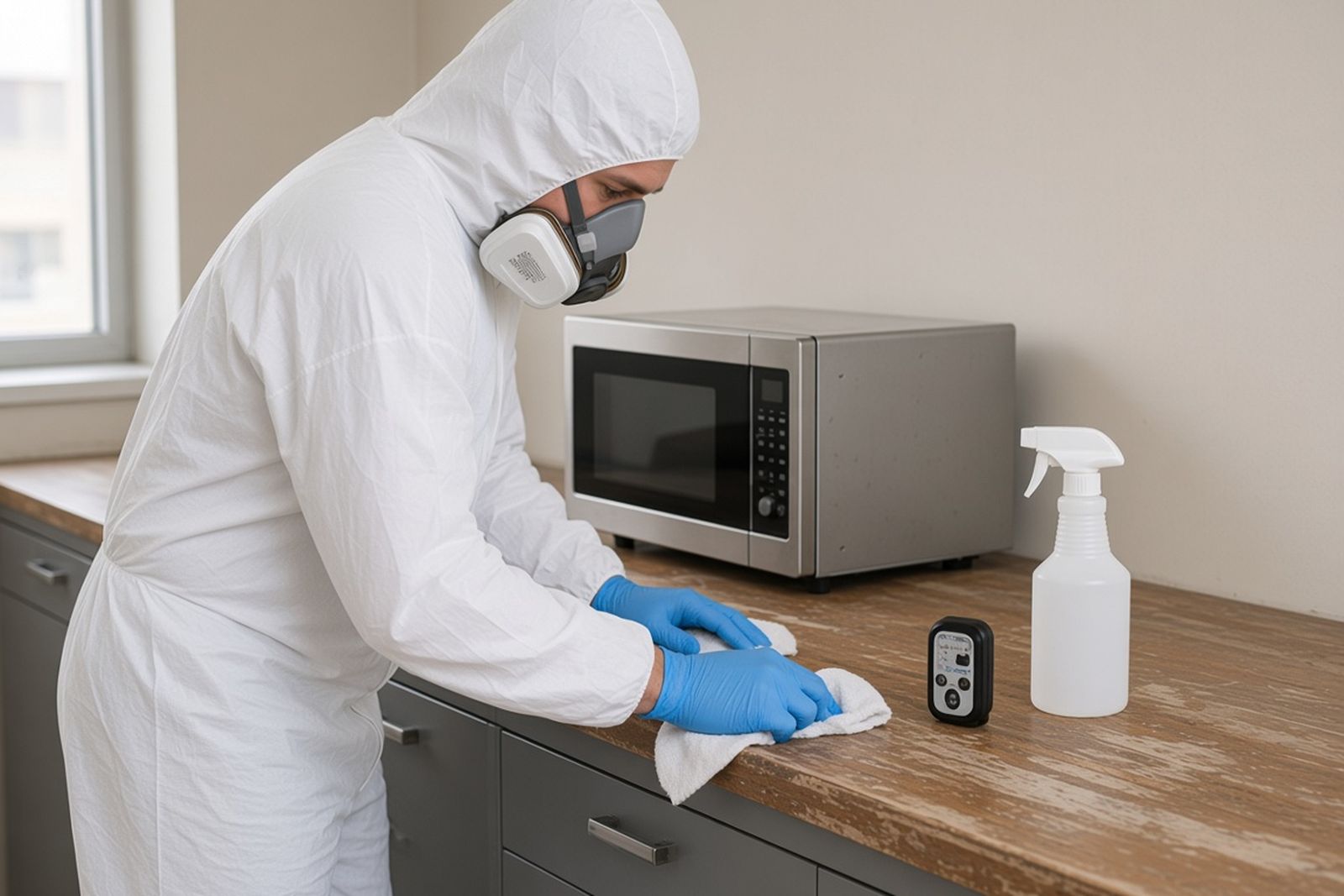
PPE Planning for Biohazard Decontamination: Start With the Hazard Assessment
Why PPE for biohazard decontamination starts with a written hazard assessment, how crews match gloves, suits and respirators to fluids, and what to look for.
PPE for biohazard decontamination should be chosen after a written hazard assessment, not pulled from a standard kit. The assessment looks at what fluid or material is present, how much, where it has soaked in, which disinfectants will be used and how the work will be done. Those answers decide the gloves, body coverage, eye and face protection and any respirator a technician wears.
Sourced figures on safety
- 18 million
OSHA counts approximately 18 million workers in the U.S. health care industry, many of whom are at risk of occupational exposure to bloodborne pathogens.
Read with care: Not all 18 million have occupational exposure.
Source: OSHA (2024)United States, health care industry workforce
- 69,000
In 2023, 4,966 acute hepatitis C cases were reported in the United States, while CDC estimates about 69,000 infections occurred.
Read with care: Modeled estimate.
Source: CDC (2023)United States, 2023 surveillance with underreporting adjustment
- 240 million
WHO estimates 240 million people were living with chronic hepatitis B in 2024, and the infection caused about 1.1 million deaths that year.
Read with care: Global figures; U.S. prevalence is far lower.
Source: World Health Organization (2024)Global, 2024 estimates
These figures are public research and agency data, not this network's own job records. Keep each number with its population, year and limits; none of them predicts cost, timing or outcome at a specific property.
What research has found
Findings from published studies of people and properties in situations like this one. They describe what researchers observed in a specific group; they are not predictions for your case.
Used wipes retained spores during and after wiping.
Both methods reduced cultured bacterial contamination.
Safety: common questions
Is it safe to mix bleach with other cleaners on a biohazard spill?
No. Bleach can release dangerous gases when mixed with ammonia cleaners, acids, and some other products. During a stressful cleanup it is easy to layer products without reading labels. Use a single product as its label directs, and let in fresh air as needed. Leave larger or mixed spills to a provider who can choose chemicals that work safely together.
What protective equipment do responders wear for sewage cleanup?
The gear depends on the hazard check. Sewage work often calls for waterproof gloves, boots, eye protection, and body covering to keep sewage off the skin and stop splashes. Crews add breathing protection when droplets in the air or mold are a concern. Ask your provider how it chose gear for your job. Ask how crews take it off without carrying germs out.
Should I keep pets away from an area after biohazard cleanup?
Keep pets out until the provider confirms three things. The disinfectant has stayed wet for its full time, any needed rinsing is done, and surfaces are dry. Animals often lick floors and paws, so leftover residue matters more for them. Ask whether any products used have label warnings for animals. Walk the space yourself before you let pets back in.
Are there hazards in the room besides the biological material?
Often, yes. Broken glass, damaged flooring, electrical problems, and chemicals stored nearby can all create risks. Heat and poor air flow can add strain for anyone working in safety gear. A careful provider looks for these hazards during the first visit. If you know of any, mention them when you first call.
What should I do if fluid touched my broken skin, eyes, or mouth?
Wash skin with soap and water. Flush your eyes or rinse your mouth with clean water right away. Then contact a doctor or urgent care quickly and explain what happened. Some follow-up care works best when it starts early. If it happened at work, tell your supervisor so the proper reporting and follow-up can begin.
Can children safely use a room the same day it was disinfected?
That depends on the product and how the space was aired out. Some labels say when it is safe to go back in, and the provider should tell you when the room is ready. Ask about children in particular, since they touch surfaces and put their hands in their mouths more often. For some products, wiping often-touched surfaces with water afterward may be advised.
How can I keep contamination off my shoes and clothes while waiting for help?
Stay out of the affected area, and keep the door closed if you can. If you must pass nearby, do not step on any visible material. Check your shoes before you walk through the rest of the property. If your shoes or clothes do get soiled, take them off carefully and bag them until you can clean or throw them out.
Related community polls
Every count is a real visitor vote; nothing is seeded or padded. One vote per poll per device, and you can change your answer.
When you found a biohazard mess, what was your first instinct?
What would most likely make you hire a provider instead of cleaning up yourself?
More on biohazard decontamination
Biohazard Decontamination services
Learn how pro cleanup handles blood, body fluids, and germs in homes, workplaces, and schools. See each step, from the first visit to checked disinfecting and recorded waste removal.
Costs explained
What drives the price, published cost ranges, and how to read a written quote line by line.
Insurance and payment
Which policies may respond, how to document a claim, and what to do if coverage is denied.
Planning tools
Use checklists and planners that help you judge the hazard, plan the first day, sort waste types, and get ready to talk with providers and insurers.
Community polls
See how other owners and managers made choices about body-fluid messes. Compare their instincts with the sourced advice elsewhere on the site.
Knowledge quiz
Test what you know about spotting hazards, scene release, containing a mess, disinfecting, waste, and records. A short quiz and study guide explain each idea.