Short answer
How long biohazard decontamination takes depends on how far the contamination spread, what materials it reached, how much must be removed rather than cleaned, the contact time each disinfectant requires, and how verification and waste pickup are scheduled. A contained spill on hard surfaces may be finished in one visit, while saturated flooring, drywall or HVAC involvement can stretch the work across several days.
Why won't anyone give you an exact time over the phone?
When you call a decontamination company, you may hear a range or a promise to confirm after an assessment. That can feel evasive, especially when you are anxious to have your home or workplace back. In most cases it is simply honest.
Biohazard contamination rarely stays where it first appears. Fluids seep under baseboards, through flooring seams and into the backs of cabinets. Until a technician can see those areas, lift a corner of carpet or check a subfloor, any time estimate is a guess.
A company that quotes a firm duration without seeing the site may be planning to clean only what is visible. That can make the job look faster, but it often means someone has to come back later when odor or staining returns.
What a responsible company can tell you before the visit is which details will move the estimate. Expect questions about the type of flooring, whether anyone has already tried to clean, how long ago the incident happened, and whether fluid reached furniture, walls or a lower floor. Your answers help them bring the right crew size and materials on the first trip.
The main phases, and which ones take longest
Most biohazard decontamination jobs move through the same sequence. Knowing the phases helps you see where time goes and which steps cannot be rushed.
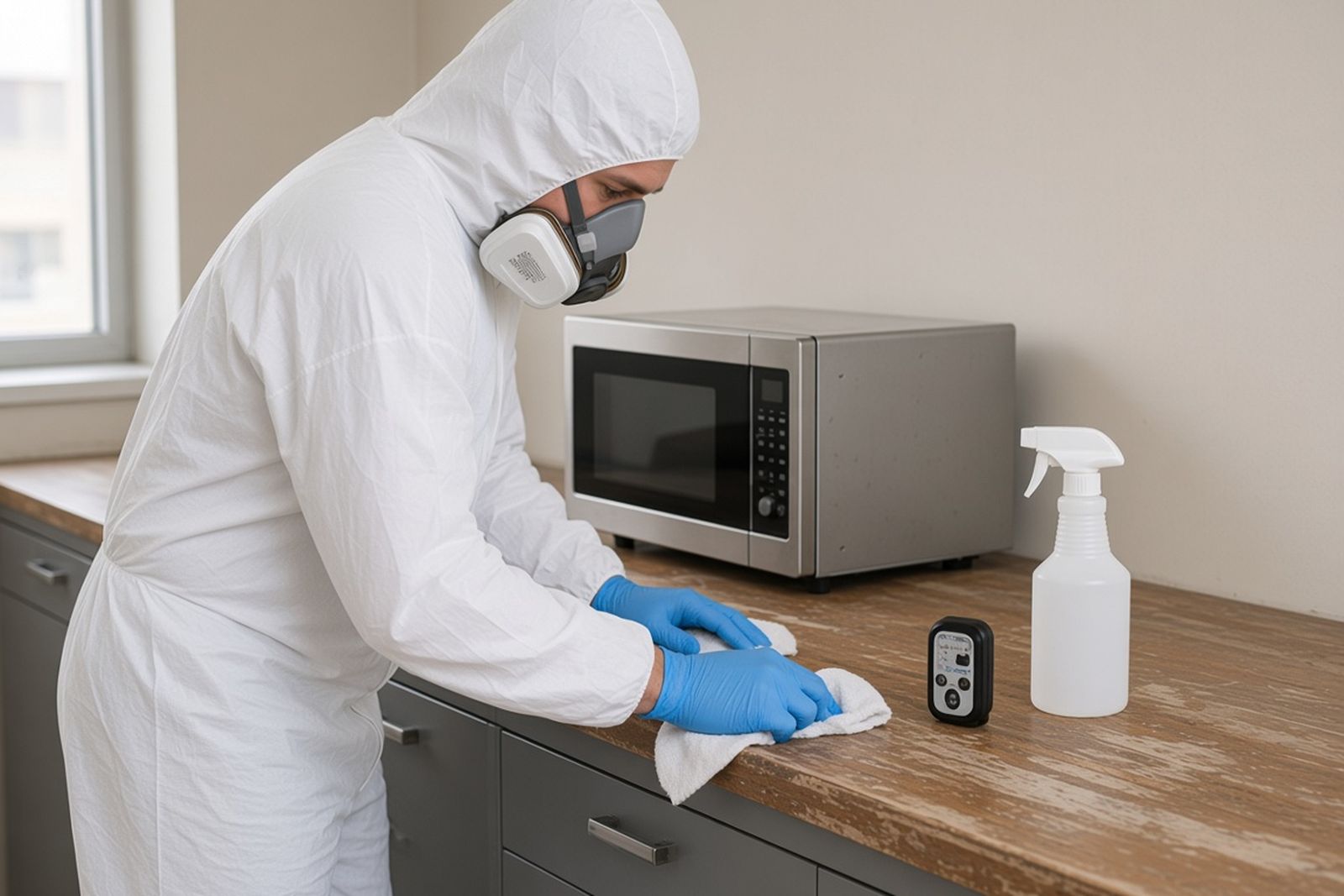
- Assessment: walking the site, identifying affected materials, checking for sharps or other hazards and writing a scope.
- Setup: establishing a clean zone and a contaminated zone, laying protective coverings and bringing in containment if needed.
- Gross removal: absorbing and bagging bulk material, and cutting out saturated porous materials such as carpet pad or drywall.
- Cleaning: detergent washing of hard surfaces to remove organic soil before any disinfection begins.
- Disinfection: applying a registered disinfectant and keeping it wet for the full labeled contact time.
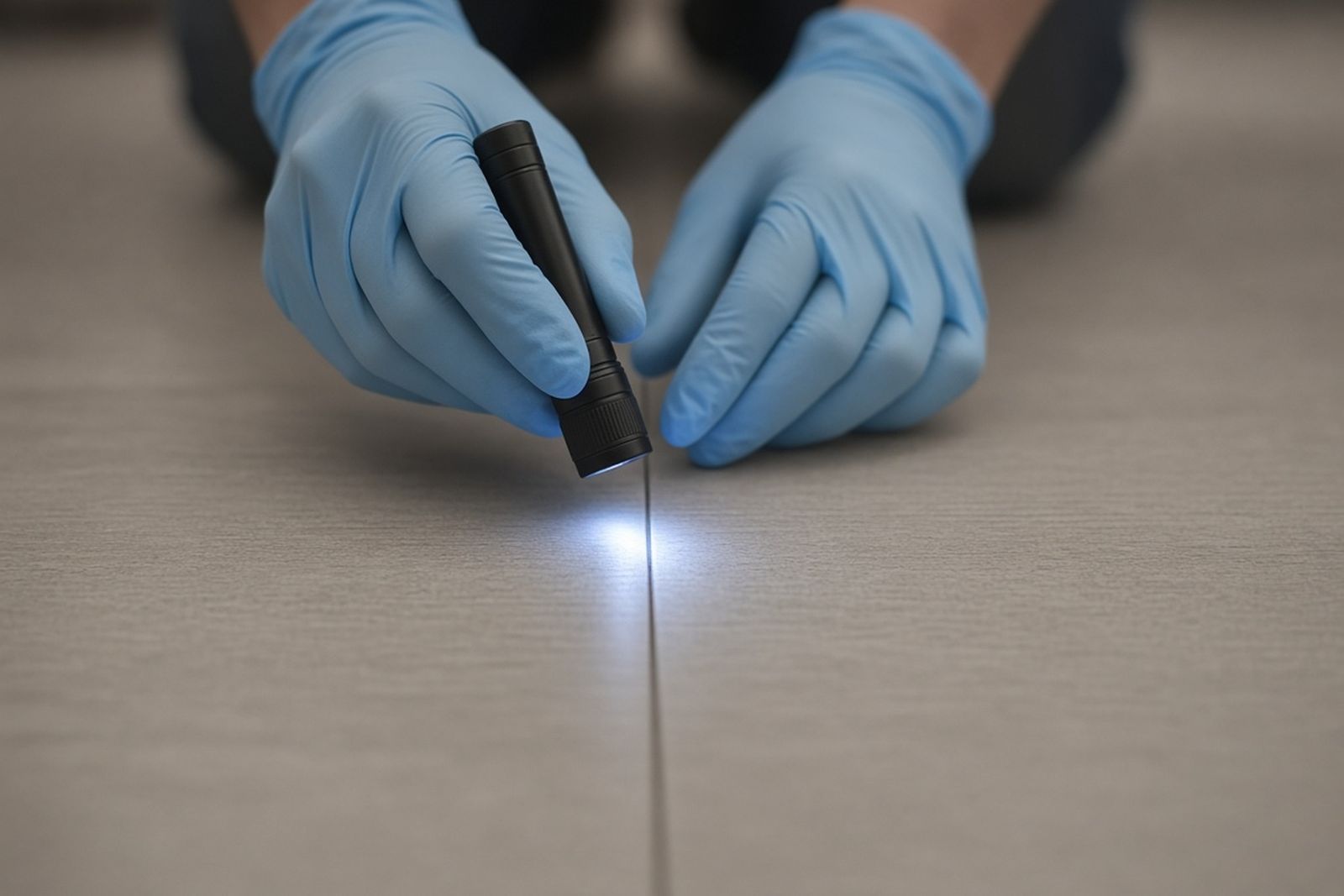
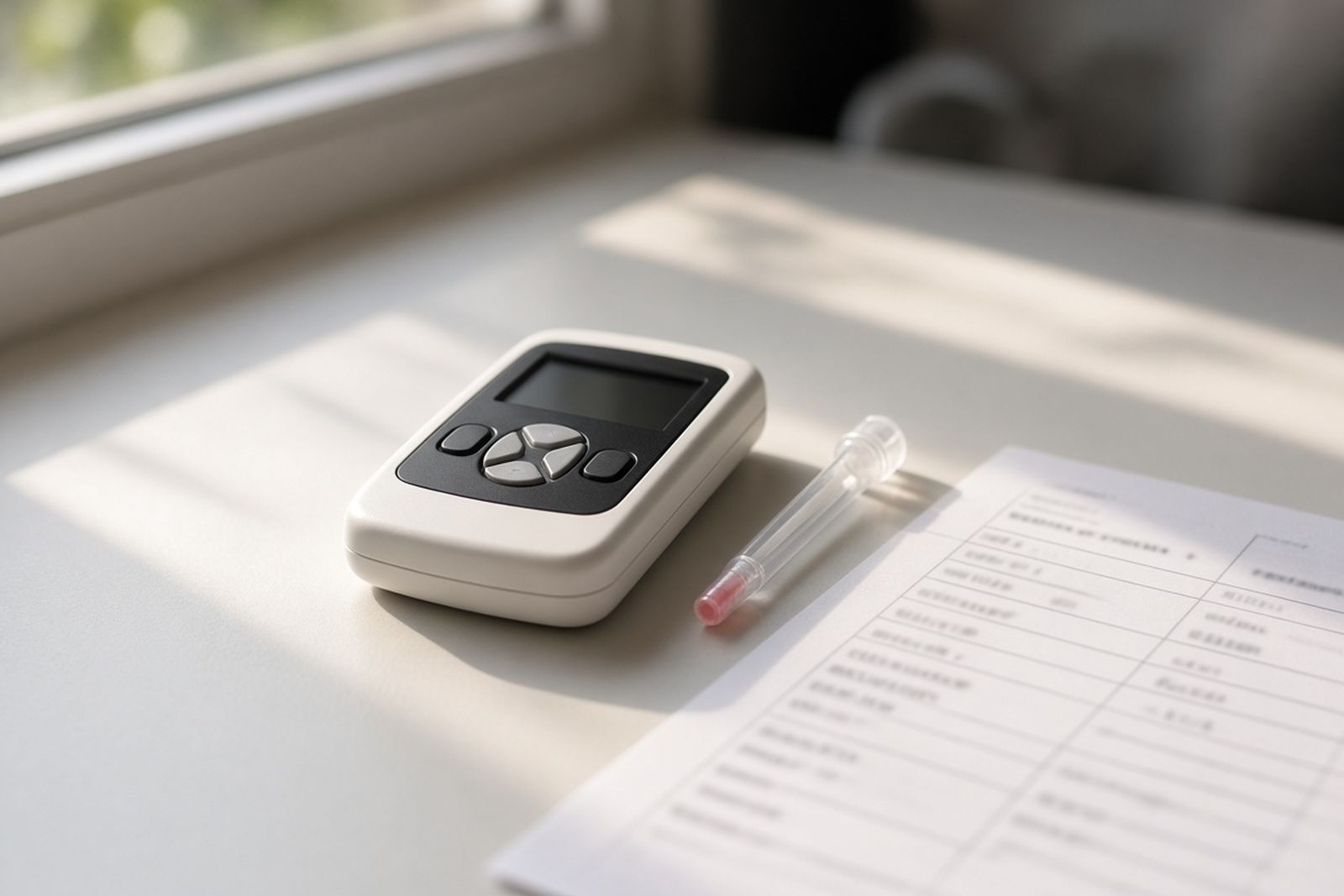
- Verification: inspecting seams, edges and adjacent areas, and in some cases using ATP or other checks.
- Waste packaging and pickup: sealing regulated waste in approved containers and arranging transport.
- Handoff: a walkthrough with you and delivery of documentation.
Spread, age and porous materials
A small, fresh spill on a sealed surface is the quickest kind of job. It can often be removed, cleaned and disinfected in a single visit because the fluid has not had time to migrate and the surface does not absorb it.
Time grows with spread. A spill that was walked through and tracked into other rooms needs each footpath traced and treated. Fluids that ran down a wall, pooled against a cabinet toe kick or dripped through to a lower floor add whole new work areas.
Vertical spread is easy to underestimate. In a multi-story building, fluid can move through a floor into the ceiling below. Crews may need to open that ceiling, which introduces another room, more containment and more waste.
Age of the contamination also matters. Many people assume that waiting a while makes a site safer, but that is not something you can count on. CDC stated in 2024 that hepatitis B virus remains infectious for at least 7 days on environmental surfaces. Older material is also more likely to have dried, soaked in or spread, which tends to add time rather than save it.
Porous materials such as carpet, pad, upholstery, mattresses, unsealed wood and drywall absorb fluid. Once saturated, they generally cannot be decontaminated reliably and are removed. Removal takes longer than cleaning because each piece has to be cut carefully, bagged without spreading contamination and replaced later.
Removal can also reveal more work. Pulling carpet may show fluid on the tack strip and subfloor. Cutting drywall may show residue on the framing. Each discovery means more cleaning and disinfection before the area is ready.
When you receive a scope, look for how many square feet of porous material are listed for removal. That figure is usually the best single predictor of how long the job will run.
Furniture and personal belongings follow the same rule. A hard chair can usually be cleaned on site, while a fabric recliner may need to be wrapped and removed. Deciding in advance what you want to keep speeds this part of the job considerably.
Does disinfectant contact time really slow the work down?
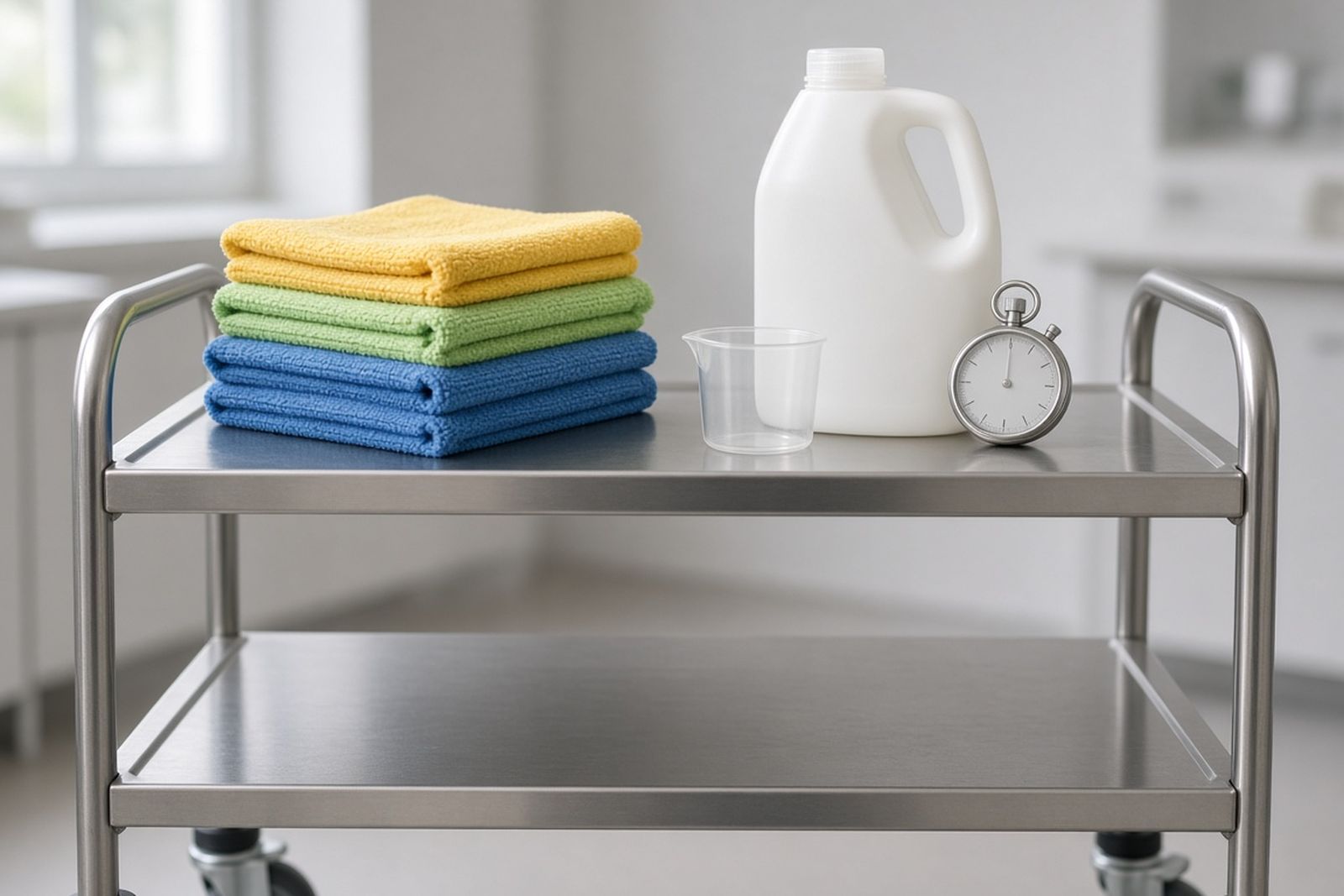
It does, and it should. Every registered disinfectant lists a contact time on its label, which is how long the surface must stay wet for the product to achieve its claims. Some products work quickly. Others require substantially longer dwell periods, particularly for tougher organisms.
Crews usually plan around this by working in sections. While one area is dwelling, technicians move on to cleaning the next. Even so, large or complex areas can involve waiting that a customer never sees if they are not on site.
Surface choice affects this too. Some materials are sensitive to strong chemistry, so a technician may choose a gentler product with a longer contact time to avoid damaging finishes. That trade adds time but protects your property.
Drying time follows disinfection. Surfaces that were washed and treated need to dry before they are sealed, painted or covered with new flooring. Crews may run air movers or dehumidifiers to speed this along, but pushing a rebuild onto a damp subfloor can trap moisture and create a new problem with mold or odor.
Outside factors that delay the start or finish
Some delays have nothing to do with the cleaning itself. Access is a common one. If the site is part of an investigation, the controlling agency must release it before work begins. Landlords, property managers or condominium associations may need to approve access or schedule shared spaces.
Insurance can also affect timing. An adjuster may want to see the damage or review a scope before approving work. Many companies can document the site and begin urgent safety steps while those conversations happen, but the full scope may wait.
Waste logistics matter. Regulated medical waste has to be picked up by an authorized hauler. Rules vary by state and county; verify with the local authority how long waste may be stored on site and what paperwork must accompany it.
Finally, rebuilding is separate. The decontamination company usually leaves the space clean and safe but stripped where materials were removed. Replacing flooring, drywall or cabinets is often handled by a different contractor on a separate timeline.
How you can help keep the job on schedule
You can shorten delays without rushing the technical work. Small steps on your side often save time on theirs.
- Keep people and pets out of affected areas so contamination does not spread further.
- Turn off fans and avoid running HVAC in the affected space unless the crew advises otherwise.
- Gather access details, such as keys, alarm codes and building contacts, before the crew arrives.
- Tell your insurer early and ask what documentation the adjuster needs.
- Decide in advance which personal items you want recovered, cleaned or discarded.
- Confirm who will handle rebuilding so that work can be scheduled once decontamination is complete.
What a reliable timeline estimate includes
A good estimate is honest about uncertainty. Instead of a single number, it should break the job into phases with expected duration for each, note which phases could expand if hidden contamination is found, and explain what will happen if that occurs.
Ask the company how they will communicate changes. A quick call or message with photos when something new is discovered keeps you informed and lets you approve additional work without surprises.
It is reasonable to want your space back quickly. The fastest safe outcome comes from a thorough first visit, because every shortcut that leaves contamination behind means another visit, more disruption and more time in the end.
Keep the written estimate and any updates together with the final report. If your insurer, landlord or employer asks why the work took the time it did, the phase-by-phase record answers the question for you.