Short answer
Biohazard decontamination cost is driven by what the contamination is, how far it spread, which materials must be removed rather than disinfected, the protective equipment and containment the job requires, how much regulated waste leaves the property, and the verification and records you need. Published ranges help with planning, but only a written, itemized scope for your property tells you the real number.
Why can't anyone quote biohazard decontamination over the phone?
Biohazard decontamination covers a wide range of events. A small blood spill on a tiled bathroom floor, a sewage backup across a finished basement and a room that needs disinfection after an infectious illness all fall under the same heading, yet they involve very different labor, materials and waste.
A responsible provider can give you a rough idea on the phone, but a firm number usually depends on an on-site assessment. They need to see which surfaces are affected, whether fluids reached below the surface, and how easily crews can move equipment and waste in and out.
Be cautious with any company that commits to a flat price before seeing the space. Either the quote will change once they arrive, or the price assumes a scope that may not match your needs.
What you can do by phone is give the provider enough detail to prepare. Describe the type of event, the rooms involved, the flooring and wall materials, how long ago it happened and whether anyone has tried to clean it. Sharing a few photographs, if you can take them safely, often allows a more realistic preliminary range and helps the crew arrive with the right equipment.
The biggest cost drivers
Most estimates can be understood through a handful of factors. When two quotes differ sharply, one of these is usually the reason.
- Type of contamination: blood and other potentially infectious materials, sewage, and infectious disease cleanup each call for different products, protection and waste handling.
- Extent and migration: fluid that soaked into subfloor, wall cavities or furniture means more removal and more labor than fluid on a sealed surface.
- Porous versus nonporous materials: hard surfaces can often be cleaned and disinfected in place, while saturated carpet, pad, drywall and upholstery may need to be removed.
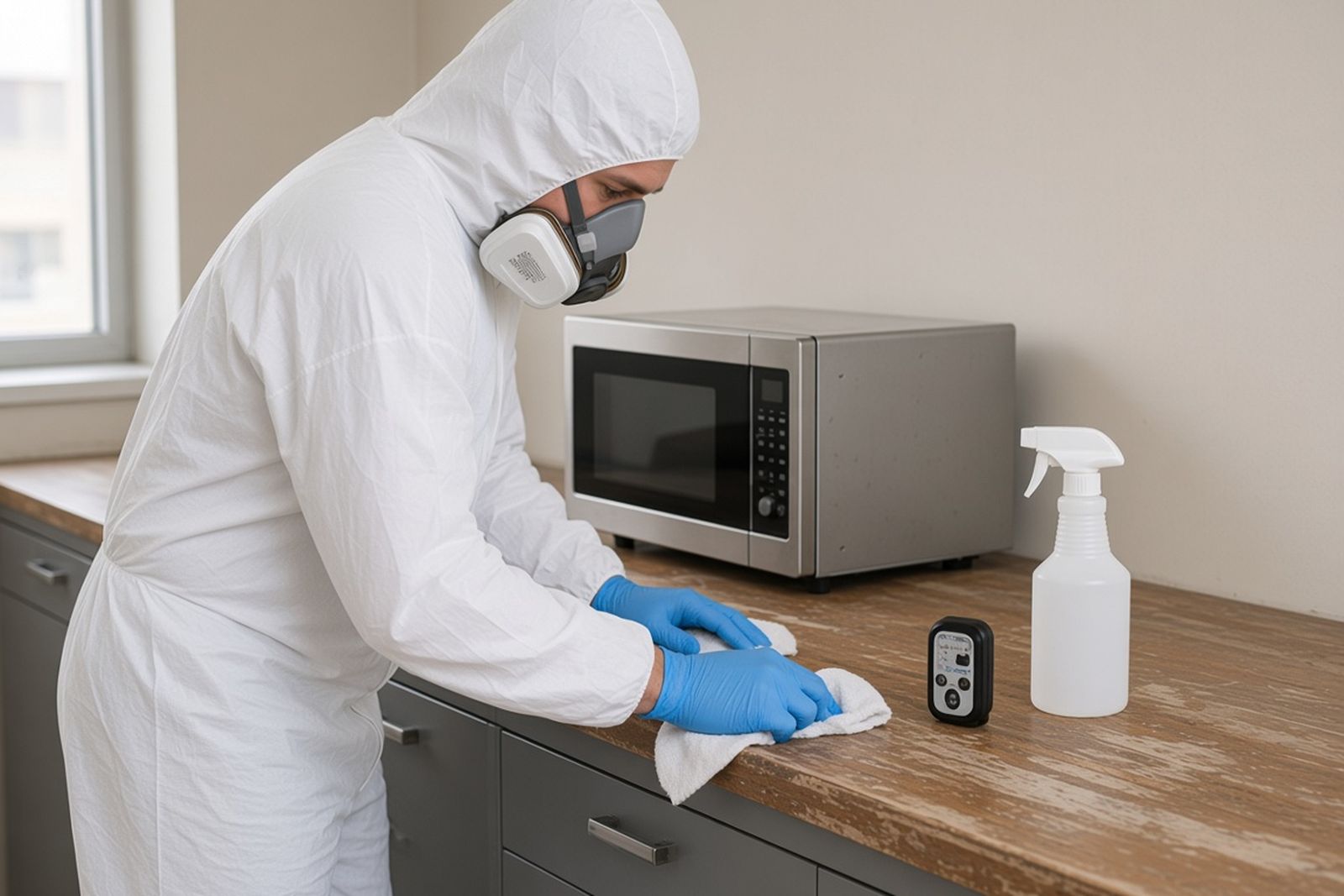
- Protective equipment and containment: jobs with splash or aerosol risk may need more protective gear, negative air or plastic barriers.
- Regulated waste: the volume, packaging and disposal pathway for biohazardous waste.
- Verification and documentation: optional surface testing, photographs, product logs and reports for insurance or facility files.
- Access and timing: stairs, tight spaces, after-hours work and multi-unit buildings add labor.
How does disinfectant contact time affect the bill?
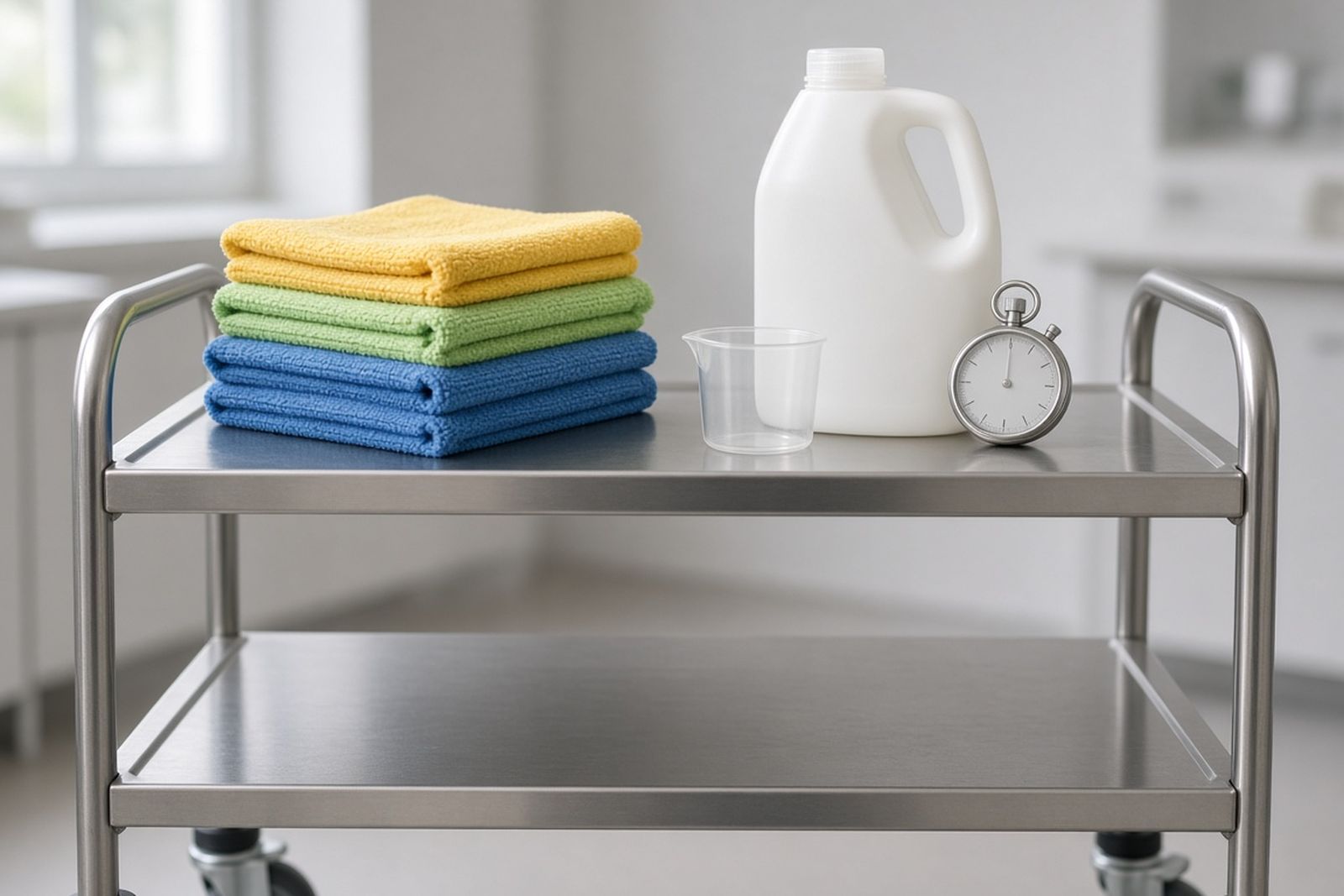
Every registered disinfectant has a label that states the surfaces it is designed for, the organisms it addresses and the contact time, which is how long the surface must stay visibly wet to achieve the claimed result. Some products need a minute; others need considerably longer.
Following those instructions properly takes time. A crew must first remove visible soil, because organic material interferes with many disinfectants, and then apply the product and keep the surface wet for the full period before wiping or rinsing as the label directs.
A quote that seems suspiciously low may assume a quick spray and wipe. Ask which product the provider plans to use and whether its contact time is built into the labor estimate. Paying for correct dwell time is paying for the part of the job that actually addresses pathogens.
What published price ranges tell you
National cost websites can give you a starting point for budgeting, as long as you treat the numbers as broad context. Fixr lists virus and pathogen decontamination projects at $1,500 to $3,500 and sewage backup cleanup at $2,000 to $10,000 per project in its 2025 cost guide.
The same Fixr guide reports medical waste disposal at $2 to $20 per pound as part of biohazard cleanup pricing. That spread shows how much waste volume and disposal pathway can influence the total.
These figures are not quotes, and they do not account for your region, your building or the specifics of your event. A small spill might cost far less, and a large, multi-room backup could exceed the upper figure. Use them to judge whether an estimate is in a plausible neighborhood, then rely on the written scope.
Two quotes for the same bathroom: an illustration
Consider a made-up situation. A property manager receives two quotes to decontaminate a bathroom in an office building after a medical emergency left blood on the tile floor, the base of a vanity and a fabric partition.
The first quote is a single line with a total. The second is several times longer. It lists removal and disposal of the fabric partition as regulated waste, cleaning and disinfection of the tile and grout with a named product and its contact time, inspection under the vanity toe-kick, replacement of a small section of vinyl base, and a closeout report with photographs.
The second quote costs more. When the manager calls the first provider, they learn it did not include the partition, the toe-kick inspection or any documentation. Once those items are added, the two prices are close.
This example is not based on a real job. It shows why comparing line items, not totals, is the most reliable way to judge value.
Line items a good estimate should show
A clear estimate lets you see what you are paying for and helps an insurer or facility manager review the work. Look for the following, adjusted to your situation.
- Assessment and hazard identification, including the rooms and materials inspected.
- Containment and protective measures, with a reason for each.
- Gross soil removal and cleaning before disinfection.
- Disinfectant product names, registration numbers and planned contact times.
- A list of materials to be removed and why they cannot be decontaminated in place.
- Waste packaging, transport and disposal, with how records will be provided.
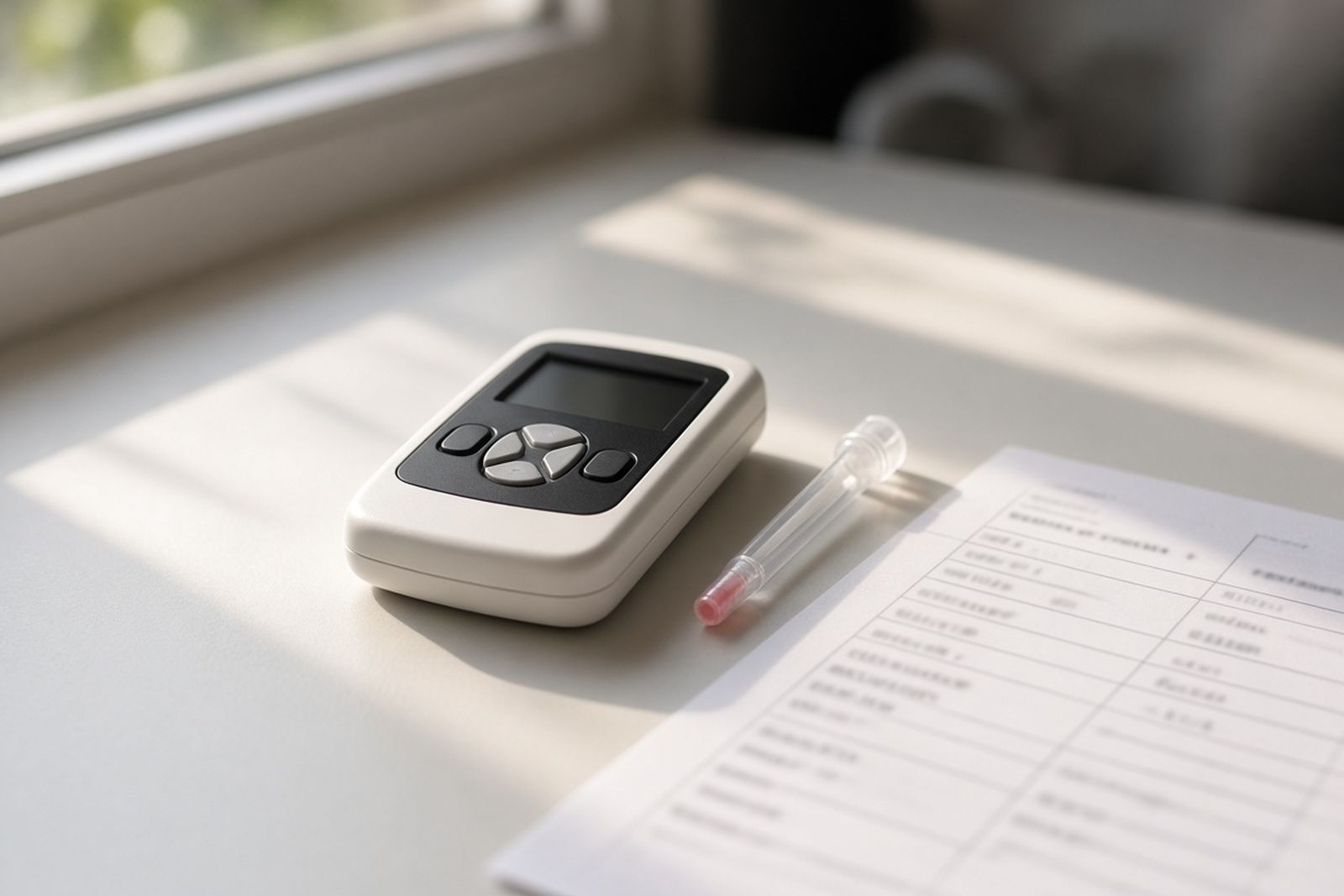
- Any verification method, such as ATP testing on hard surfaces where appropriate.
- Exclusions, such as rebuilding, painting or contents cleaning, and how changes will be approved.
Why the price can rise after work begins
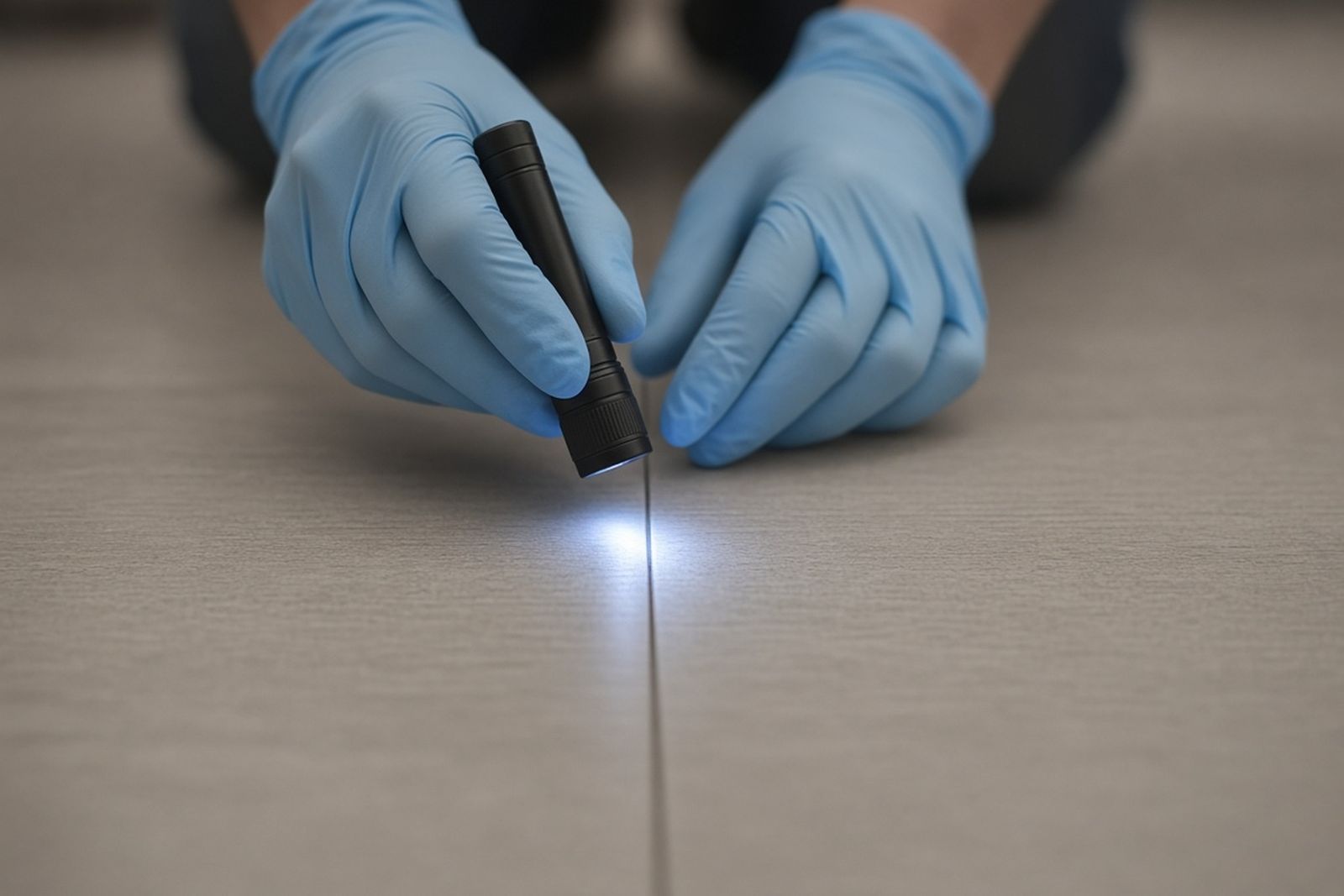
Change orders are common in biohazard work because contamination often travels further than it first appears. Fluid can run along a subfloor seam, wick up the back of drywall or pool beneath cabinets.
A good provider will stop and explain before expanding the scope. They should show you photographs of the newly found contamination, describe what additional work is needed, and give you a revised price in writing before continuing.
You can reduce surprises by asking up front how the provider handles hidden damage, what hourly or unit rates apply to additional work, and whether they will pause for approval. Getting those answers in writing is one of the simplest ways to protect your budget.
Commercial settings and urgent timing
Commercial settings add their own variables. A restaurant, clinic or school may need work scheduled outside operating hours, coordination with building management, and documentation formatted for an internal safety program. Those requirements are legitimate reasons for a higher estimate, but they should appear as named items so you can see what the premium covers.
Timing also plays a role. An urgent weekend response usually costs more than a scheduled weekday visit. If the contamination is contained and no one needs the space immediately, ask whether waiting a day would change the price and whether the delay would allow fluids to spread further.
Can you lower the cost without cutting corners?
There are sensible ways to manage cost that do not compromise safety. Acting quickly helps, because fluids that sit longer tend to migrate into more materials. Keeping people and pets out of the area prevents contamination from being tracked into other rooms.
You can also separate decontamination from rebuilding. Many owners hire a biohazard provider for removal and disinfection, then use a regular contractor for new drywall, paint or flooring. Ask your provider whether they expect that handoff and how they will document the space as ready for it.
What you should not do is try to save money by skipping steps that matter. Scrubbing a stain with household products, running a carpet cleaner over blood or reusing a saturated mattress can spread contamination and add cost later.
Choosing between providers
Price matters, but it should not be the only factor. Choose the provider who can explain how each line item connects to what they observed, who names their products and waste pathways, and who commits to documentation you can use.
Ask about the crew's bloodborne pathogen training, how they handle regulated waste in your area and what their closeout package includes. If you are unsure which waste or licensing rules apply to your property, your state's medical waste program is the place to check.
Finally, ask each provider how and when they expect to be paid. Clear payment terms, including deposits and what happens if insurance pays only part of the bill, belong in the written agreement before work starts.