Short answer
It is normal to feel shaken, numb, anxious or unable to sleep after a biohazard event, whether it involved an injury, an illness or a death. Step back from the scene, let professionals handle the cleanup, lean on people you trust and reach out for support early. If you or someone near you is in crisis, call or text 988 to reach the 988 Suicide and Crisis Lifeline.
Why does a biohazard event affect people so strongly?
Blood and body fluids signal that something went wrong for a person. Even when the event was an accident or an illness, and even when the person survived, the sight can stay with you. When the event involved someone you love, the emotional weight is heavier still.
Many people are surprised by their own reactions. You may feel calm and efficient during the first hours and then fall apart days later. You may feel angry, guilty, numb or oddly detached. You may replay what you saw, avoid the room where it happened or startle at small sounds. These responses are common, and they do not mean something is wrong with you.
Difficult experiences are not rare. In a 2016 World Mental Health Survey analysis, Benjet and colleagues found that 70.4% of respondents reported at least one lifetime traumatic event. Your reaction is part of a very human pattern, and support exists because so many people need it at some point.
Do I need to be present while the cleanup happens?
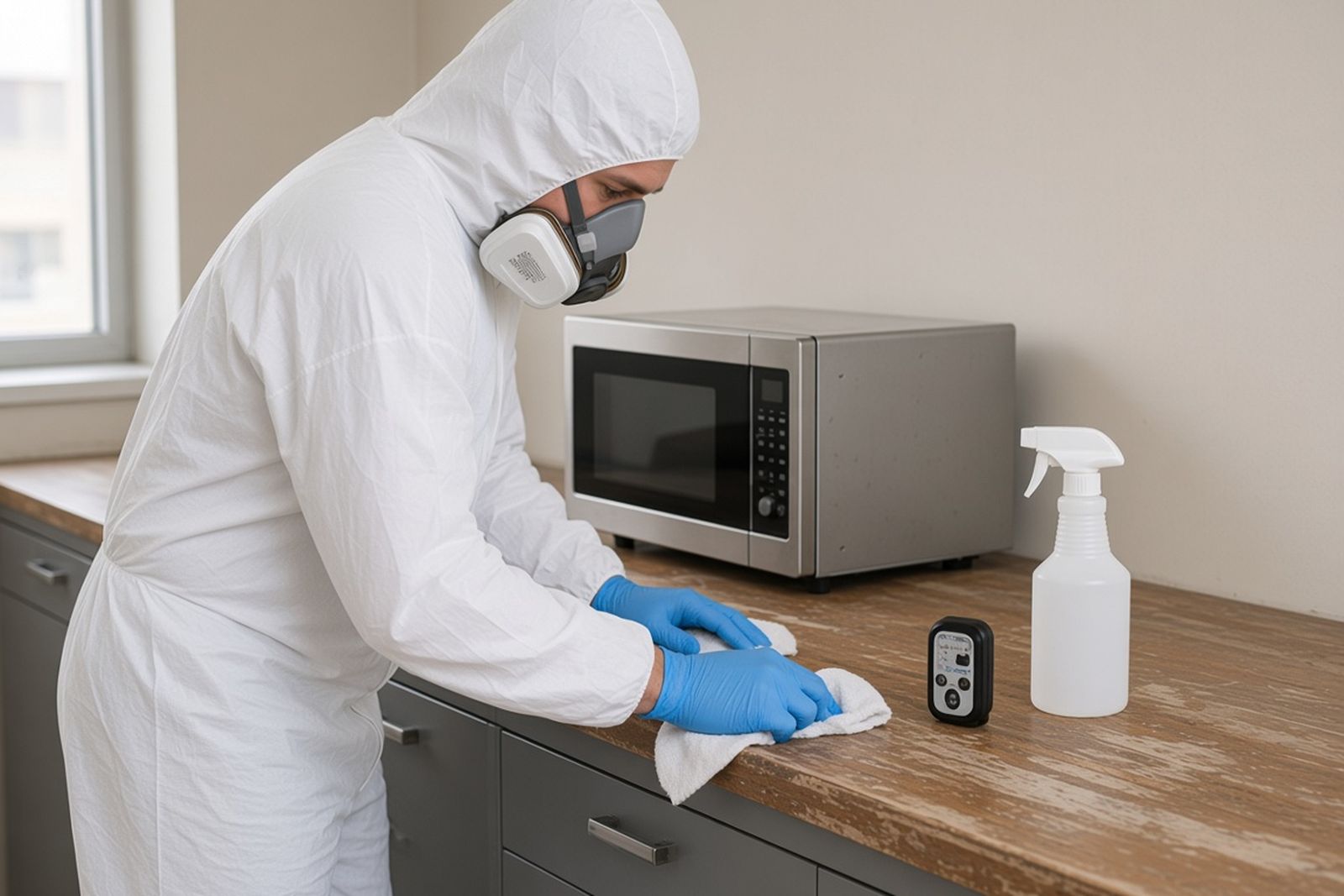
No. One of the most helpful choices you can make is to let a professional team handle the space while you stay somewhere else. A reputable provider can work with a designated contact, share updates by phone and send photographs only if you want them.
Some people prefer to be nearby, perhaps to answer questions about belongings or to feel some sense of control. That is also a valid choice. If you stay, consider waiting in another room or outside, and ask the crew to tell you before they bring anything past you.
Cleaning up after a loved one's injury or death yourself can deepen the trauma, and it carries real infection risks. Handing the job to trained people is not a failure of love or duty. It is a way of protecting yourself so you can focus on the people who need you.
When the work is finished, you can choose how you see the space again. Some people ask the crew lead to walk them through it; others prefer to return with a friend a day or two later. Either way, knowing the room has been properly cleaned can ease some of the dread.
Coping in the first few days
Small, practical steps help more than you might expect. Try to eat something, drink water and rest, even if sleep is broken. Keep phone numbers for a few trusted people close. Let others handle tasks such as calling the insurer or meeting the crew if you can.
Limit how often you return to the affected area until it has been cleaned. If you must go in, bring someone with you. Afterward, do something grounding: step outside, take a shower, talk to a friend, walk around the block.
It is okay to tell people what you need. Some want company; others need quiet. If friends ask how they can help, give them concrete jobs, like picking up groceries, caring for pets or fielding calls.
- Keep a simple routine for meals and sleep, even if it feels mechanical.
- Avoid using alcohol or other substances to numb difficult feelings.
- Write down questions for the provider or insurer so you do not have to hold them in your head.
- Give yourself permission to postpone decisions about belongings.
- Notice who you feel safe with and spend time with them.
When to reach out for professional support
You do not need to wait for things to get worse. Talking to a counselor, therapist, faith leader or your doctor early can help you make sense of what happened and learn ways to manage intrusive memories, anxiety and sleep problems.
Consider reaching out if distress is not easing after a few weeks, if you are avoiding places or people in ways that disrupt your life, if you cannot sleep or concentrate, if you are relying on alcohol or drugs to cope or if you feel hopeless.
If the event involved a death, grief can be long and uneven. The American Psychiatric Association estimated in 2024 that 4% to 15% of bereaved adults experience prolonged grief disorder, which is diagnosable 12 months after a loss. Most people do not develop it, but knowing that persistent, disabling grief is recognized and treatable can make it easier to ask for help.
Pay attention to physical signs as well as emotional ones. Headaches, stomach upset, a racing heart and exhaustion often accompany stress after a frightening event. Mention them to your doctor, who can help rule out other causes and point you toward support.
If you or someone else is thinking about suicide
If you are having thoughts of ending your life, or you are worried about someone else, you can call or text 988 to reach the 988 Suicide and Crisis Lifeline, or use the chat option on its website. It is free and confidential and available at any hour. When a life is at immediate risk, call 911 right away.
The line is widely used and increasingly responsive. A 2025 KFF analysis of 988 Lifeline performance metrics found that about 91% of 988 calls, texts and chats were answered nationally as of May 2025, compared with a 30% disconnection rate before the 988 launch.
If the biohazard event was itself connected to a suicide attempt or death, the people left behind may be at heightened risk. Check in on family members, roommates and coworkers, and do not hesitate to share the 988 number. Asking someone directly whether they are thinking about suicide does not put the idea in their head; it opens the door to help.
Support from employers and property managers
Biohazard events at work or in a rental building affect more than the person directly involved. Coworkers who found an injured colleague, staff who closed off an area or neighbors who heard what happened may all carry some distress.
Employers can remind staff about any employee assistance program, give people time off if they need it and avoid pressuring anyone to help with cleanup. Managers should share only necessary facts and protect the privacy of the person involved.
Property managers can offer affected residents a quiet point of contact, flexible access for retrieving belongings and information about local support services. A short, kind note often means more than any official statement.
Helping children and teenagers who saw or heard what happened
Children notice more than adults expect, even when they did not see the scene directly. They may overhear phone calls, see the crew's vehicles or sense the tension in the house. Their reactions can look different from an adult's: clinginess, stomachaches, trouble sleeping, irritability or questions asked again and again.
Offer simple, honest explanations suited to their age. You might say that someone was hurt, that people are cleaning the room so it is safe and that the family is getting help. Avoid graphic details, and let them ask questions at their own pace. Reassure them that the adults are taking care of things.
Keep routines as steady as you can. School, meals, bedtime and familiar activities give children a sense that the world is still predictable. If a child's distress does not ease after a few weeks, or if they seem stuck on what happened, ask their pediatrician or school counselor for guidance. Teenagers may prefer to talk with a trusted adult outside the family, and that is fine too.
Where to find support
Start with people and services close to you: your primary care doctor, a hospital social worker, a faith community or an employee assistance program. Many communities also offer grief support groups, victim assistance programs and crisis services. Local health departments and 211 information lines can point you to them.
If the event involved a crime, a victim advocate through the police department or prosecutor's office may be able to connect you with counseling and with any compensation programs. Ask the advocate what assistance is available where you live.
Healing tends to move in fits and starts. Some days will feel normal and others will not. Be patient with yourself, and remember that asking for help is a sign of strength, not weakness.