Biohazard Decontamination: Costs & Insurance
Decision-focused information about biohazard decontamination scope variables, estimate comparison, documentation, and policy questions. Coverage depends on the triggering peril, policy language, limits, exclusions, deductible, and carrier review.
This category explains what drives the price of biohazard cleanup and how property insurance may respond. Posts break down the cost factors. These include the type of material, how far it spread, and which soft goods must be removed. They also include sealing off the area, drying machine time, waste type, and checking the work. Other articles look at whether homeowners policies cover different causes. A sudden pipe break is not the same as a slow leak. A sewer backup may need a separate add-on. Posts also explain how to compare low and high bids fairly. Some show how moisture mapping and material testing appear on a bill, and why those lines can grow once walls are opened.
Get an email reply about biohazard decontamination
Send a short message to the follow-up inbox. A coordinator can reply by email. This form does not send emergency help; call 911 first if anyone is in danger.
Cost questions are sharper here because biohazard events differ so much. A blood spill on tile and a sewage loss through a finished basement share a label but little else. Knowing the parts of an estimate lets you put competing bids on equal terms. It helps you spot missing waste or drying lines. It also helps you speak clearly with your adjuster. Remember that only the insurer decides what a policy covers. These posts also show you how to keep photos, moisture logs, product lists, and disposal records in order. That way the file tells a clear story if a claim is reviewed, disputed, or reopened later.
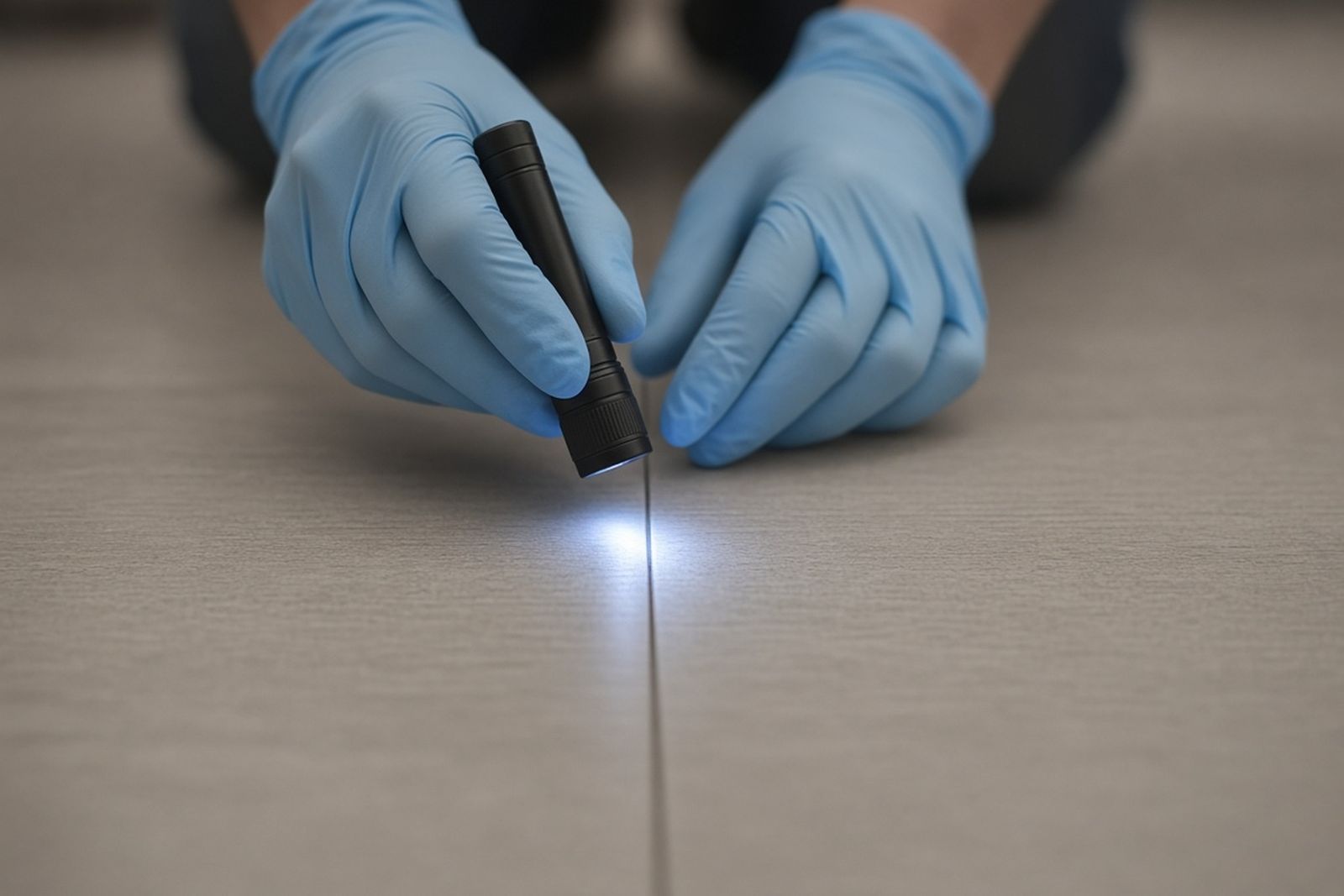
What Drives Biohazard Decontamination Cost?
Soil load, porous materials, disinfectant contact time and regulated waste all move the price of biohazard decontamination. Learn how to read a quote.
Biohazard decontamination cost is driven by what the contamination is, how far it spread, which materials must be removed rather than disinfected, the protective equipment and containment the job requires, how much regulated waste leaves the property, and the verification and records you need. Published ranges help with planning, but only a written, itemized scope for your property tells you the real number.
Does Homeowners Insurance Cover Biohazard Decontamination?
Blood, sewage backups and infectious soils raise different insurance questions. Learn how the cause of loss shapes a biohazard decontamination claim.
Sometimes. A homeowners policy may respond to biohazard decontamination when the contamination flows from a covered cause, such as a sudden accident or a covered water event, and it often will not when the cause is excluded or gradual. Your carrier decides, not the cleanup company. Report promptly, document before work begins, and ask for the coverage position in writing.
How to Compare Low and High Biohazard Decontamination Bids
How to line up low and high biohazard decontamination bids by scope, disinfectant, waste handling, verification and insurance so you compare the same job.
Compare biohazard decontamination bids by putting their scopes side by side, not their totals. Check whether each bid removes porous materials or only cleans surfaces, names an EPA-registered disinfectant with a bloodborne pathogen claim, includes regulated waste disposal, describes containment and verification, and carries workers' compensation. A low bid is only a bargain if it covers the same work as the higher one.
Sourced figures on costs & insurance
- $1,500-$3,500
Fixr lists virus and pathogen decontamination projects at $1,500 to $3,500 and sewage backup cleanup at $2,000 to $10,000 per project.
Read with care: Fixr figures are editorial cost estimates compiled from contractor and industry data, not a statistical survey of completed jobs; local prices vary widely.
Source: Fixr (2025)United States, 2025 cost estimates by biohazard service type
- 34,625
Federal OSHA conducted 34,625 inspections in fiscal 2024, split between 17,455 unprogrammed and 17,170 programmed inspections.
Read with care: Excludes inspections by the 22 state plans covering private employers.
Source: OSHA (2024)United States federal OSHA, FY2024
- 8 hours annually
Workers covered by HAZWOPER must receive eight hours of refresher training every year.
Read with care: Refresher may be shorter if combined with documented equivalent training.
Source: OSHA (2024)United States, 1910.120(e)(8)
These figures are public research and agency data, not this network's own job records. Keep each number with its population, year and limits; none of them predicts cost, timing or outcome at a specific property.
What research has found
Findings from published studies of people and properties in situations like this one. They describe what researchers observed in a specific group; they are not predictions for your case.
The protocols did not permanently eliminate tobacco-smoke residue.
Continued low-level exposure remained possible while residues persisted.
Costs & Insurance: common questions
Does homeowners insurance cover a sewer backup cleanup?
Many standard policies limit or exclude sewer and drain backups unless you added special coverage. Other causes, such as a sudden pipe break, may be treated differently. Read your declarations page. Call your insurer to ask how it views your cause of loss. Take photos and notes of everything before removal begins. Only the insurer can confirm coverage.
Why does one bid include drying equipment and another does not?
Some providers include drying in the cleanup. Others treat it as a separate phase or leave it to a water damage contractor. Without drying, wet framing can grow mold later. Ask each company whether drying, moisture readings, and machine time are included. Compare bids only after you are sure both cover the same work.
Can a workplace exposure event affect costs beyond cleanup?
Yes. Besides the cleanup, an employer may face medical follow-up for exposed workers, lost work time, and record-keeping duties. Workers' compensation and property coverage may apply to different parts of the event. Talk with your insurance agent and safety staff to learn which policy handles which cost. Keep careful records of each cost as it comes up.
Why might two similar incidents cost very different amounts?
Small differences in what the fluid reached, how long it sat, and which materials it soaked into can change the job a great deal. Access, building type, and whether the event happened in a home or business also play a role. Looking at work plans side by side, not just totals, is the best way to see why two jobs that sound alike end up priced differently.
What if I cannot afford the full scope right away?
Tell the provider honestly. Ask which steps must happen now for safety and which can wait. The cleanup itself usually should not be delayed. But rebuilding and some finishing work can often be scheduled later. Ask about payment options, and check whether any insurance applies. Look into community or aid programs that may help in your area.
Should I keep receipts for things I replace myself?
Yes. Receipts for replacement items, a temporary place to stay, meals, and other costs tied to the event can matter. They count if you file an insurance claim or seek help from an aid program. Keep them with photos of the damaged items and notes about what was removed. Even if you are unsure whether a cost is covered, keeping records is easier than rebuilding them later.
Can victim assistance programs help with cleanup costs?
In some states, crime victim payment programs may help with cleanup costs when an event came from a crime. Rules and who qualifies vary, and approval is not guaranteed. Contact your state program, or a victim advocate through local police or a prosecutor's office. Ask what applies to your situation and what papers you would need.
Related community polls
Every count is a real visitor vote; nothing is seeded or padded. One vote per poll per device, and you can change your answer.
When you found a biohazard mess, what was your first instinct?
What would most likely make you hire a provider instead of cleaning up yourself?
More on biohazard decontamination
Biohazard Decontamination services
Learn how pro cleanup handles blood, body fluids, and germs in homes, workplaces, and schools. See each step, from the first visit to checked disinfecting and recorded waste removal.
Costs explained
What drives the price, published cost ranges, and how to read a written quote line by line.
Insurance and payment
Which policies may respond, how to document a claim, and what to do if coverage is denied.
Planning tools
Use checklists and planners that help you judge the hazard, plan the first day, sort waste types, and get ready to talk with providers and insurers.
Community polls
See how other owners and managers made choices about body-fluid messes. Compare their instincts with the sourced advice elsewhere on the site.
Knowledge quiz
Test what you know about spotting hazards, scene release, containing a mess, disinfecting, waste, and records. A short quiz and study guide explain each idea.