Short answer
In biohazard decontamination, cleaning physically removes blood, fluids and organic soil from a surface, while disinfection uses a registered product to kill pathogens left behind. Cleaning must come first, because organic material can shield microorganisms and weaken disinfectants. Disinfection then works only if the product is listed for the relevant organisms and stays wet for its full label contact time.
Aren't cleaning and disinfecting basically the same thing?
In everyday speech the words are often used interchangeably, and many household products are marketed as doing both at once. In biohazard work they are separate steps with separate purposes.
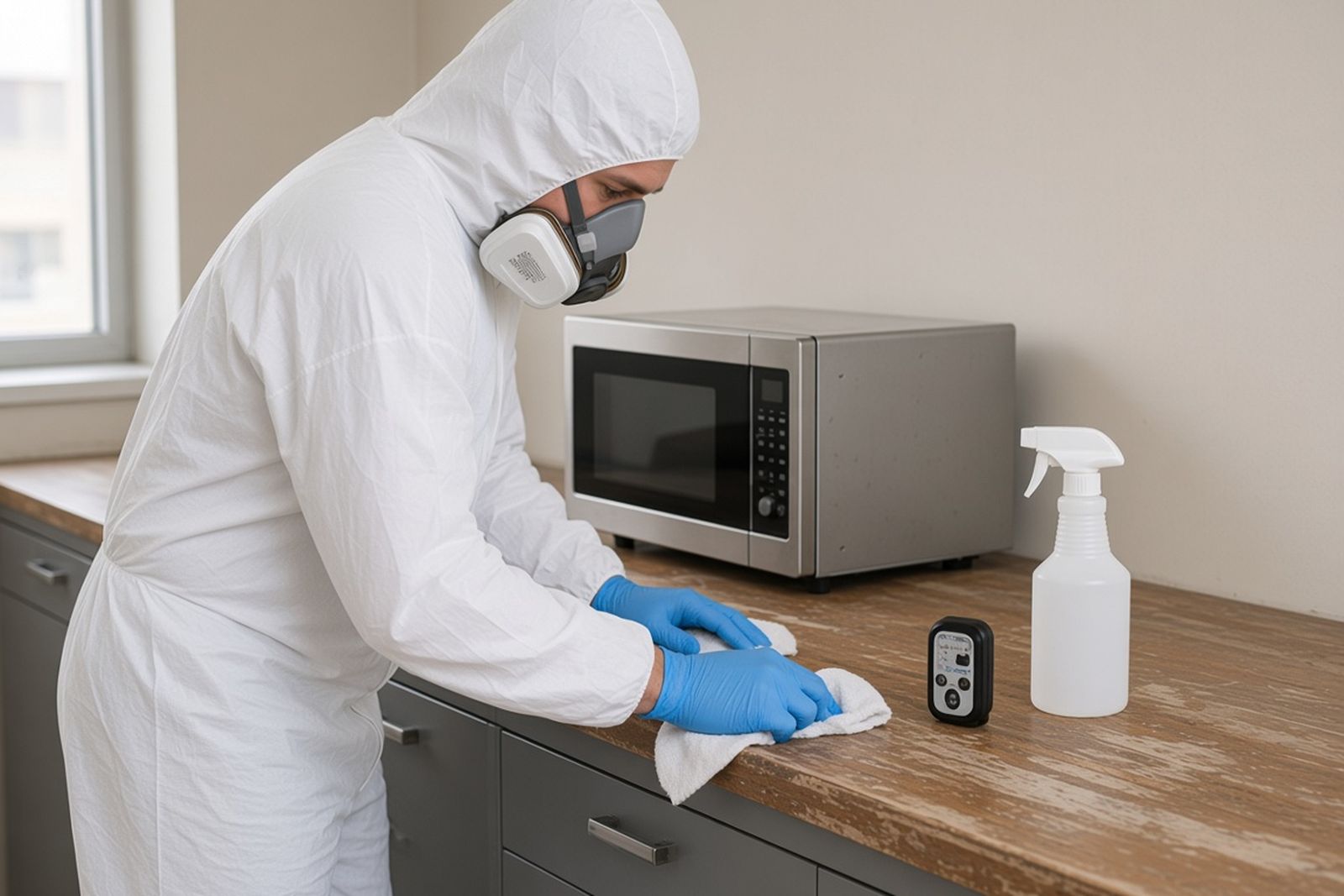
In biohazard terms, cleaning means taking contamination off a surface by physical means. It uses detergent, water, scrubbing and wiping to lift away blood, bodily fluids, dirt and other organic matter. A cleaned surface looks clean, but living microorganisms may still be on it.
Disinfection is the use of a chemical, registered for that purpose, to kill or inactivate microorganisms on a surface. A disinfected surface has had its pathogen load reduced, but only if the product was applied to a surface clean enough for it to work, and only if it stayed in contact long enough.
There is also a third term you may hear: sanitizing. Sanitizers reduce bacteria to levels considered safe by public health standards, often on food-contact surfaces, but they are not designed to handle the bloodborne pathogens that biohazard jobs usually involve.
Why does cleaning have to come before disinfection?
Blood and bodily fluids contain proteins, fats and cells. When those materials sit on a surface, they form a layer that can physically shield microorganisms underneath. Many disinfectants also react with organic matter, which uses up some of their active ingredient before it reaches the pathogens.
In practice, that means spraying disinfectant directly onto dried blood is unreliable. The product may kill organisms on the outer layer while those beneath survive. A crew that skips cleaning, or does it poorly, can follow the disinfectant label perfectly and still leave a surface that is not safe.
That is why professional biohazard work typically follows a sequence: remove gross contamination and porous materials that cannot be saved, clean remaining surfaces with detergent, rinse where needed, and only then apply disinfectant. Some product labels allow a one-step approach for lightly soiled surfaces, but heavily contaminated areas almost always need a separate cleaning step first.
The order matters within cleaning as well. Crews generally work from cleaner areas toward dirtier ones and from higher surfaces down to lower ones, so that drips and debris do not recontaminate areas already finished. Tools and wipes are changed often, because a cloth that has picked up blood can spread it to the next surface it touches.
How long bloodborne pathogens survive on an untreated surface
Longer than many people expect. In a laboratory study published in the Journal of Infectious Diseases in 2014, Paintsil and colleagues found that hepatitis C virus in dried blood remained infectious for up to 6 weeks at 4°C and 22°C, which is roughly room temperature.
That finding matters for property owners because blood is often not discovered right away. A stain on a floor or wall may sit for days or weeks before anyone addresses it. Once it has dried, it can look harmless even though infectious virus may remain.
The same study offers a reminder about product choice. It found that a 1:10 bleach dilution eliminated infectious hepatitis C virus from dried blood spots after one minute, whereas 70 percent ethanol left 13 percent of spots infectious. Not every product works equally well on every organism or surface, which is why professionals rely on registered disinfectants and their labels rather than guesswork.
Contact time, and why crews talk about it so much
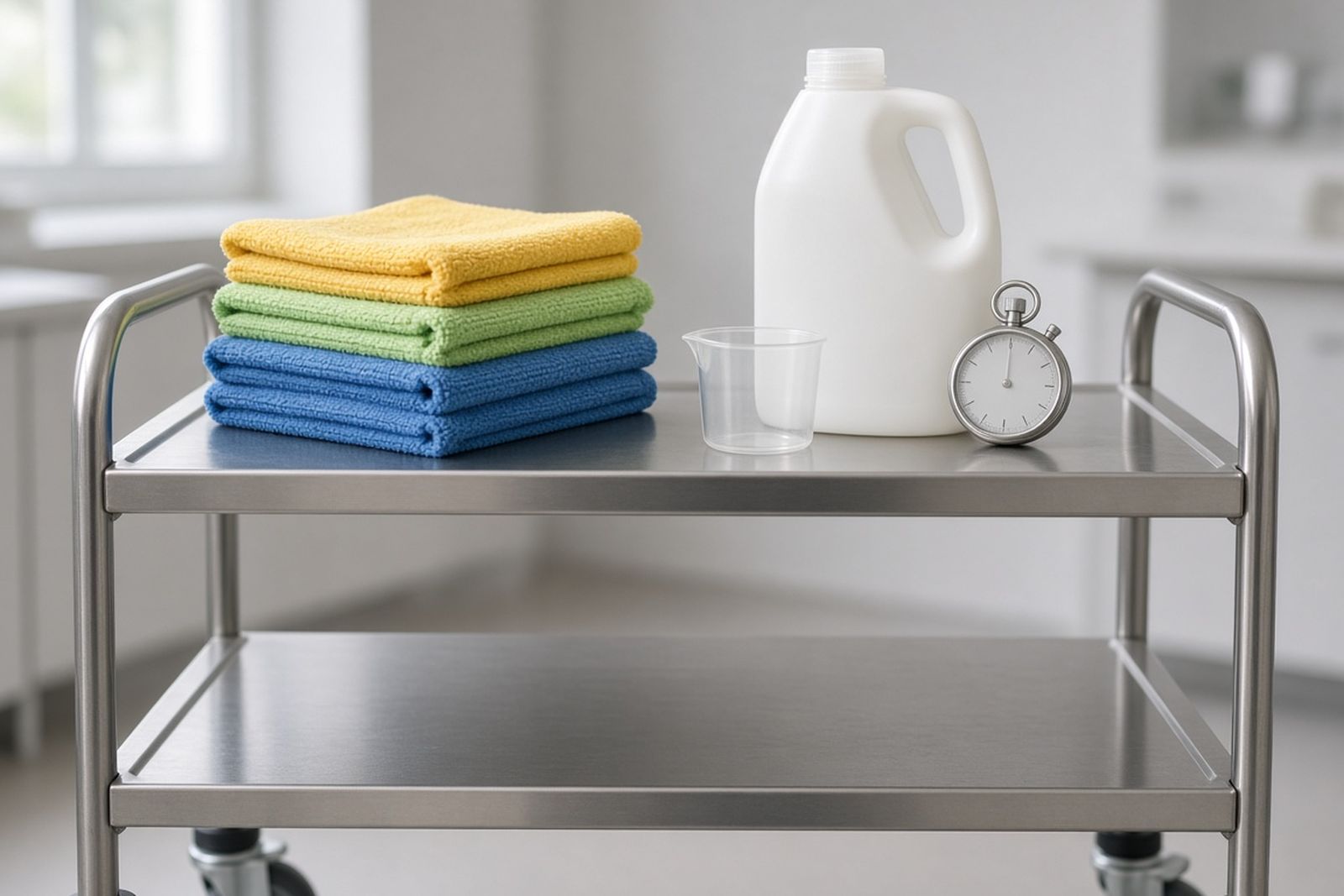
Contact time, also called dwell time, is the period a disinfectant must remain wet on a surface to achieve the kill claims on its label. It varies from product to product and sometimes from organism to organism on the same label.
If a surface dries before the contact time is reached, the product may not have finished working. Wiping too soon has the same effect. For that reason, crews often reapply product to keep large or vertical surfaces wet, and they plan the order of work so that each area gets its full contact time.
When you talk with a biohazard company, ask which product it will use and what the contact time is. A clear answer shows that the crew is planning around the label rather than simply spraying and wiping.
Temperature, humidity and surface type can also affect how quickly a product dries. A warm, dry room or a porous grout line may dry faster than expected, which is another reason trained crews check surfaces during the contact period rather than walking away.
Materials that cannot be cleaned or disinfected
Some materials cannot be reliably cleaned or disinfected once blood or bodily fluids have soaked into them. Carpet pad, upholstered cushions, mattresses, unsealed wood, ceiling tiles and some drywall are common examples.
In those cases, the right answer is removal rather than treatment. The material is cut out, packaged as waste according to applicable rules, and the surface underneath is cleaned and disinfected. The state agency that oversees medical waste can tell you how that material must be handled where you are.
Removal also has an emotional side. Owners sometimes hope that a favorite chair or rug can be saved. A good crew will explain honestly why an item cannot be decontaminated, show you the extent of absorption if you want to see it and give you time to decide about anything with personal meaning.
Common decisions crews make, depending on the extent of contamination, include:
- Removing saturated carpet and pad, then cleaning and disinfecting the subfloor.
- Discarding soaked mattresses and upholstered furniture.
- Cutting out drywall where fluid has wicked into the paper and gypsum.
- Cleaning and disinfecting hard, nonporous surfaces such as tile, sealed stone, metal and glass.
- Evaluating sealed wood floors and baseboards case by case, sometimes removing boards if fluid reached the seams.
- Setting aside personal items for owner review before any disposal.
Can biofilms make disinfection harder?
Yes. Biofilms are communities of microorganisms that attach to a surface and surround themselves with a protective matrix. They are best known in wet environments such as drains, but they can also form on surfaces that seem dry.
Awareness of this issue is still growing, even among professionals. In a 2024 survey of healthcare professionals by Centeleghe and colleagues, 87.6 percent had heard of biofilms, but only 39.1 percent knew of dry-surface biofilms.
For property owners, the practical implication is that physical cleaning matters even more than it seems. Scrubbing and detergent action help break up films that chemical disinfectants alone may not penetrate. A crew that relies only on spraying or fogging is skipping the step most likely to address them.
Two approaches to the same kitchen: an example
To make the contrast concrete, consider a made-up kitchen. A homeowner cuts his hand badly while cooking and bleeds across a tile floor, a laminate counter and a fabric-covered chair before getting to the hospital. His sister arrives two days later to help.
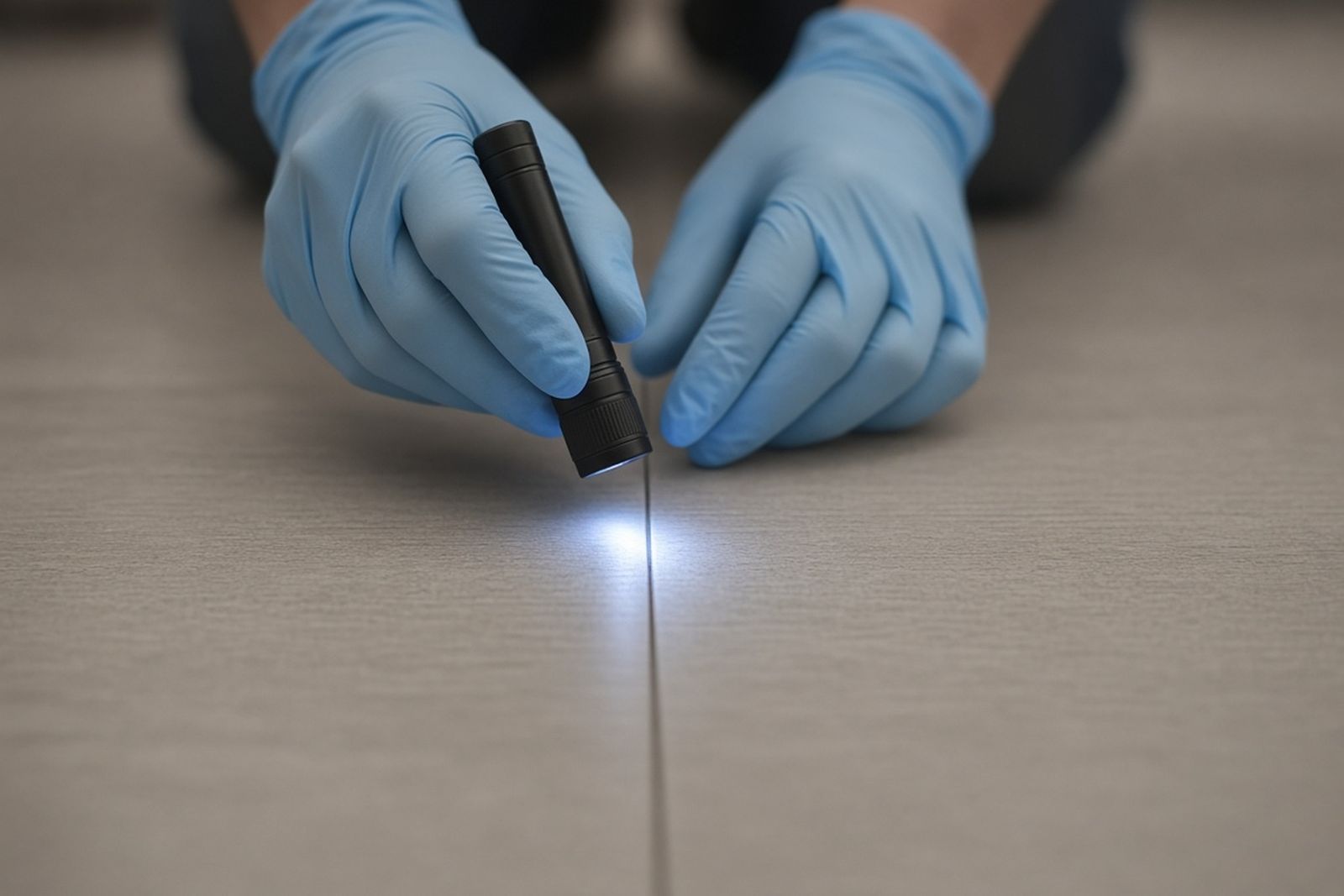
Her first instinct is to spray a household disinfectant over everything and wipe it off right away. The tile looks clean. Dried blood is still visible in the grout lines and on the chair seat.
Instead, she calls a biohazard decontamination company. The crew removes the chair cushion for disposal, cleans the tile, grout and counter with detergent and scrub brushes, rinses, then applies a registered disinfectant listed for bloodborne pathogens and keeps surfaces wet for the label contact time. They document the product, contact time and waste handling in a short report.
Both approaches leave a kitchen that looks similar. Only the second follows the cleaning-then-disinfecting sequence that makes the result dependable.
Foggers, UV lights and ozone do not replace these steps
Foggers, electrostatic sprayers, ultraviolet devices and ozone generators are sometimes promoted as complete solutions. At best, they are supporting tools used after physical cleaning and targeted disinfection.
None of these technologies removes dried blood or organic soil from a surface. UV light cannot reach shadowed areas or penetrate residue. Fogging disperses product widely but may not keep every surface wet for the required contact time. Ozone is not a registered surface disinfectant in the way a labeled liquid product is, and it can damage materials and harm people and pets if misused.
If a company's plan relies mainly on one of these devices, ask how it handles cleaning, which registered product it applies directly to surfaces and how it confirms contact time. A plan without those answers is relying on a gadget to do work that only hands and chemistry can do.
How can you tell whether both steps were done properly?
You usually cannot tell by looking, since both a disinfected surface and a merely cleaned one can look the same. Instead, rely on the process and the records.
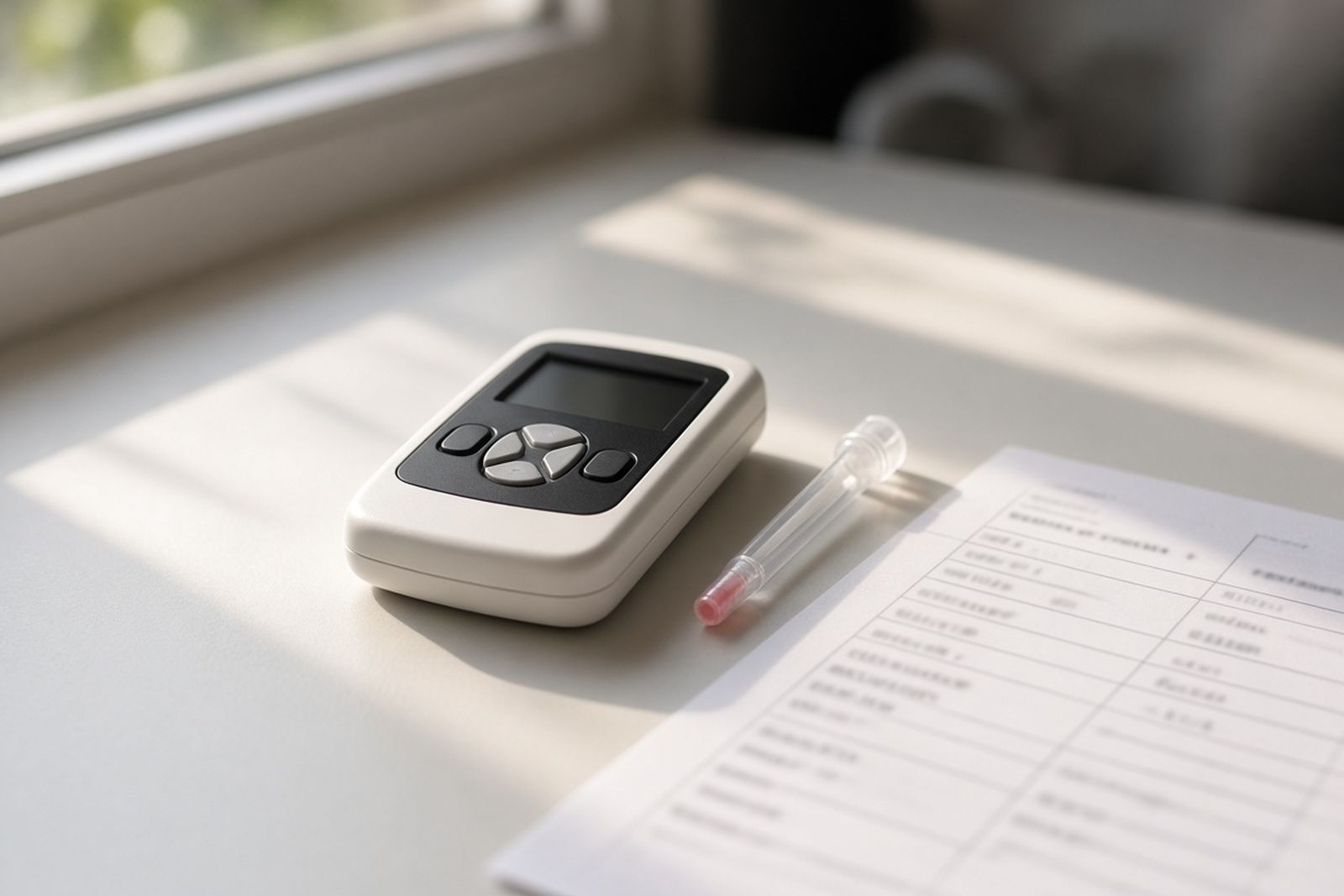
Ask for a written summary that describes which areas were cleaned, which materials were removed, which product was used for disinfection and its contact time, and how waste was handled. Photographs before and after help too.
If you have concerns about health risks after an exposure, particularly if someone touched blood with broken skin or got it in the eyes, contact a doctor or your local health department. Cleanup addresses the property; medical advice addresses the people.