Short answer
ATP testing measures adenosine triphosphate, a molecule found in living cells and many organic residues, including blood and body fluids. After biohazard decontamination, a low reading suggests a surface is physically clean. It does not prove pathogens are gone, it does not identify organisms and it can be skewed by some chemicals. Treat it as one cleanliness check alongside visual inspection and a documented disinfection process.
What an ATP swab measures, and why crews use it
ATP stands for adenosine triphosphate, a molecule that cells use to store and move energy. It is present in human cells, in bacteria and fungi and in many foods and other organic materials. When cells break down, some ATP remains in the residue they leave behind.
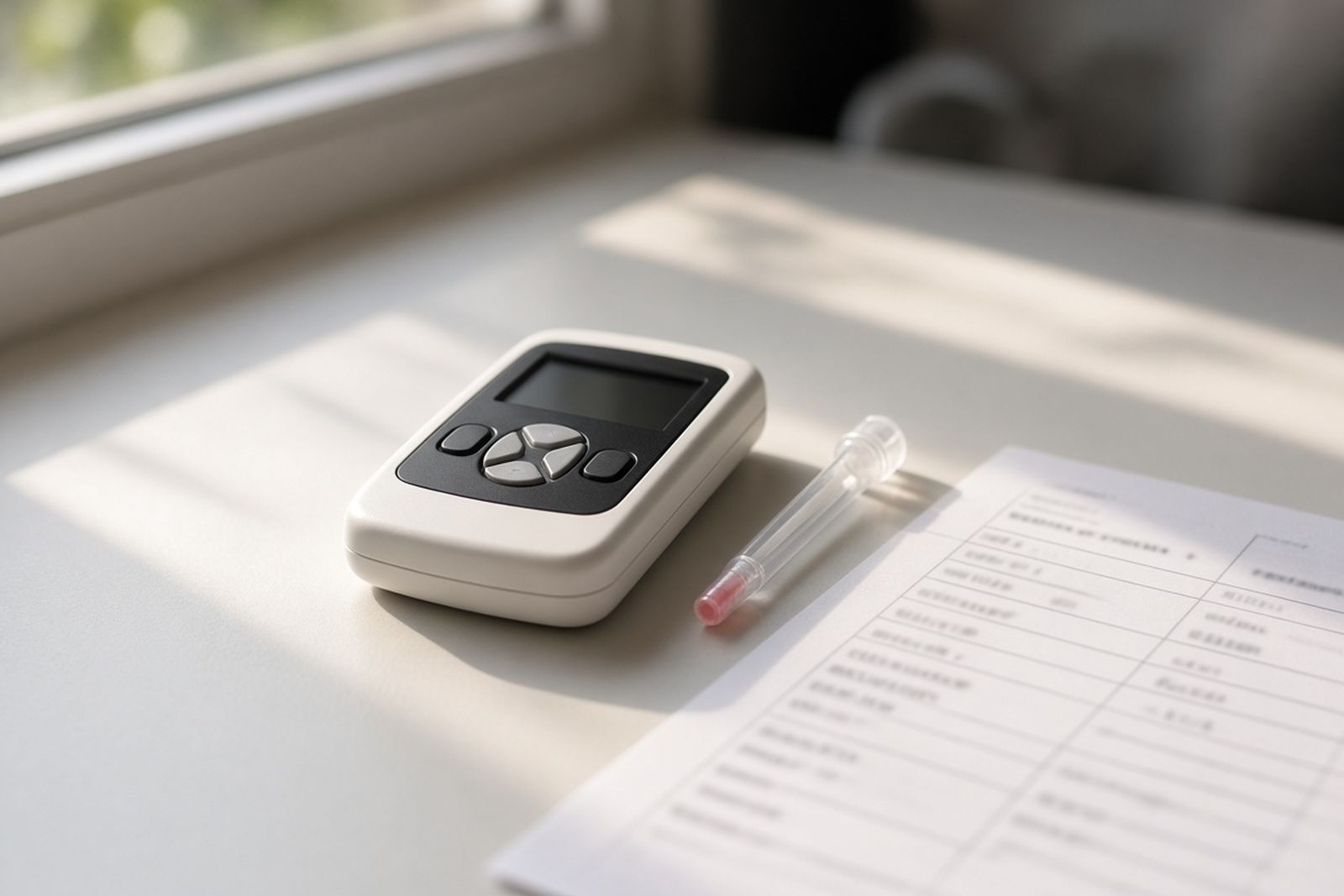
An ATP test uses a swab that contains a reagent capable of producing light when it contacts ATP. The technician swabs a defined area, places the swab in a handheld luminometer and reads a number, usually expressed in relative light units. More light means more ATP on the swab, which usually means more organic residue on the surface.
That is the whole story of what the test does. It measures a chemical signal linked to organic matter. It does not count bacteria, detect viruses or tell you whether anything on the surface could make someone sick.
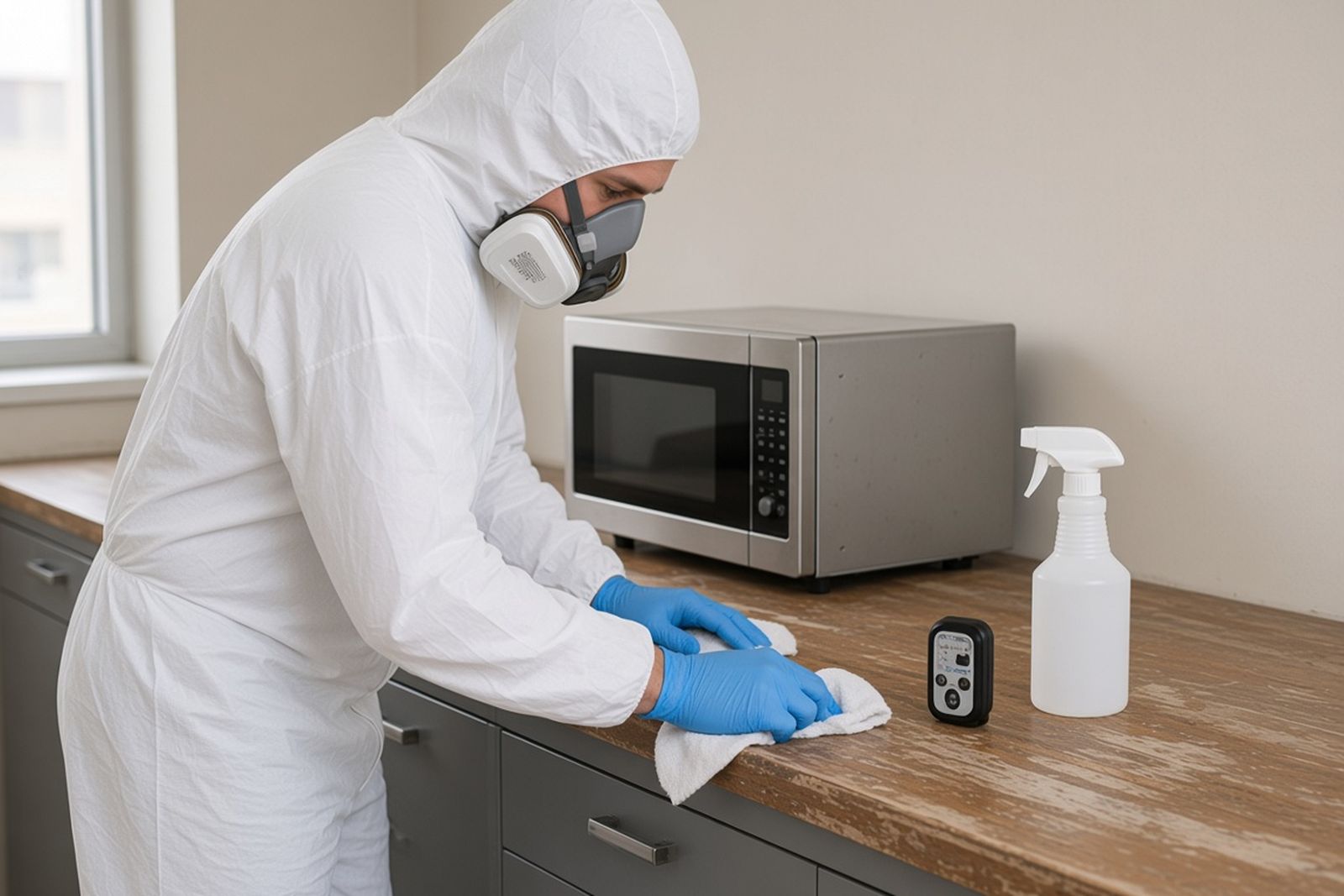
Blood, tissue, vomit and similar materials are rich in organic matter. When those materials are not fully removed, they can shield microorganisms and interfere with disinfectants. A surface that still carries a thin film of dried blood is not ready for disinfection, even if it looks clean to the eye.
ATP testing gives the crew a quick way to check whether cleaning has removed that film before the disinfectant step. A high reading on a countertop that looks spotless tells the technician to clean again. A low reading supports moving forward.
Some providers also use ATP readings after the full process as part of their closeout documentation. That can be useful, as long as everyone understands the number describes cleanliness rather than sterility.
For you as a client, the main benefit is transparency. A provider who swabs a few surfaces in front of you and records the readings is showing work you can see, rather than asking you to trust a statement that everything is fine.
What can ATP testing not tell you?
It is worth being direct about the limits, because the tool is sometimes marketed as proof of safety.
- It cannot confirm that bloodborne viruses such as hepatitis B, hepatitis C or HIV are absent. Viruses do not carry their own ATP.
- It does not identify organisms, so it cannot tell you whether a surface is contaminated with anything harmful in particular.
- It does not measure residue that is not organic, such as some chemical films.
- It only reflects the small area swabbed, so a clean reading on one spot says nothing about the next spot over.
- It does not show that a disinfectant was applied correctly or left wet for its full contact time.
- Readings from different manufacturers' devices are not directly comparable, so a pass number from one brand means little on another.
Why viruses do not show up on an ATP swab
The pathogens most often discussed in blood cleanup are viruses. CDC states that hepatitis B virus remains infectious for at least 7 days on environmental surfaces, in its 2024 clinical overview.
Viruses rely on host cells for energy, so they do not contribute their own ATP to a swab. An ATP reading picks up the blood or tissue around them, not the virus itself. That is why the test works as a proxy for how well the organic material was removed, and why it cannot stand in for a properly executed disinfection step.
The practical takeaway is that ATP testing and disinfection answer two different questions. The swab asks whether the soil is gone. The disinfectant, used according to its label on a cleaned surface, addresses the organisms that may remain.
Can cleaning chemicals throw off ATP readings?
Yes. Some disinfectants and detergents can suppress the light reaction and produce readings that are artificially low. Others, or residues from certain products, can raise background readings. Manufacturers of ATP systems typically publish guidance on which chemistries interfere with their reagents.
Timing matters, too. A surface swabbed while still wet with disinfectant may read differently from one swabbed after it has dried and been rinsed where the label calls for it. A careful provider follows a consistent protocol so readings are comparable from one job to the next.
If a provider reports ATP numbers, ask when the swabs were taken relative to cleaning and disinfection, which device and swab type they used and what threshold they treat as acceptable. Those answers tell you whether the numbers mean anything.
Where swabs should be taken
Location choice decides whether readings are useful. Swabbing the middle of a freshly wiped countertop will almost always look good. The informative spots are the ones where fluid is most likely to linger after cleaning.
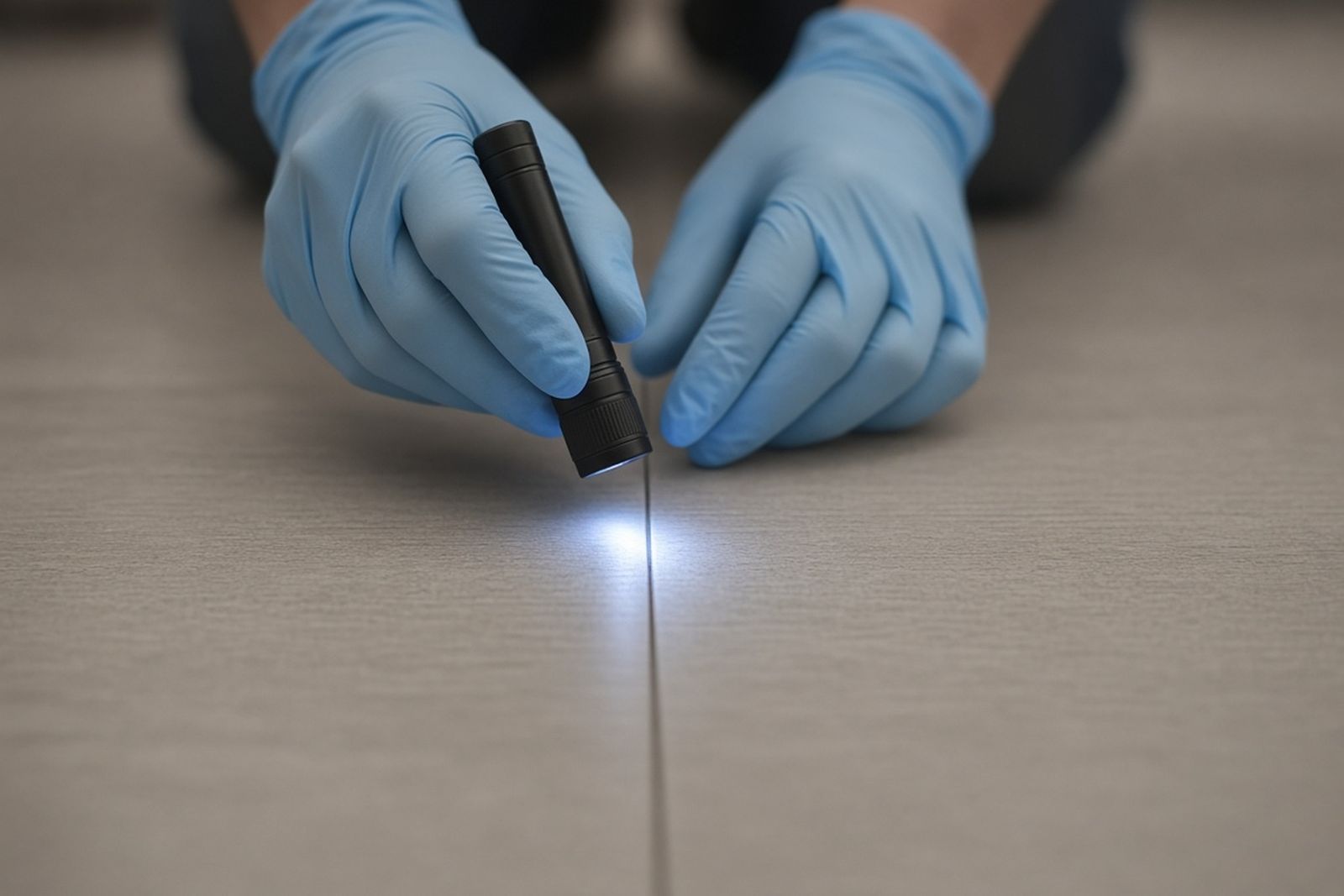
Experienced technicians tend to focus on seams, edges and textures: grout lines, caulk beads, the underside of a counter lip, door hardware, switch plates, cabinet pulls and the joint where flooring meets a wall or fixture. These are the places where dried material hides from a quick wipe and where hands touch most often once a room is back in use.
A consistent approach helps. Using a template of a set size, swabbing each location the same way and recording a before-cleaning reading on at least one spot gives context to the after reading. A drop from a high number to a low one is more meaningful than a single low number with nothing to compare it to.
Readings taken before disinfection can change the plan. On a bathroom job, the tile and vanity may read low after cleaning while a grout line reads noticeably higher and a raw-wood baseboard higher still. Grout can be recleaned with a brush and swabbed again. Raw wood that still reads high after a second cleaning is often better removed, with the owner's approval, before any disinfectant goes on.
Should you ask your provider for ATP testing?
It is a reasonable request, especially for jobs involving hard surfaces where residue could hide in texture, seams or grout. It can be particularly helpful when multiple people will use the space soon, such as in a rental unit, workplace restroom or vehicle interior.
It is less useful for porous materials that will be removed anyway, since there is no point measuring carpet that is heading to disposal. It is also not a substitute for the steps that actually protect people: thorough cleaning, removal of materials that cannot be decontaminated, correct disinfectant use and proper waste handling.
If a provider does not use ATP testing, that alone is not a red flag. Ask how they confirm cleaning before disinfection instead. A clear, consistent answer is more important than any particular device.
ATP results in your closeout records
If testing is part of the job, the record should say where each swab was taken, when it was taken, the reading and the threshold the provider used. It should also name the device so a later reader knows which scale applies.
If you are not sure whether a reading is good or bad, ask the technician to show you the device's pass range and explain where your numbers fall. A clear explanation on site is worth more than a column of figures sent days later.
The record should not claim that a surface is sterile, pathogen-free or safe on the basis of ATP alone. Language like that overstates what the test can support. A more accurate statement is that surfaces were cleaned, verified to the provider's cleanliness threshold and then disinfected according to label directions.
Keep these records with your invoice, product information and waste documentation. If you are a landlord, employer or facility manager, that combined file is what you would show an insurer, an inspector or a concerned occupant. If you manage a licensed facility, ask the licensing agency whether it expects specific documentation.
Finally, remember that numbers are only part of the picture. Your own walkthrough, the provider's explanation of what was removed and why, and your comfort with the answers all count. A good provider welcomes those questions.